McDonald’s is betting $8.5 billion that the next era of growth will come less from more customers and more from a radically more efficient restaurant system.
McDonald’s Investor Day Plans $8.5 Billion Upgrade
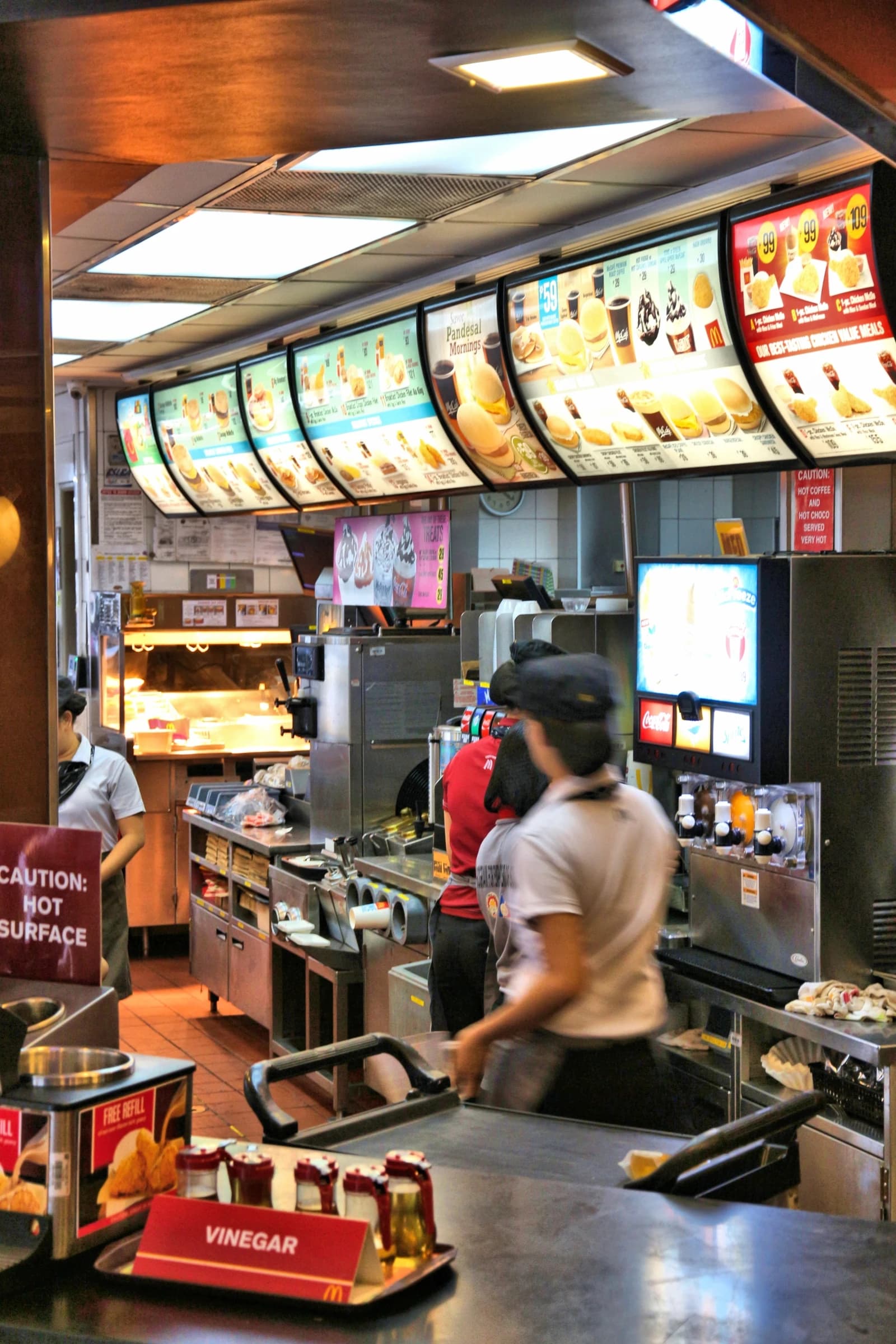
That is the real story behind Wednesday’s investor day announcement: the world’s biggest burger chain is trying to turn its scale into an advantage again as fast-food traffic flattens in key markets, especially the U.S., and consumers remain pinched by stubborn cost-of-living pressure. The plan matters because it is not just a remodel cycle. It is a full operating reset built around automation, AI, kitchen redesign and menu engineering, with McDonald’s aiming to protect share while squeezing more output from its 46,000-unit global footprint.
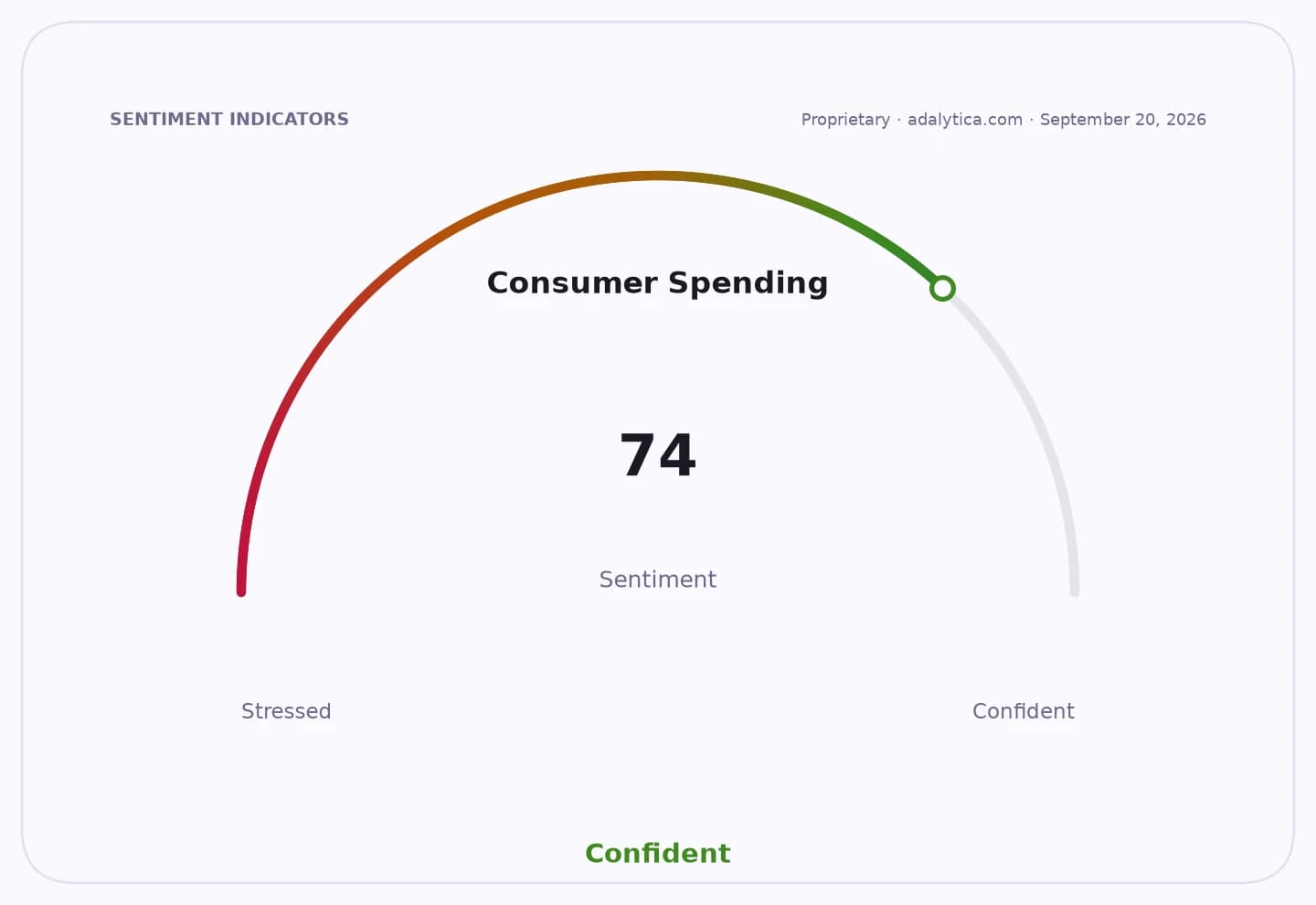
Sentiment IndicatorsⓘProprietary · adalytica.com · September 28, 2026
This is a snapshot — live sentiment, awareness and momentum for 130+ markets update continuously in the dashboard.Open AlphaPulse
Investors sold the stock anyway, sending shares down 5% in afternoon trading, the biggest one-day drop in six years. That reaction makes sense in the short term: the market is hearing a massive capital bill, more spending for franchisees and a longer payback period. But the bigger message is that McDonald’s is leaning into the same structural pressures that are reshaping the entire restaurant industry — labor scarcity, delivery complexity, digital ordering and consumers demanding more value for every dollar.
Chief Executive Chris Kempczinski said the company has to “grab share from competitors and improve restaurant productivity” because traffic is not doing the heavy lifting anymore. That is the key investment thesis here. In a low-growth dining market, the winners will be the chains that can create demand and serve it more efficiently, not the ones relying on menu inflation alone. McDonald’s is trying to widen that gap with tools that should lift throughput, accuracy and margins over time.
The company is already rolling out its ArchIQ system, built with Google, to improve order accuracy and automate inventory and scheduling. Its Archy drive-thru ordering system can now take orders in English and Spanish with 90% accuracy, and management says it could eventually save at least 50 labor hours a week at a typical restaurant. McDonald’s insists the point is not to cut staff but to redeploy workers toward hospitality and kitchen execution, including hand-breaded chicken prep and service quality. That is exactly the kind of productivity gain investors should want in a wage-pressured industry.
The menu strategy is just as important as the technology. McDonald’s says hand-breaded chicken has lifted sales and quality ratings in tests, and it plans to broaden the rollout to more U.S. and Irish markets next year. It is also preparing grilled chicken sandwiches, wraps, egg bites and bowls to appeal to customers who want more protein and smaller portions, a nod to shifting eating habits and the rise of GLP-1 weight-loss drugs. The company says 30 million Americans are now using those medications, while 60 million are actively seeking more protein. That creates a clear opening for a chain that can combine value with higher-protein, lower-friction menu innovation.
The economics of the remodel plan are straightforward. U.S. franchisees typically spend up to $450,000 per decade on required upgrades, and McDonald’s says the new program adds another $800,000 over time, partly offset by rent relief and capital support. In return, the company says the changes should generate about $100,000 in annual cash flow benefits for the average U.S. restaurant. That is the kind of payback profile that can support a long runway of reinvestment — but only if traffic and execution hold up.
That is why this announcement matters far beyond McDonald’s. It reinforces the case for “picks and shovels” winners in restaurant technology, kitchen equipment, automation and digital ordering infrastructure, while reminding investors that not all consumer brands will keep pace with a more demanding operating environment. The companies that can turn labor into leverage and footprint into throughput should emerge stronger. Those that cannot will face margin pressure and share loss.
For McDonald’s, the next catalyst is whether these investments translate into cleaner same-store sales, better restaurant-level cash flow and steadier traffic without eroding value perception. If management is right, this is not a defensive spending spree. It is a compounding machine being rebuilt for the next decade. Investors should watch the rollout closely — because in a flat traffic world, productivity is the new growth.
| Entity | Gains | Losses |
|---|---|---|
| McDonald’s | ▲Higher efficiency; share gains | ▼Near-term margin pressure |
| Franchisees | ▲More cash flow over time | ▼Upfront remodel burden |
| Restaurant tech suppliers | ▲AI and automation demand | ▼— |
| Labor-intensive rivals | ▲— | ▼Relative productivity gap |