Thanksgiving dinner in Canada is expected to cost about 10% more in 2026, a fresh sign that food inflation is still squeezing household budgets even after broader price pressures have eased.
Canada Thanksgiving dinner costs seen up 10% in 2026
The driver is not one item but a spread of higher input costs across the food chain, with poultry and pork under particular pressure. That matters because Thanksgiving is a highly visible spending moment for Canadian consumers and a useful read-through on where grocery inflation is headed into the winter shopping season.
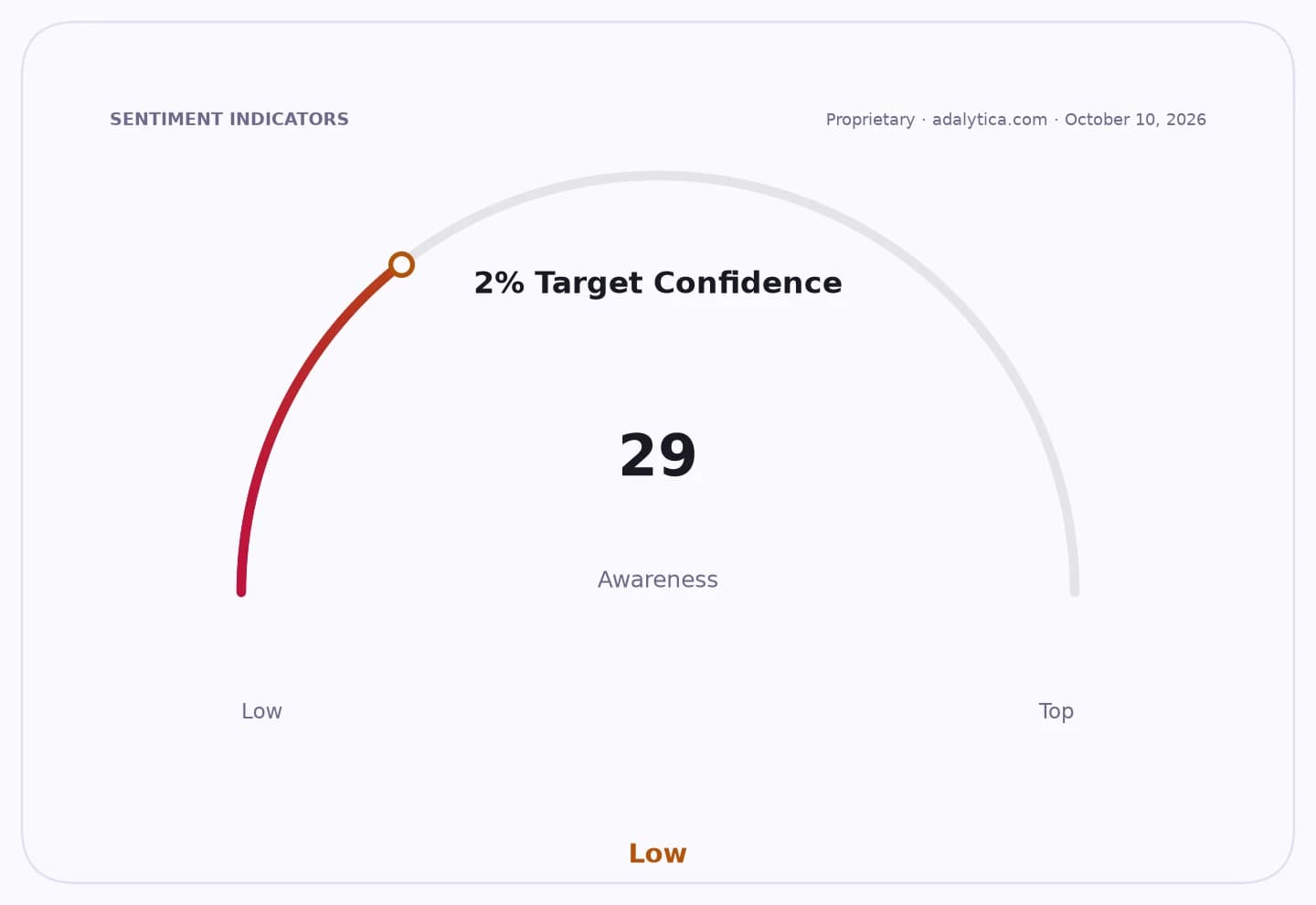
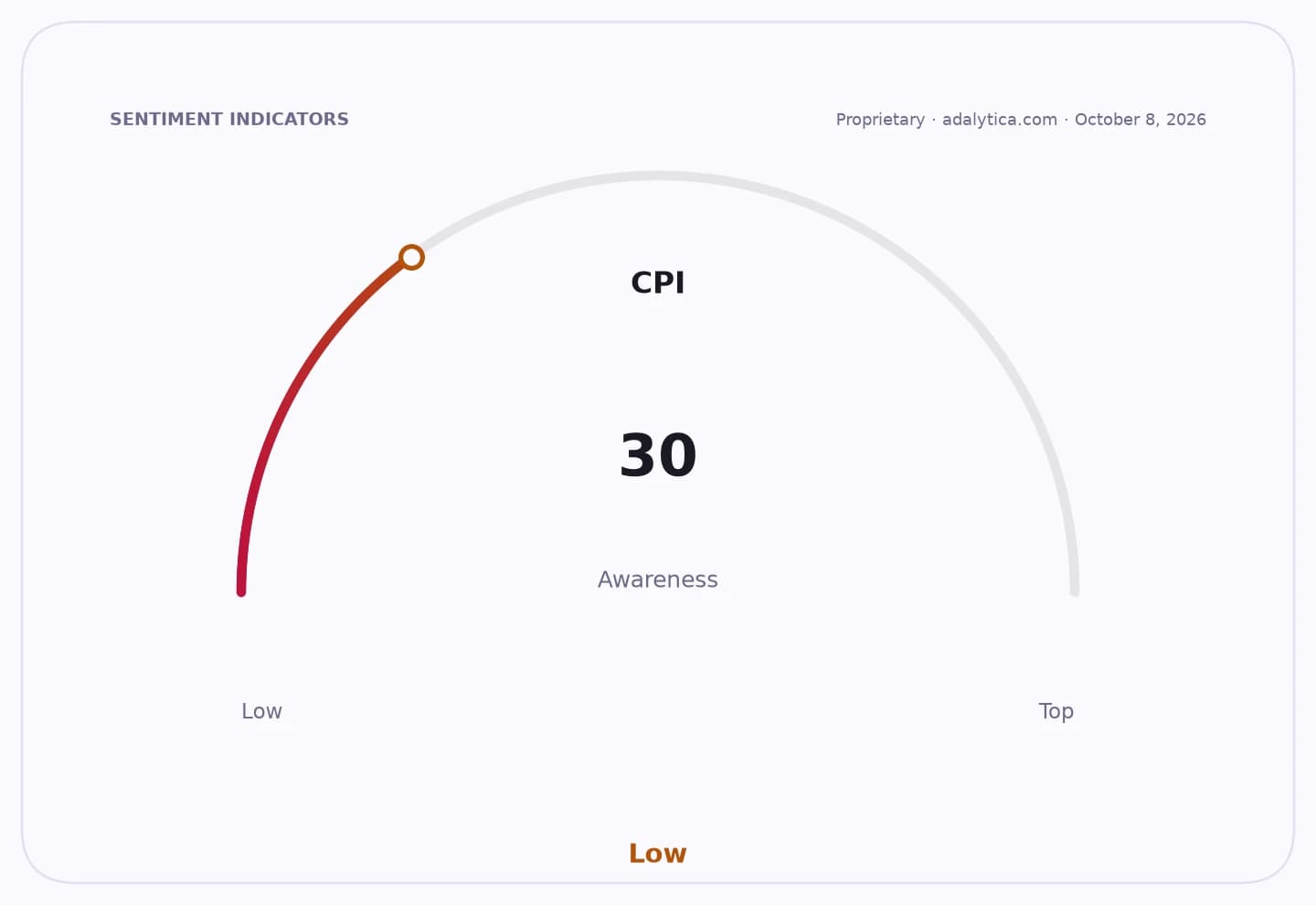
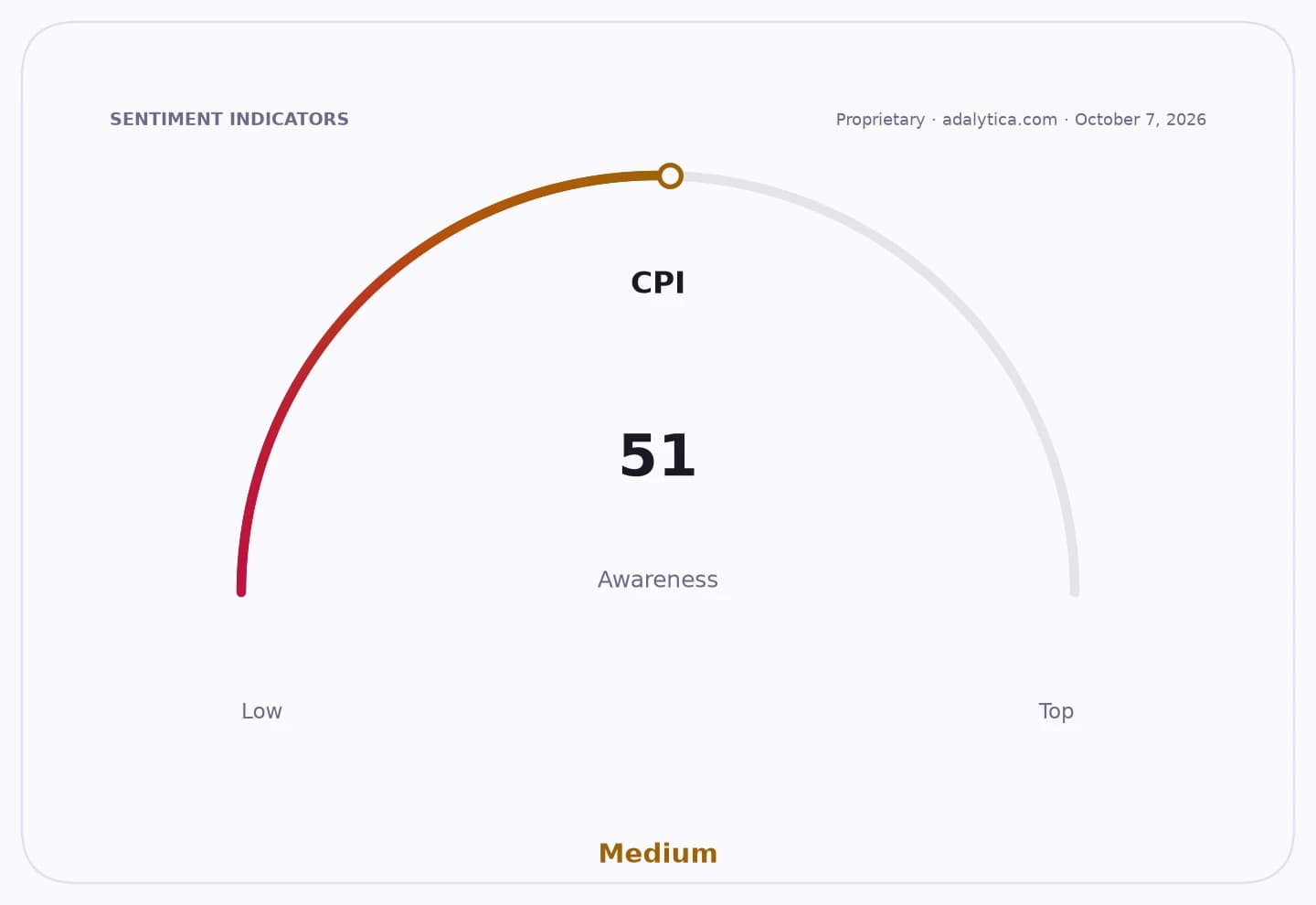
Sentiment IndicatorsⓘProprietary · adalytica.com · October 7, 2026
This is a snapshot — live sentiment, awareness and momentum for 130+ markets update continuously in the dashboard.Open AlphaPulse
The report behind the forecast points to persistent cost pressure in agriculture and food processing, even as headline inflation data in the broader economy has moderated. U.S. producer prices for food-related inputs have also remained elevated on a long-run basis, underscoring that farmers, processors and distributors are still dealing with expensive fuel, feed, logistics and labor.
For investors, the story lands on grocers, food distributors and protein suppliers that must either absorb higher costs or push them through to shoppers. U.S. Foods Holding Corp., one of the major North American foodservice distributors, has already said diesel costs are unpredictable and that case volumes are still rising, a mix that can support revenue but keep margins under strain if transport and commodity costs turn higher again.
The timing also matters because food inflation has broad political and market implications. If Thanksgiving baskets are 10% more expensive, that can reinforce consumer sensitivity heading into the holiday season and make central bank officials less comfortable declaring victory over inflation in essentials.
The next catalyst is the autumn and winter grocery print, along with harvest and livestock pricing, which will determine whether the cost of a holiday meal is a one-off pinch or part of a more durable upswing in food prices.
| Entity | Gains | Losses |
|---|---|---|
| Poultry and pork suppliers | ▲Higher selling prices | ▼Price-sensitive consumers |
| Grocers and distributors | ▲Potential revenue lift | ▼Margin pressure from costs |
| Canadian households | ▲None | ▼Higher holiday food bills |