Russian strikes on Ukraine’s export routes have helped drive global cereal prices to their highest level since February 2022, reviving the inflation risk that food makers and households had begun to leave behind.
Ukraine export route attacks lift global cereal prices
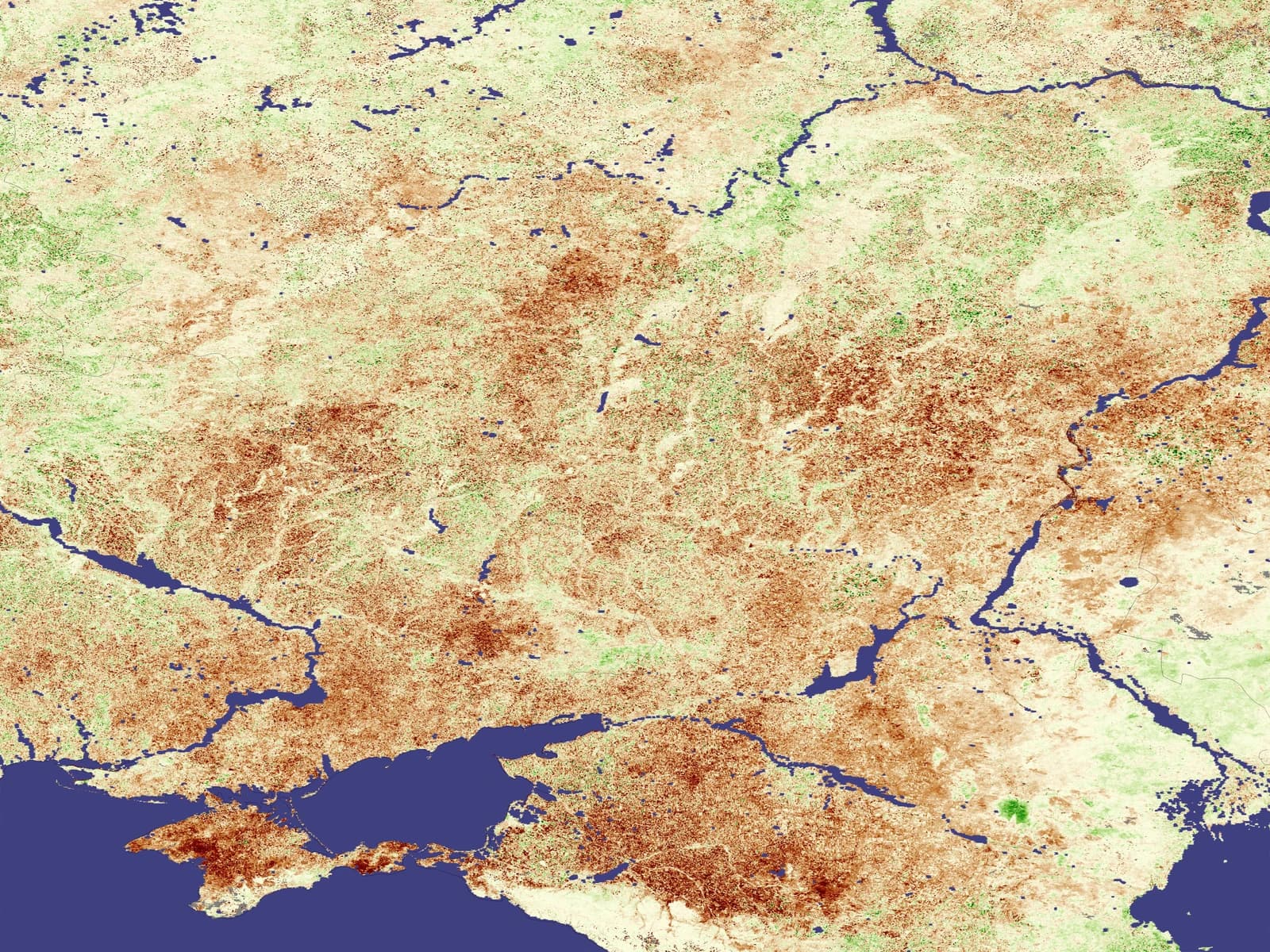
The warning from EU foreign policy chief Kaja Kallas matters because Ukraine remains one of the world’s most important grain exporters, and the Black Sea corridor carries roughly 90% of those shipments. When the flow of wheat, corn and sunflower oil becomes harder or costlier to move, the impact is not confined to Kyiv’s revenues: it ripples through global supply balances, transport costs and, eventually, supermarket prices.
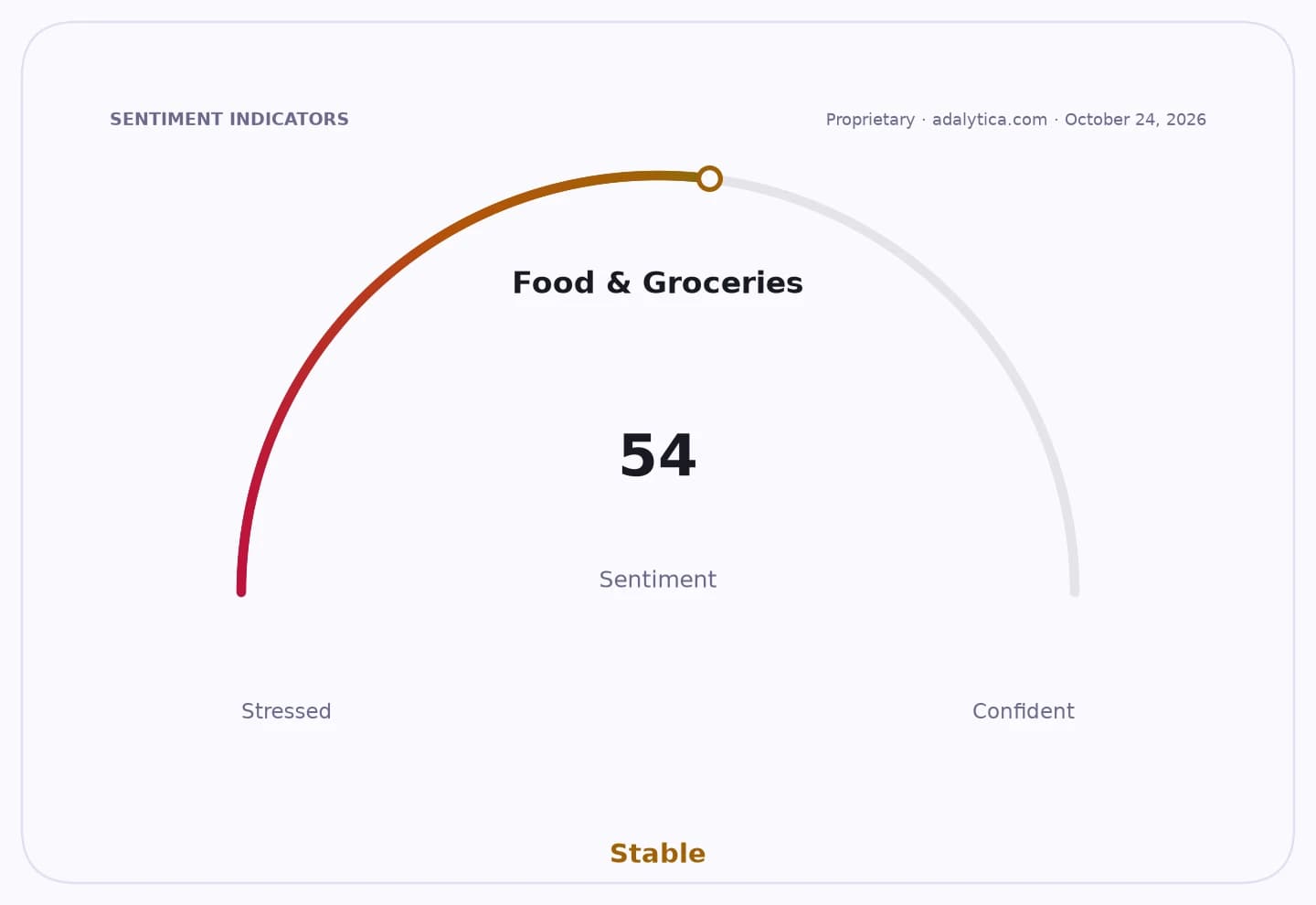
Sentiment IndicatorsⓘProprietary · adalytica.com · October 25, 2026
This is a snapshot — live sentiment, awareness and momentum for 130+ markets update continuously in the dashboard.Open AlphaPulse
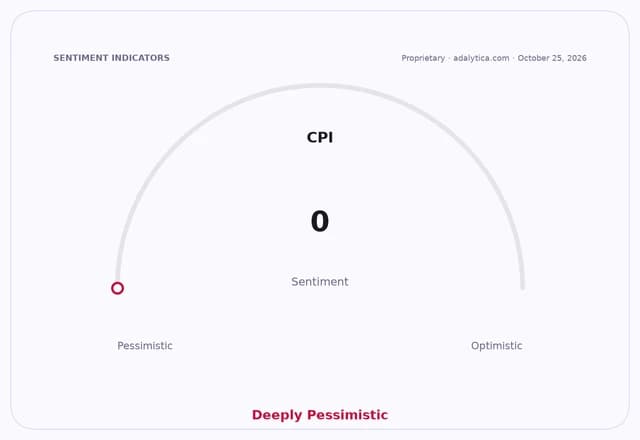
Kallas told the European Parliament that global cereal prices have reached the highest level since Russia’s full-scale invasion began, calling the backdrop a “perfect storm” of war, fertilizer export disruptions and adverse weather. The European Union official said Moscow has intensified attacks on the routes Ukraine uses to ship agricultural goods since mid-July, heightening the risk of further supply bottlenecks.
That matters economically because Ukraine is not a marginal supplier. Kallas cited its share of about 15% of global corn exports, 10% of wheat exports, 15% to 20% of barley exports and roughly half of the world’s sunflower oil shipments. Any sustained disruption can tighten available supply, lift freight and insurance costs and push buyers to pay up for replacement cargoes from other origins.
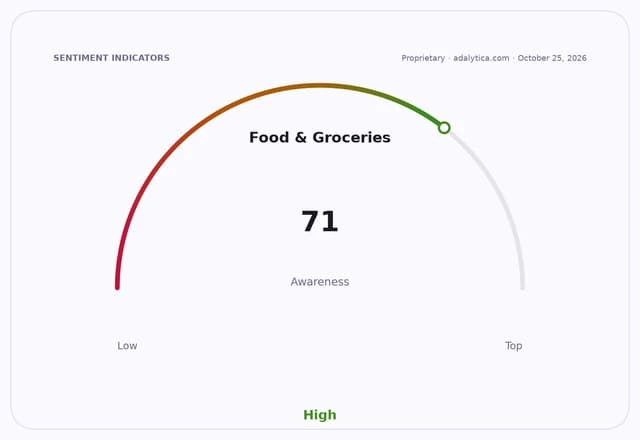
Markets are already reacting. Wheat futures tracked by the WEAT exchange-traded fund have retreated sharply from this summer’s peak, but the broader commodity backdrop remains volatile, with the contract still well above levels seen earlier in the year and technical readings showing it has broken below its 50-day moving average. Corn prices have also swung lower in recent sessions, underscoring how quickly grain markets can reverse on weather, policy or war-related headlines.
The immediate consequence for investors is less about a straight-line rally in grain prices than about renewed margin pressure across the food chain. Grain, especially wheat, is a key input for pasta, bread, biscuits and other baked goods. If importers have to pay more for raw material or logistics, food processors either absorb the hit to margins or pass it on, usually with a lag.
That lag is important. The article’s cited forecasts point to global food prices rising 11.8% in 2026 and another 4.8% in 2027, while Oxford Economics estimates wheat prices rose 36% year on year in the third quarter to $6.92 a bushel. For consumers, the effect is unlikely to be immediate, but the risk is that packaged foods and staple products start to reflect the higher cost base in coming months, with the strongest pass-through potentially showing up between February and May 2027.
The inflation backdrop gives the story more weight. U.S. producer prices for food have been rising again, while consumer prices remain elevated even after earlier disinflation. In other words, the grain shock arrives at a time when the food chain still has limited room to absorb another hit without either squeezing margins or pushing shelf prices higher.
For European policymakers, the concern is political as well as economic. Food inflation has been one of the most visible channels through which the war has affected households, and any renewed increase in bread, pasta and baked-goods prices would be felt quickly by consumers. For investors, the likely winners are grain producers, shipping intermediaries and some agricultural exporters; the losers are food manufacturers, retailers and consumers facing another round of price stickiness.
The key question now is whether the Black Sea corridor can keep functioning despite the attacks. If export volumes hold up, the spike in cereal prices may fade as a temporary risk premium. If not, grain markets could stay tight into 2027, keeping food inflation higher for longer and complicating the outlook for central banks, food companies and households already strained by years of elevated costs.
| Entity | Gains | Losses |
|---|---|---|
| Grain exporters outside Ukraine | ▲Higher selling prices | ▼Softer demand risk |
| Ukrainian farmers and shippers | ▲Support for farm gate prices | ▼Higher war-related losses |
| Food makers and bakers | ▲None | ▼Higher input costs |
| Consumers in Europe | ▲None | ▼More expensive pasta, bread and biscuits |