The real story behind grocery inflation is not that prices are simply high — it is that the forces driving them are wildly different item by item, creating a market where food costs can surge, collapse or lag even when headline inflation is cooling.
Grocery Inflation Favors Walmart and Costco
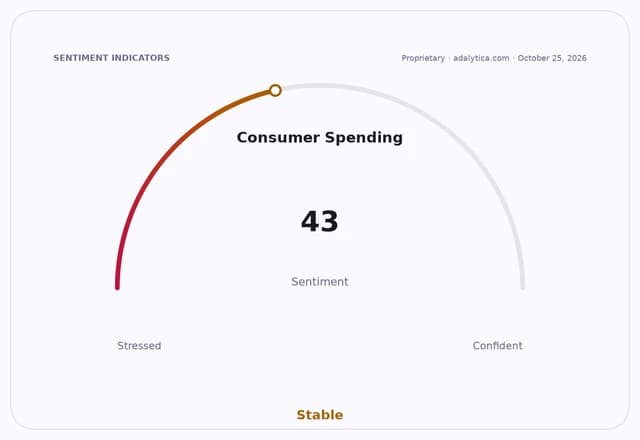
That matters because food is the most visible line item in the cost-of-living debate, and the persistence of price pressure in staples keeps consumer sentiment fragile even as broader inflation eases. The latest read on the CPI is still showing elevated food costs, while grocery-specific sentiment remains in fear territory, a sign that shoppers are not responding to one broad inflation number so much as to the weekly shock of what they see at checkout.
Sentiment IndicatorsⓘProprietary · adalytica.com · October 25, 2026
This is a snapshot — live sentiment, awareness and momentum for 130+ markets update continuously in the dashboard.Open AlphaPulse
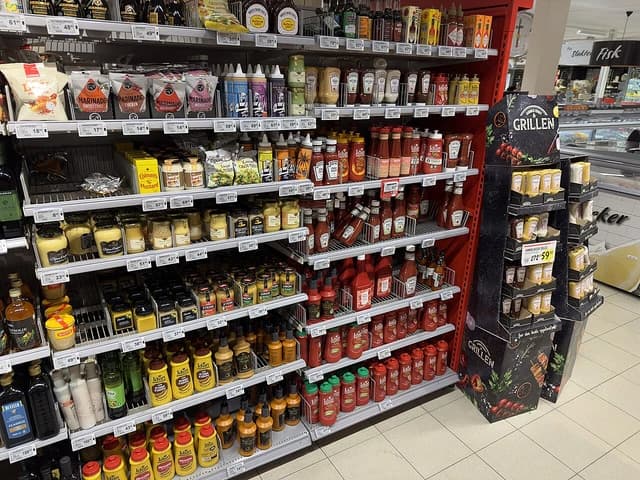
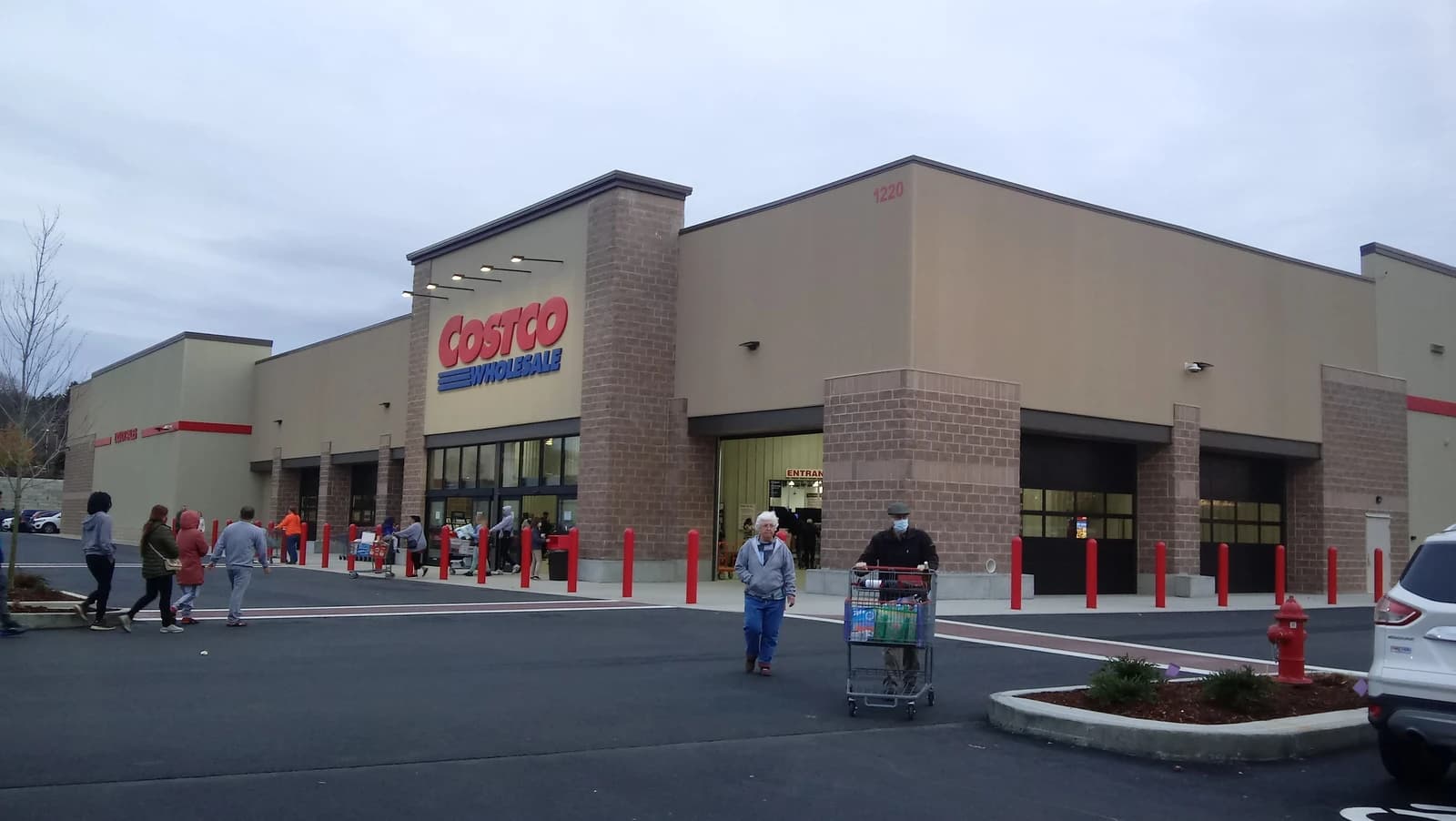
The biggest lesson for investors is that grocery inflation is now a stock-pickers’ market. Companies with pricing power, scale and supply-chain control are taking share, while producers exposed to weather, disease, tariffs and commodity swings are living through a much harsher earnings cycle. That is why Walmart and Costco have continued to outperform on the back of value-seeking shoppers, while producers and processors face a more volatile margin environment.
Ground beef is the clearest example of a structural shortage, not a temporary spike. A pound averaged $6.79 last month, up 85% from a decade ago, as droughts shrank the U.S. cattle herd to its smallest in 75 years. Ranchers face higher fuel, equipment and land costs, and the industry’s consolidation leaves less room for producers to pass through pain. For investors, that means beef inflation is not likely to fade quickly, and it supports pricing for grocery chains even as it squeezes household budgets.
Eggs show the opposite pattern: violent swings caused by supply shocks. Avian flu has repeatedly forced culls, sending a dozen eggs to a record $6.23 in March before prices fell to $2.27 last month. That volatility is a reminder that biosecurity is now an investable issue, with poultry supply chains and packaging suppliers both exposed to disease outbreaks and tariff-driven cost pressure.
Coffee is a global weather trade disguised as a morning habit. The U.S. imports more than 99% of what it consumes, so tariffs on Brazil and other producers hit quickly, even after some were rolled back. Yet the bigger force remains climate disruption, with drought and heavy rainfall cutting yields across Brazil, Vietnam and Costa Rica. Coffee’s 44% gain over two years shows how dependent U.S. consumers are on supply chains far beyond their borders.
Butter is the rare grocery item where oversupply has overwhelmed demand. A pound averaged $3.96 in September, down 17.3% from a year earlier, even as new dietary guidance has boosted interest in fats. Dairy farms increased milk output, partly to meet demand for products such as Greek yogurt and cottage cheese, and that has left butter plentiful. This is the kind of disinflation that helps retailers but challenges dairy producers and branded food makers.
Chocolate chip cookies sit at the intersection of all of these pressures. Flour, cocoa and eggs have all been hit by war, weather and avian flu, while labor and insurance costs keep bakery pricing sticky. The result is a record $5.35 a pound earlier this year, even as some ingredient costs have eased. That makes premium packaged foods and artisanal bakers more resilient on revenue, but also more vulnerable to consumers trading down if wage growth slows.
The investable takeaway is simple: grocery inflation is not ending, it is fragmenting. The market underestimates how long consumers will remain value-sensitive and how many winners that creates in discount retail, warehouse clubs, logistics and private-label food. If you want exposure to the next phase of this cycle, own the companies that benefit when shoppers trade down — not the ones hoping grocery prices normalize all at once.
| Entity | Gains | Losses |
|---|---|---|
| Walmart | ▲Value traffic, market share | ▼Premium retailers |
| Costco | ▲Price-sensitive shoppers | ▼Branded grocers |
| Cattle ranchers | ▲Higher beef prices | ▼Consumers, processors |
| Dairy producers | ▲Milk and butter oversupply | ▼Butter prices, margins |
| Coffee importers/roasters | ▲Tariff relief when rolled back | ▼Coffee drinkers, exporters |