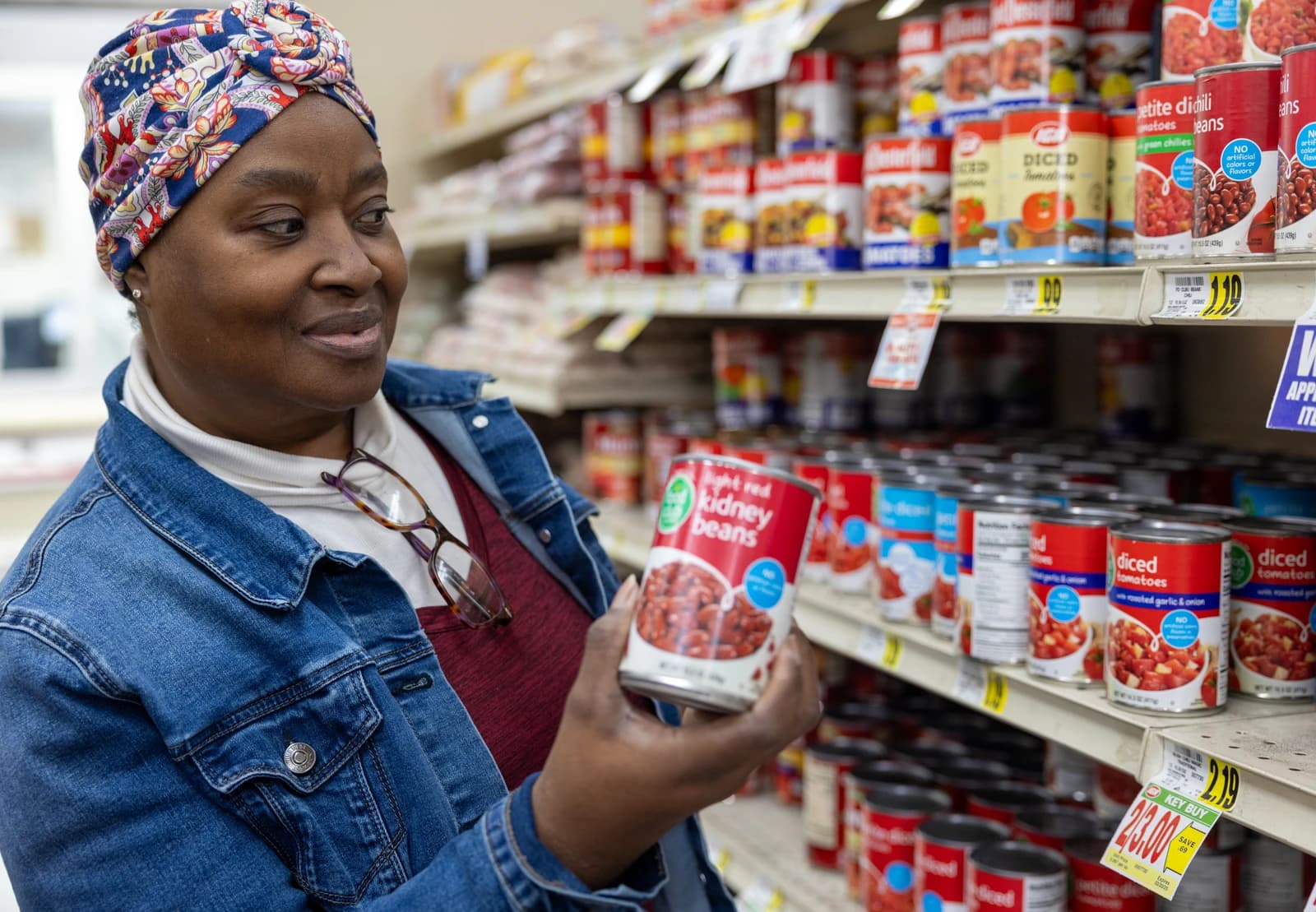
Rising grocery bills are squeezing Irish households even as farmgate prices for key products are falling sharply, exposing a growing disconnect between what consumers pay at the till and what farmers receive for milk, cattle and pigs.
Ireland grocery inflation rises as farmgate prices fall
That gap matters for the wider economy because it suggests food inflation is being driven less by producer prices than by retail margins, promotions and supply-chain costs, leaving shoppers under pressure while farm incomes come under strain. It also complicates the outlook for inflation, since grocery spending remains one of the most visible sources of household stress and one of the quickest to shape consumer behaviour.
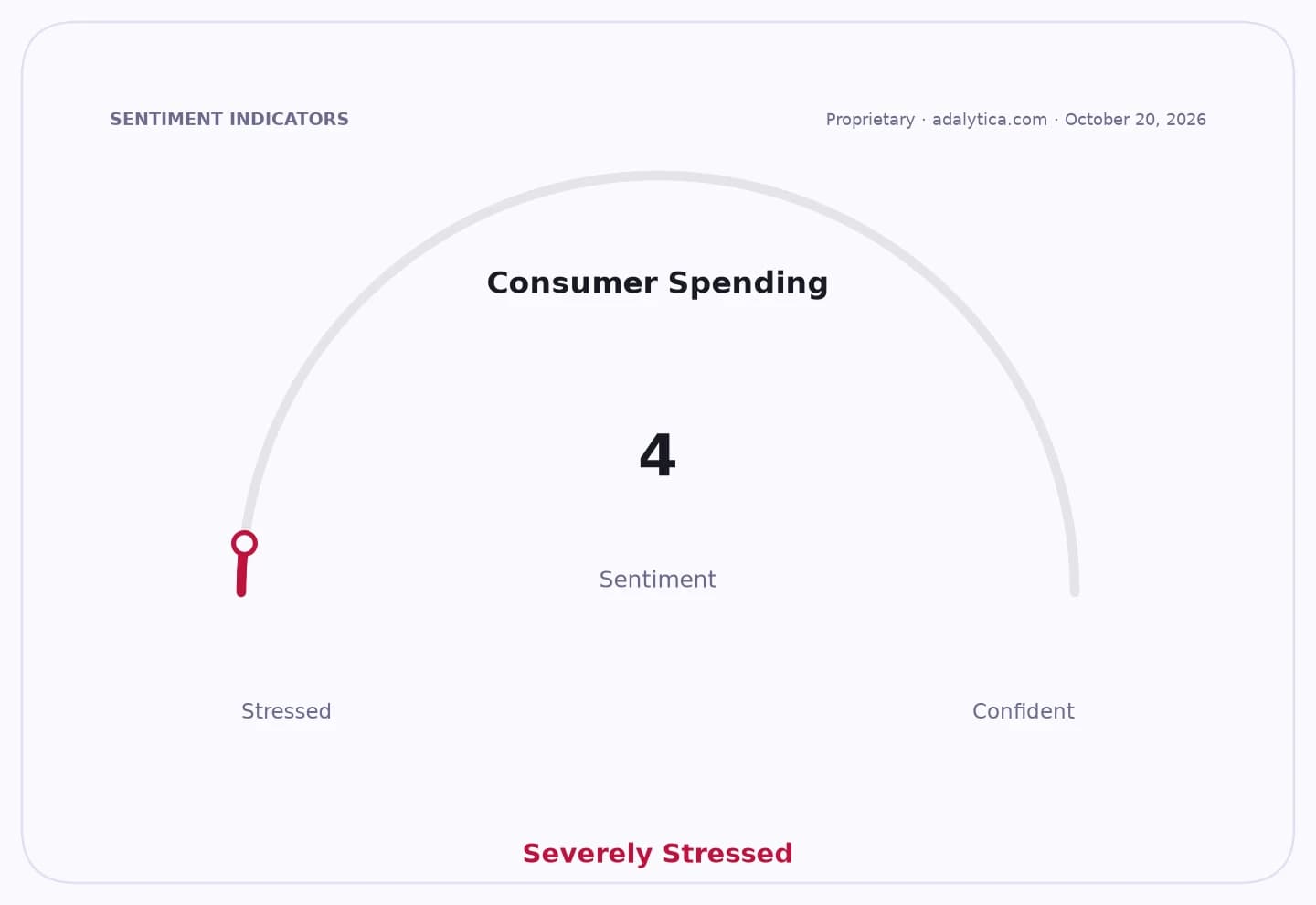
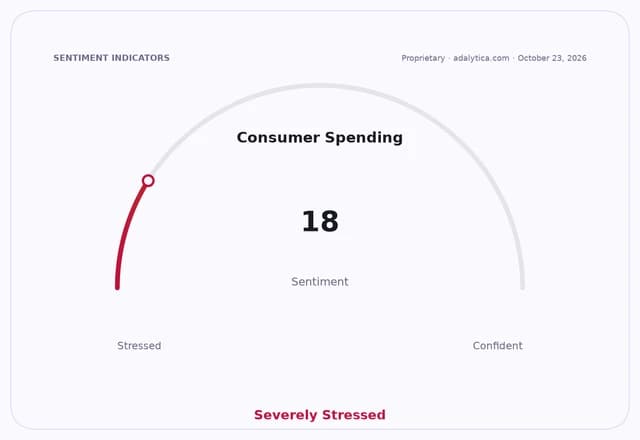
Sentiment IndicatorsⓘProprietary · adalytica.com · October 23, 2026
This is a snapshot — live sentiment, awareness and momentum for 130+ markets update continuously in the dashboard.Open AlphaPulse
Worldpanel by Numerator said grocery price inflation in Ireland climbed to 4.69%, while take-home grocery sales rose 4.3% in the four weeks to Oct. 4. At the same time, the Central Statistics Office said agricultural output prices fell 13% year on year in August, with milk down 17.6%, cattle down 14.9% and pigs down 14.4%.
The combination points to a classic squeeze in the food chain. Shoppers are trading down and buying little and often, according to Worldpanel, while promotions accounted for almost 21% of grocery spend over the latest 12 weeks. That suggests retailers are leaning more heavily on discounts to keep volumes moving, even as consumers keep a tighter grip on budgets.
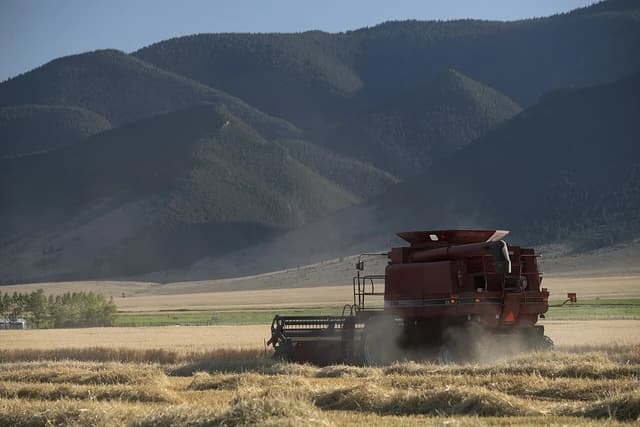
For farmers, the problem is the opposite side of the same inflation story: input costs remain elevated, but output prices are weakening. That narrows margins and raises pressure on livestock and dairy producers already exposed to feed, energy and financing costs. If the downtrend in farmgate prices persists, it could weigh on rural incomes and investment in the sector, even as food prices on shelves remain sticky.
The retail winner so far appears to be discounter Lidl, which lifted its market share to 14.6% from 8.3% a year earlier, according to Worldpanel. Dunnes remains the largest grocer at 24.8%, followed by Tesco at 24%, SuperValu at 18.8% and Aldi at 10.8%.
For investors, the story is less about a single monthly inflation print than the uneven distribution of price pressure across the food economy. Grocery chains with scale and promotional leverage may defend traffic, but farmers and food suppliers face a tougher earnings backdrop. The next test will be whether lower farm prices eventually feed through to shelf prices, or whether retailers keep the gap wide as consumers continue to hunt for deals.
| Entity | Gains | Losses |
|---|---|---|
| Discount grocers | ▲Share gains from trading down | ▼Margin pressure from promotions |
| Big supermarkets | ▲Sticky traffic from food inflation | ▼Slower basket growth |
| Farmers | ▲None | ▼Lower milk, cattle, pig prices |
| Shoppers | ▲More deals and discounts | ▼Higher grocery bills |