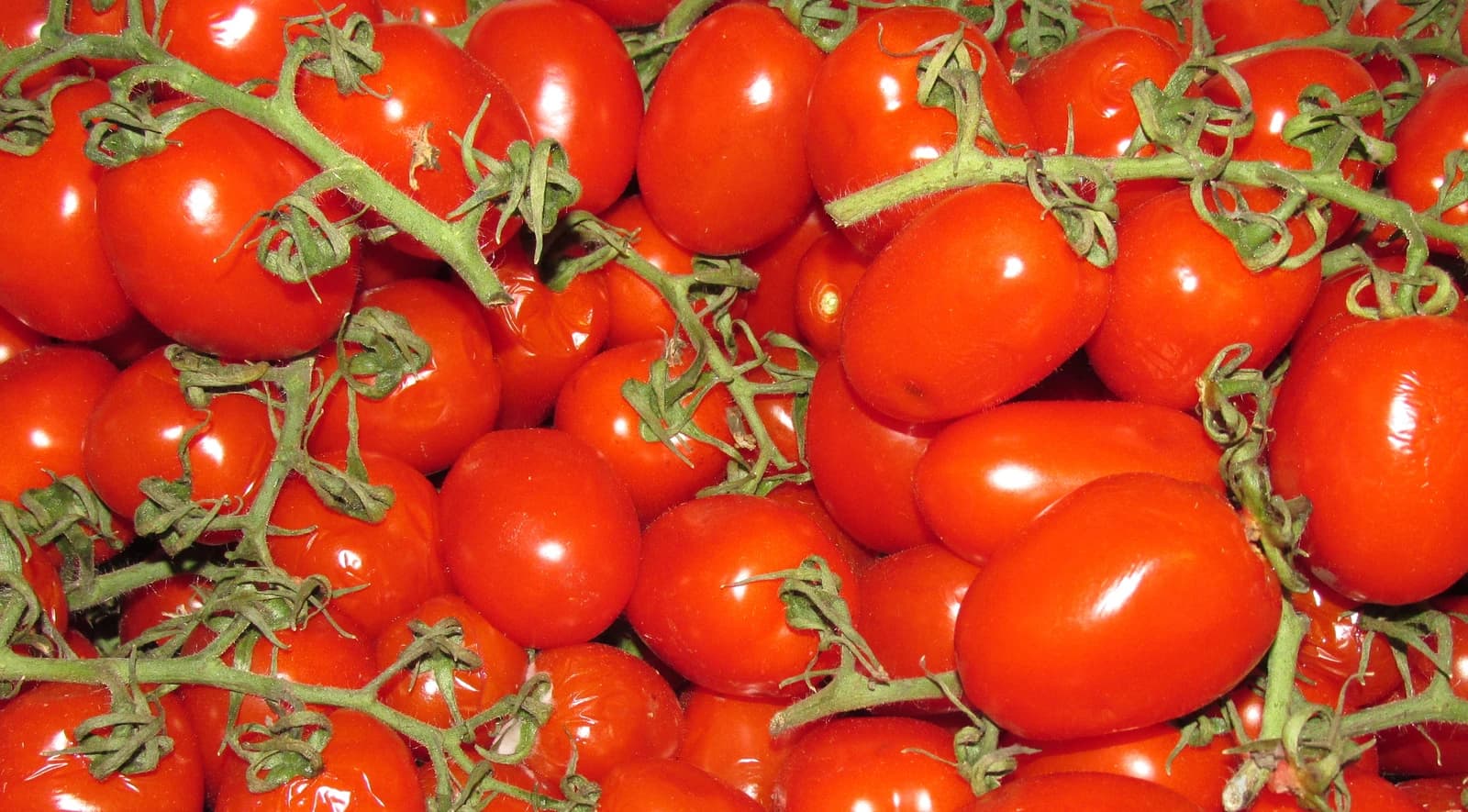
Food inflation in France has become a slow-moving crisis for households, and investors should pay attention because it shows how sticky higher input costs can be once they pass through the supply chain. Over the past decade, the Insee food-price index has risen by almost 35 points, while base wages have climbed only 24 points, leaving consumers with less real purchasing power and forcing many to trade down at the supermarket.
France Food Inflation Stays Sticky as Wages Lag
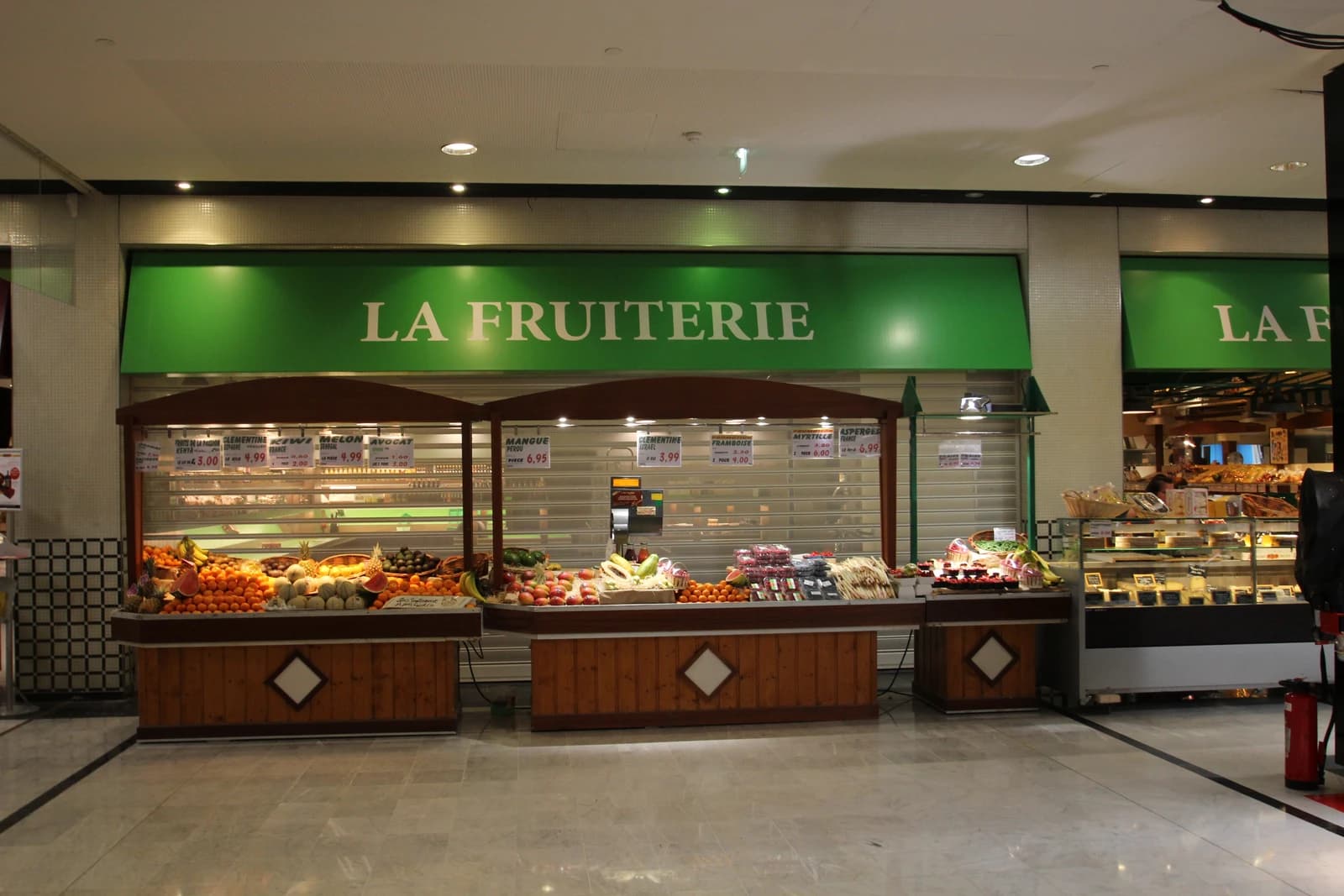
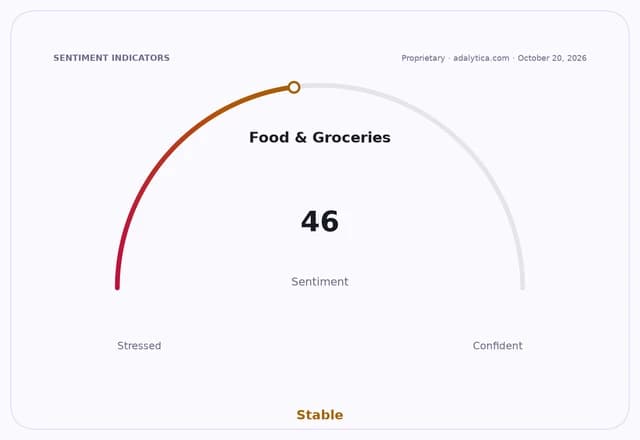
That gap matters because food is not a discretionary expense for most families. When prices for essentials rise faster than pay, households do not simply absorb the difference — they change behavior. Insee says shoppers have responded by cutting consumption, avoiding the most expensive products or buying lower-quality substitutes. That shift is exactly what makes food inflation politically combustible, especially ahead of protests over the cost of living.
The biggest price gains have come in fresh produce, where the “fruit and vegetable” basket tracked by Insee has surged 112 points since August 2016. Labor costs sit at the heart of that rise, but so do climate shocks. Hotter summers and drought have pushed some fruit prices up more than 10% in 2026 alone, underscoring how weather volatility is no longer a side issue for grocery inflation.
Butter tells a similar story, only with more global reach. Even though it is made largely in France, its price has been pulled higher by international demand, export flows and a tighter dairy market. The lesson for investors is that “local” food inflation often has global drivers behind it, from trade to farm economics to supply discipline.
Energy has been another major accelerant. After Russia’s invasion of Ukraine, electricity costs jumped sharply, and that fed straight into food production, transport, refrigeration and processing. For investors, that is the key compounding problem: once energy, labor and financing costs move higher together, the retail price tag tends to stay elevated long after the initial shock fades.
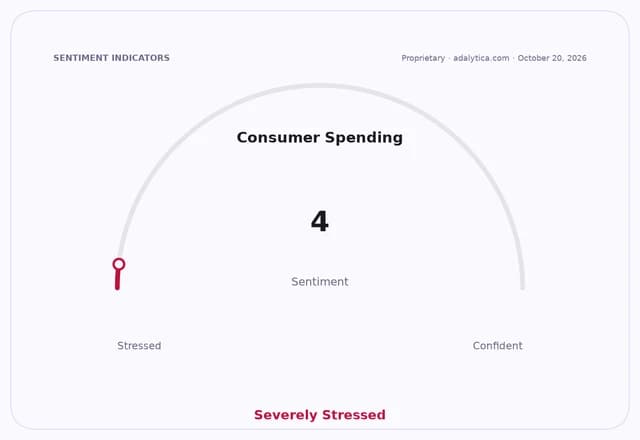
The broader implication is that this is not just a French household story. Persistent food inflation tends to support pricing power for parts of the agri-food chain, but it also pressures consumer spending, raises political risk and narrows the room for margin expansion in other sectors. If wages keep trailing staple prices, the burden shifts to consumers, and that is bad news for discretionary spending over time.
For long-term investors, the takeaway is simple: food inflation is unlikely to snap back quickly. The winners are businesses with pricing power, efficient supply chains and exposure to essential consumption; the losers are households, import-sensitive retailers and companies that rely on consumers feeling flush. This is a trend worth watching, not for a quick trade, but for what it says about the durability of inflation in the real economy.
| Entity | Gains | Losses |
|---|---|---|
| Food producers with pricing power | ▲Higher selling prices | ▼Consumer backlash |
| French households | ▲None | ▼Lower purchasing power |
| Retailers and supermarkets | ▲Pass-through demand | ▼Margin pressure from trade-down behavior |
| Consumers of staples | ▲Essential access at any price | ▼Budgets and discretionary spending |