Border supermarkets in Spain are turning French inflation into a lasting business advantage, with some stores saying French customers now make up as much as 85% to 90% of traffic. For investors, that matters because it shows how persistent price gaps can reshape consumer behavior, shift sales across borders and give discount-oriented grocers a durable edge even when overall demand is soft.
Spain border grocers gain from French shoppers

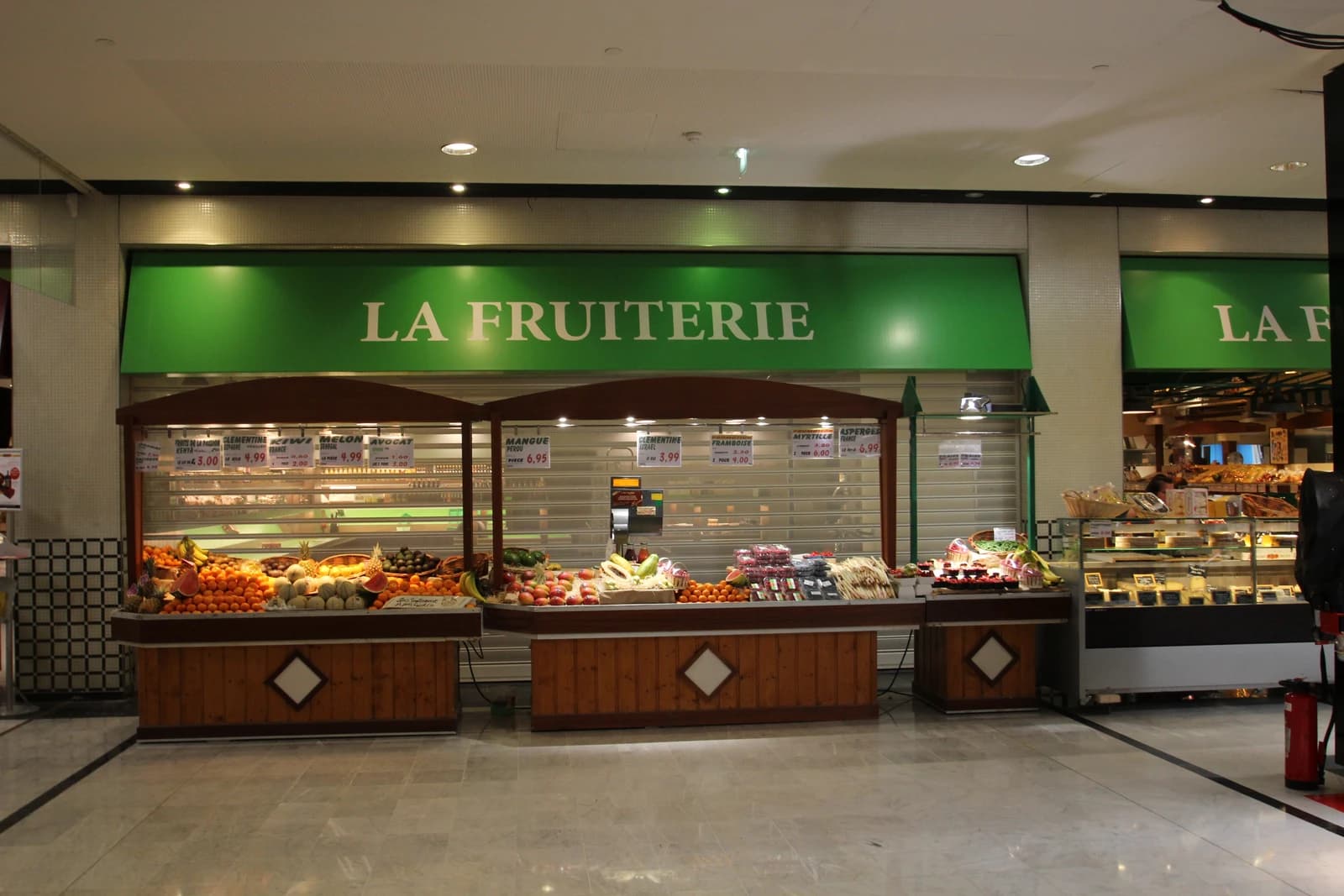
The pattern is simple: French households are crossing into the Basque border region to hunt for lower prices on everyday essentials, from meat and hygiene products to fruit and vegetables. Some goods are reportedly as much as twice as cheap in Spain as in France, making the trip worthwhile even after fuel and travel costs. When gasoline in France climbed to around 2 euros a liter while Spanish prices stayed closer to 1.50 to 1.60 euros, the border trade widened further, encouraging shoppers to combine filling up the tank with a grocery run.
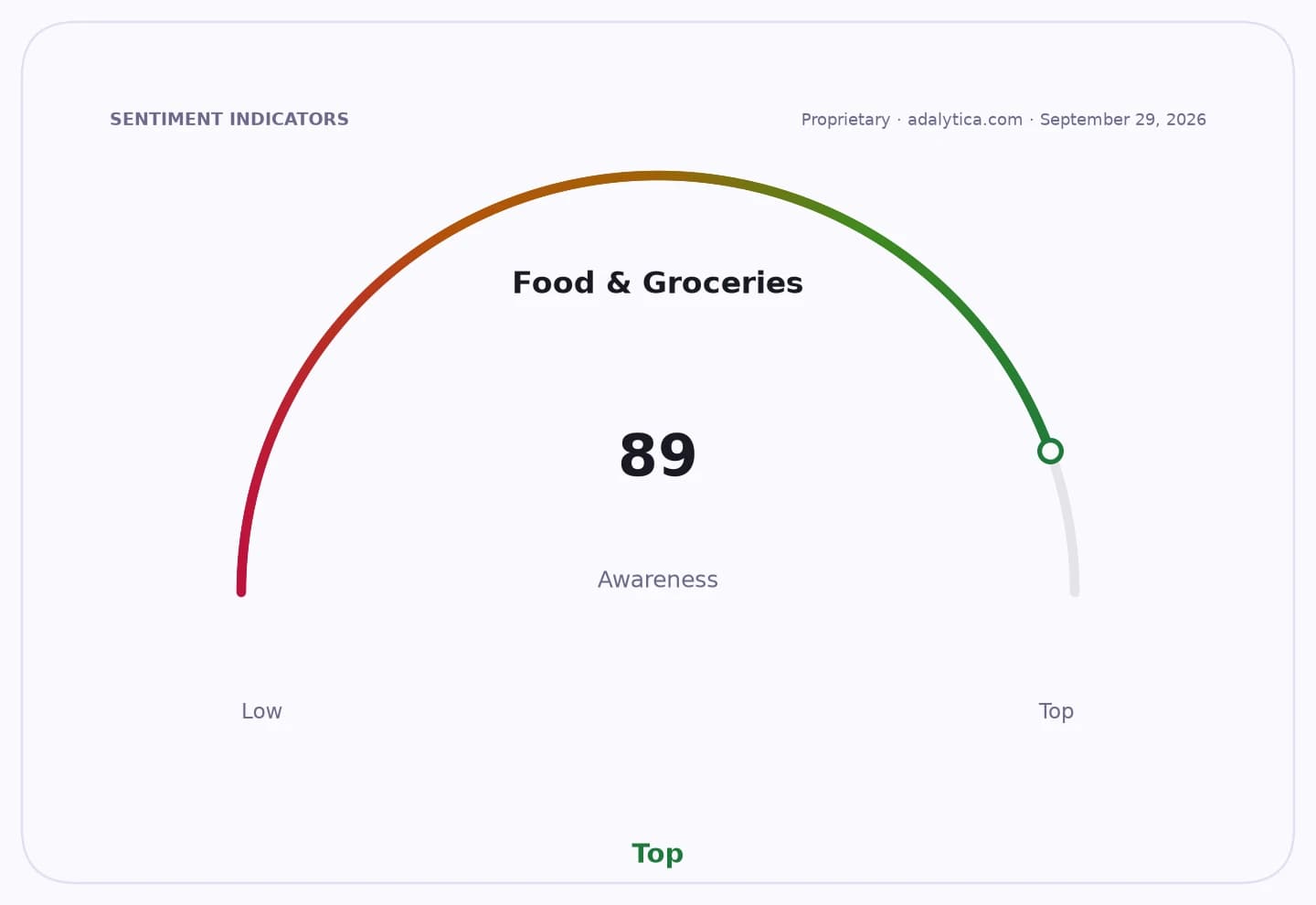
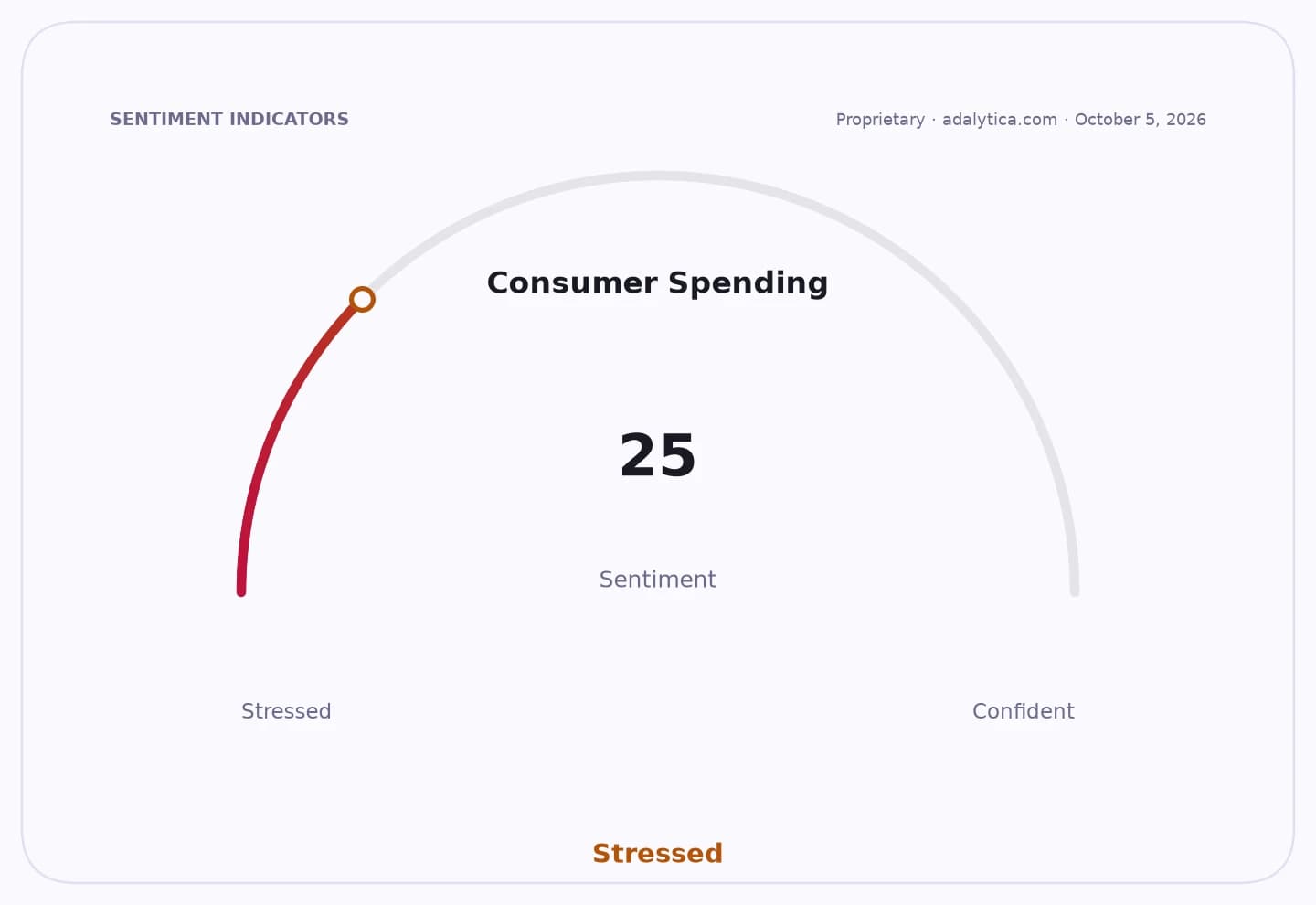
Sentiment IndicatorsⓘProprietary · adalytica.com · October 19, 2026
This is a snapshot — live sentiment, awareness and momentum for 130+ markets update continuously in the dashboard.Open AlphaPulse
That shift is economically important well beyond Hendaye and nearby towns. It is a living example of how inflation changes not just what consumers buy, but where they buy it. As household budgets come under pressure, shoppers become more price sensitive, more willing to travel and more focused on essentials. The result is a transfer of spending power from higher-cost retailers in France to leaner operators across the border. In other words, inflation does not just squeeze margins; it redirects demand.
For Spanish grocers such as Venta Peio, the French influx is now central to the business model. The company says it adjusts signage, language and assortment to fit French preferences, even watching French prices daily to stay competitive. That is a reminder that retail success in a high-inflation environment often comes from discipline rather than glamour: keeping prices sharp, limiting unnecessary assortment and understanding exactly how customers behave when every euro counts.
The story also helps explain why some consumer-facing stocks can remain resilient even in weak macro conditions. Discount grocers and value retailers often gain share when shoppers trade down, and cross-border shopping is one of the clearest signs of that trade-down effect. Adalytica’s Consumer Spending Sentiment gauge is in extreme fear, while broader trade signals on U.S. equities are also deeply cautious. That fits a world where consumers are defensive, not expansive, and where value formats can outperform by capturing price-sensitive traffic.
There are limits, of course. If French inflation cools materially, the border advantage could narrow. Currency moves, fuel prices and local competition also matter. But the broader investment lesson is sturdier: whenever inflation stays sticky, consumers become more rational, more mobile and less loyal to higher-priced stores. That is good news for retailers built around price and efficiency, and a warning for those depending on brand convenience alone.
For long-term investors, the takeaway is not to chase the next weekly shopping trend. It is to recognize the durable winners in a price-conscious economy: retailers with scale, disciplined sourcing and a clear value proposition. Border shopping near France is worth watching because it captures a bigger truth about inflation — and the companies that adapt fastest tend to compound the longest.
| Entity | Gains | Losses |
|---|---|---|
| Venta Peio and Spanish border grocers | ▲French shopper traffic | ▼French inflation-sensitive households |
| Value retailers | ▲Share gains in essentials | ▼Premium grocers with weaker price appeal |
| French consumers | ▲Lower grocery and fuel costs | ▼Time and travel costs |
| French retailers | ▲None | ▼Lost cross-border spending |