Students are still finding ways to eat well on tight budgets, but the weekly cost of doing so now stretches from about 20 euros to as much as 120 euros, underscoring how inflation has made food planning a central part of student life rather than a side issue.
Students in Vilnius cut food costs as inflation stays high

The stories from students in Vilnius point to a broader consumer adjustment: meal quality is no longer defined by spending more, but by spending more carefully. That matters economically because food remains one of the most visible and non-discretionary household outlays, and the way young consumers shop tends to filter quickly into broader retail and restaurant demand. The pattern also suggests that bargain hunting, menu improvisation and home cooking are doing more to protect disposable income than outright spending growth.
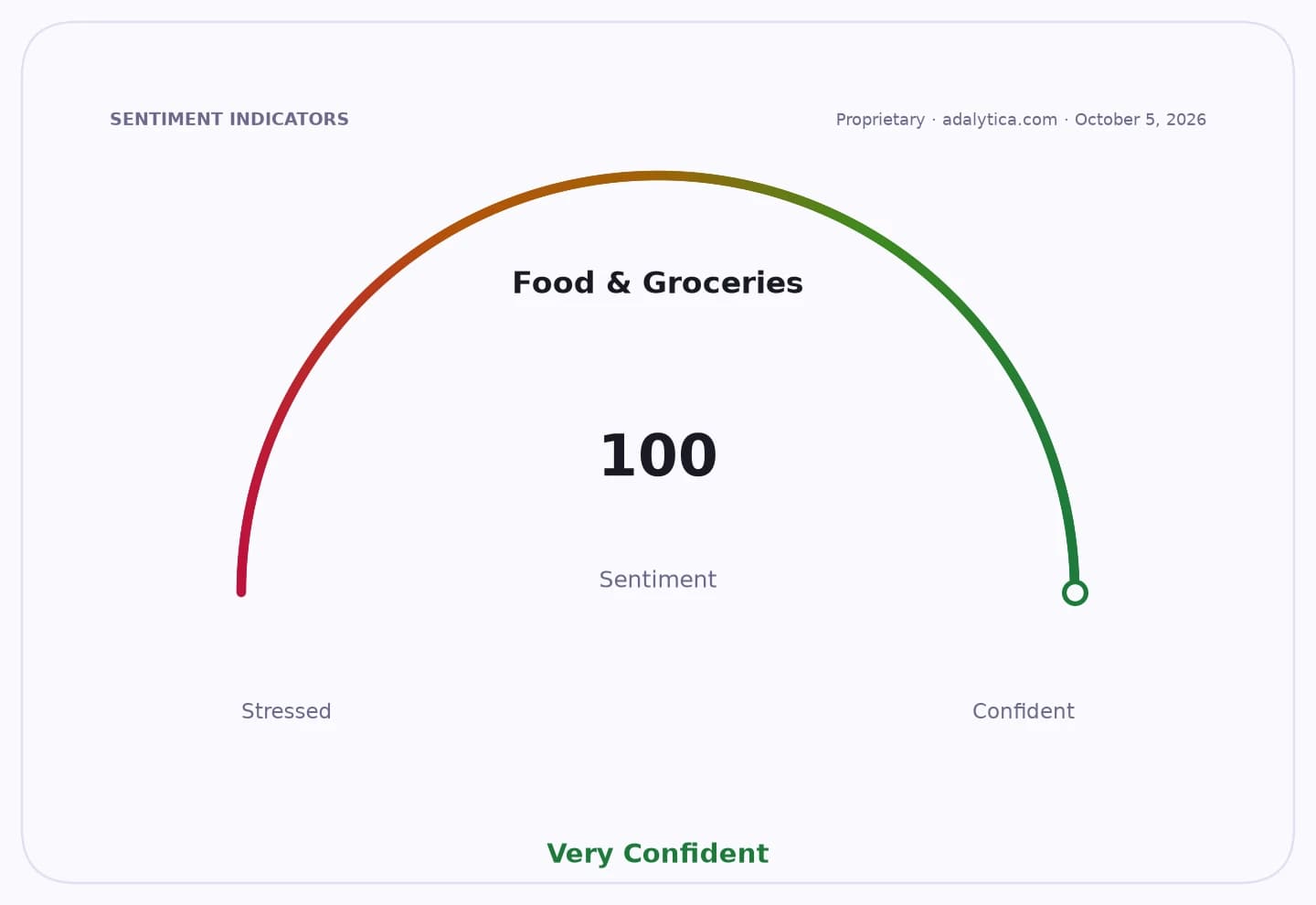
Sentiment IndicatorsⓘProprietary · adalytica.com · October 16, 2026
This is a snapshot — live sentiment, awareness and momentum for 130+ markets update continuously in the dashboard.Open AlphaPulse
Several students said they now cook more at home than in their first year, moving away from frozen meals toward simpler dishes such as chicken, pasta, salads, stews and tortillas. That shift is not just about taste. It reflects a response to higher living costs and tighter budgets, with one student saying careful planning can keep her weekly grocery bill near 50 euros, while unplanned weeks can push it to 70-80 euros or even 120 euros when social events or missing ingredients force extra spending.
The emphasis on price is striking, but it is not absolute. Some students said they scan for promotions and choose the cheapest option first, while others weigh ingredients and quality more heavily, even if that means paying a little more. In practice, this creates a split market: value-focused shoppers gravitate to discount-led retailers and private-label products, while quality-conscious buyers will still pay up for better composition, protein content or convenience.
That dynamic helps explain why supermarkets, discount chains and budget-friendly restaurants continue to hold up better than pricier discretionary venues when consumer budgets are under strain. It also helps names such as Walmart and Costco, which benefit from trade-down behavior, while pressuring higher-priced food outlets that rely on less price-sensitive traffic. At the same time, McDonald’s and similar chains can capture demand from students looking for an inexpensive meal outside the home.
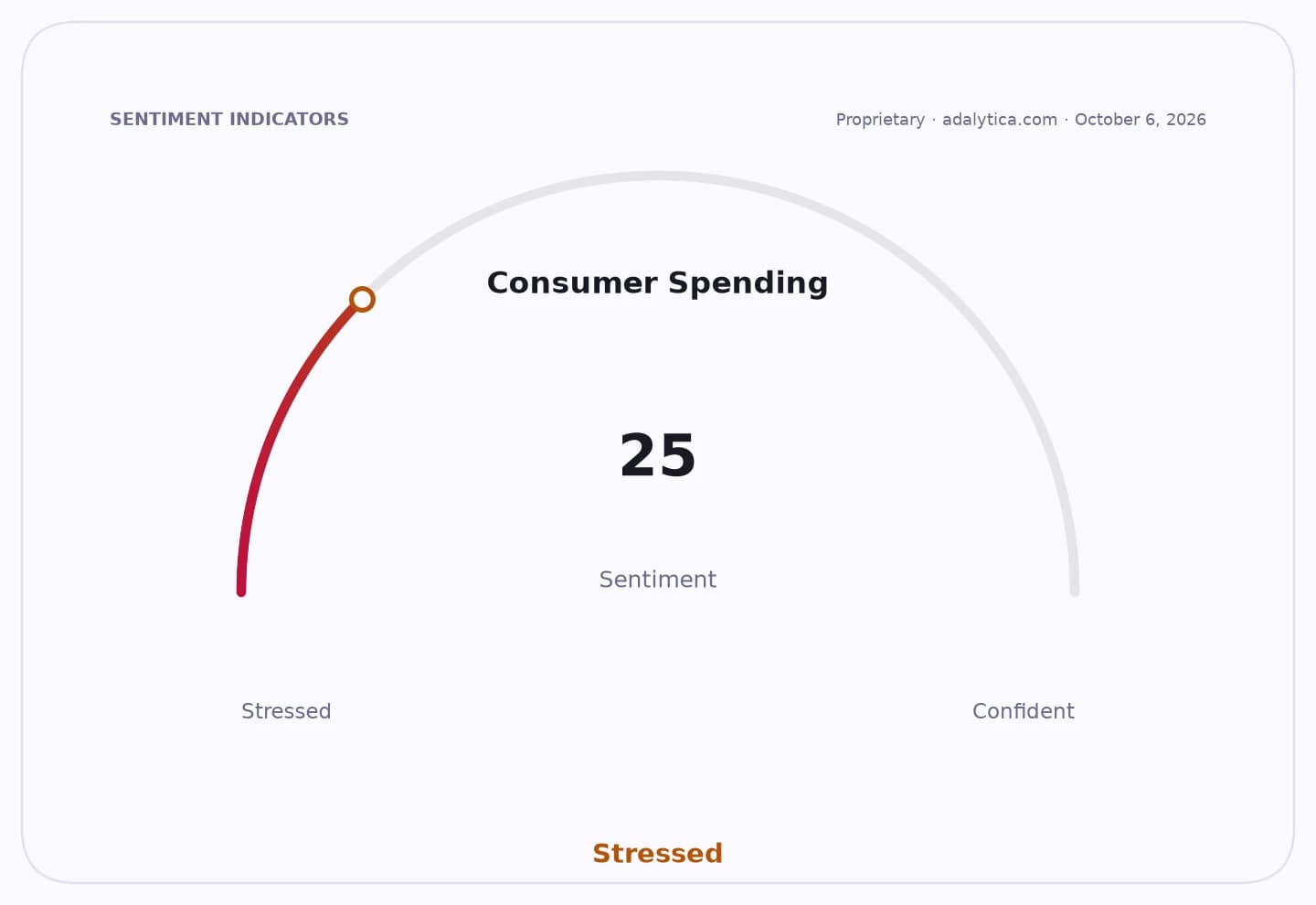
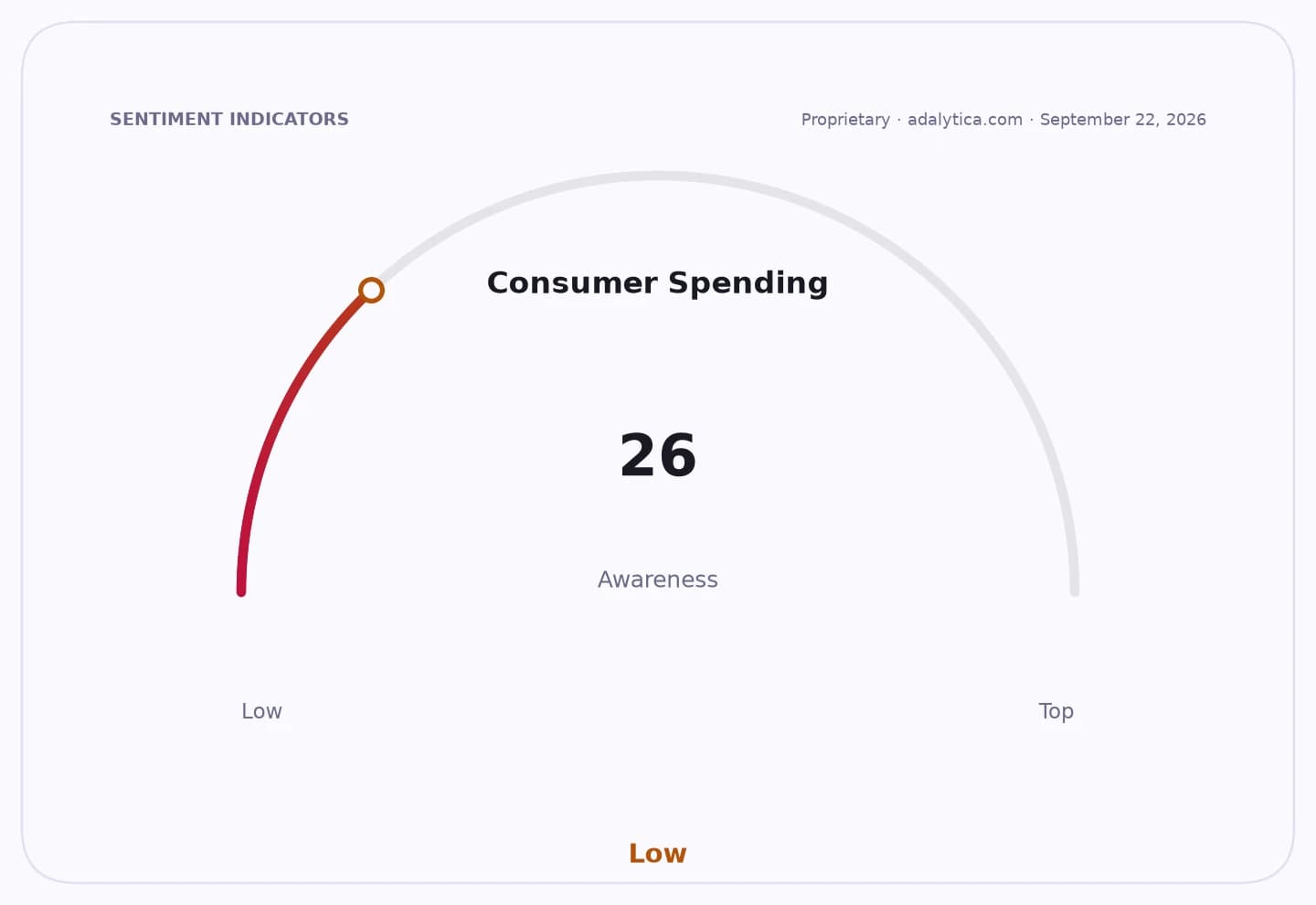
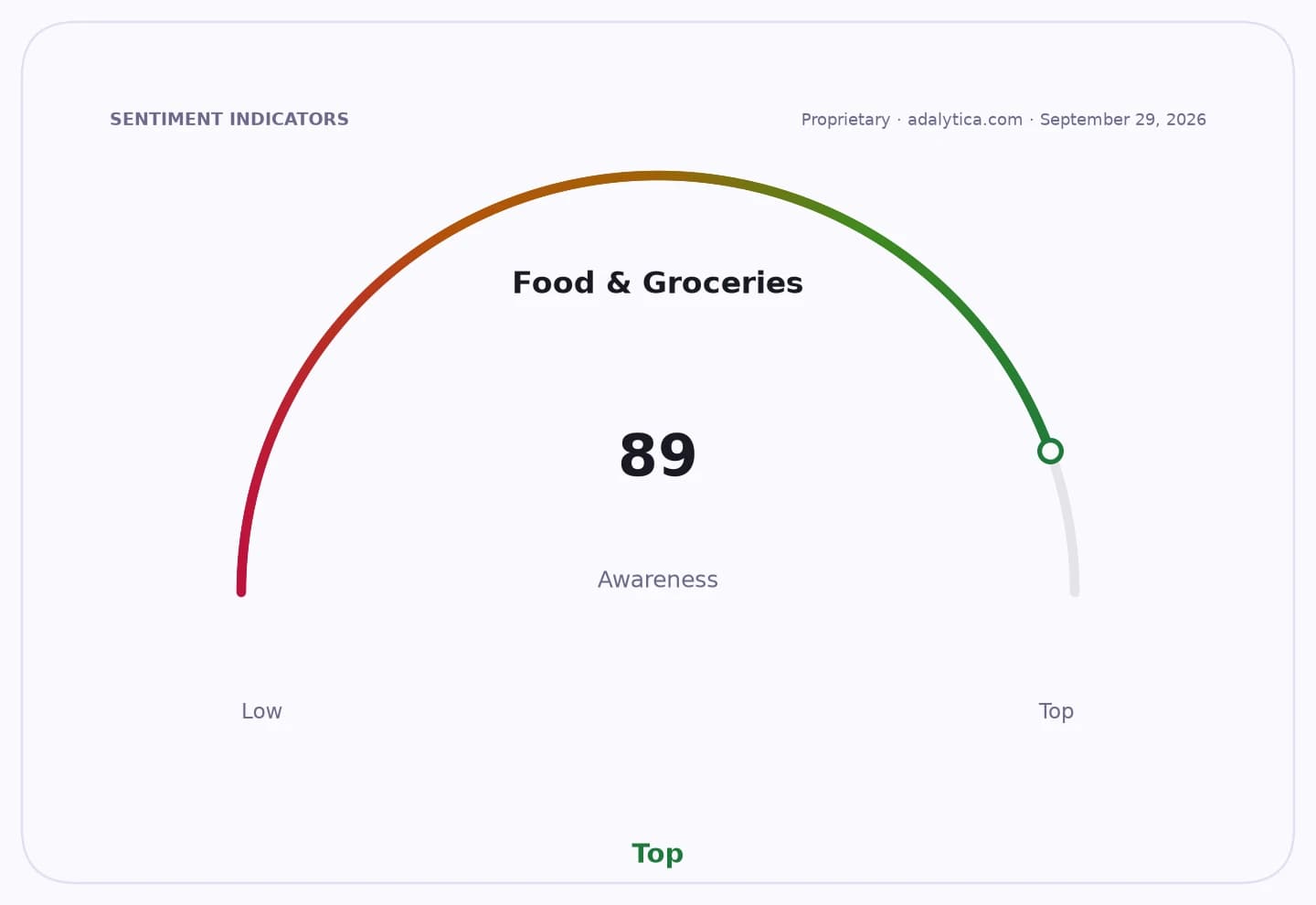
The broader economic backdrop is not encouraging. Inflation remains high enough to keep consumers alert to prices, and the available sentiment gauges in the data show elevated concern around food and wages, even if consumers remain willing to spend selectively. That combination usually favors volume over margin for retailers and restaurants: shoppers still buy, but they compare harder, substitute faster and reward promotions.
For investors, the lesson is that food inflation is not only a macro statistic. It is a behavior shift that changes basket composition, average ticket size and channel mix. Chains and grocers that can offer cheap, convenient meals without sacrificing perceived quality are likely to gain share. Those that depend on premium pricing may have to lean harder on promotions as students and other budget-conscious consumers keep proving the same point: eating well does not require emptying your wallet, but it does require constant calculation.
| Entity | Gains | Losses |
|---|---|---|
| Discount grocers | ▲Trade-down demand | ▼Premium-only retailers |
| Budget restaurant chains | ▲Student traffic | ▼Higher-priced eateries |
| Students with meal plans | ▲Lower weekly spend | ▼Impulse buyers |
| Food brands on promotion | ▲Volume share | ▼Full-price sellers |