Inflation’s reacceleration is strengthening the case that Walmart and Costco will keep taking share from weaker retailers as households hunt for value and trade down on everyday spending.
Walmart and Costco Gain Share as Inflation Stays Sticky
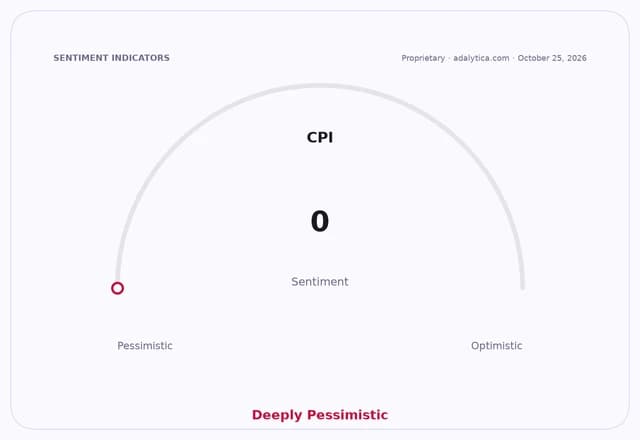
The September consumer price index rose 3.7% from a year earlier, up from 3.4% in August, with gasoline up 9.1% on the month and 34.2% over the year. Core inflation was cooler at 2.6%, but the split still matters for retailers because the sharpest pressure is showing up in fuel, food and other non-discretionary purchases. That is precisely the environment in which club stores and mass merchants tend to outperform: shoppers visit more often, compare prices more aggressively and concentrate spending with the chains they trust to deliver the lowest basket cost.
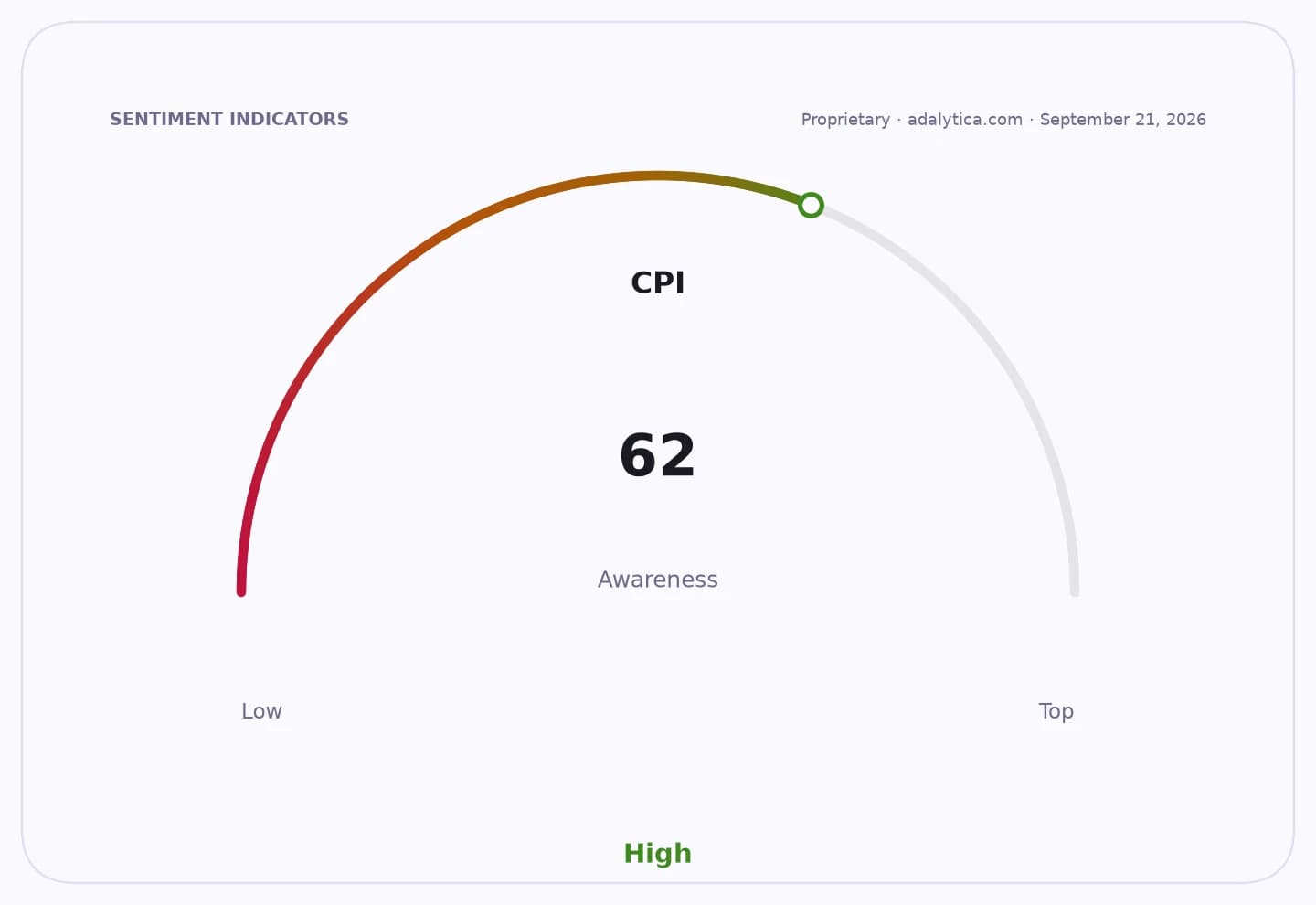
Sentiment IndicatorsⓘProprietary · adalytica.com · October 25, 2026
This is a snapshot — live sentiment, awareness and momentum for 130+ markets update continuously in the dashboard.Open AlphaPulse
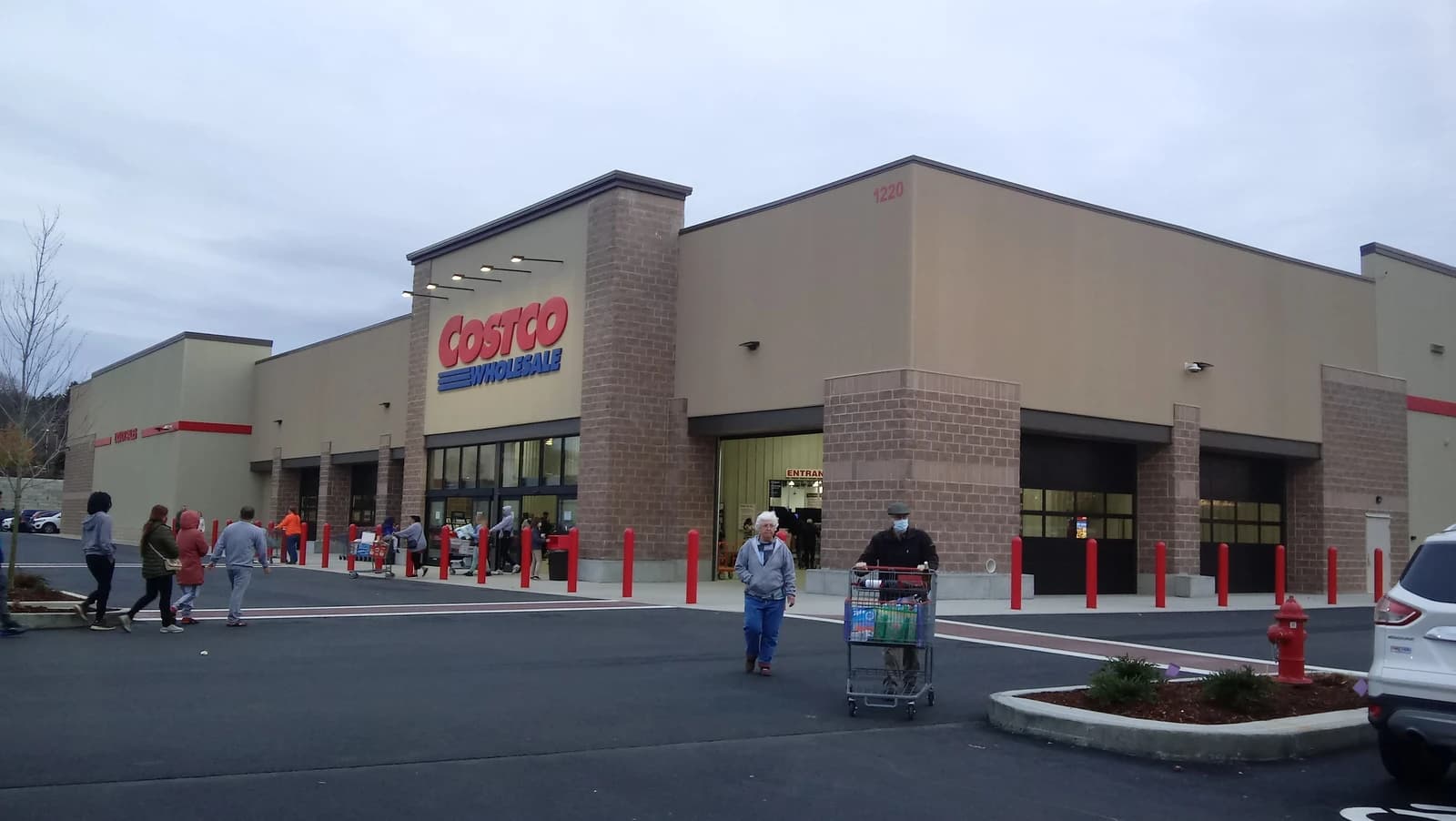
For Walmart and Costco, the inflation backdrop is less a macro headwind than a customer-acquisition engine. Neither chain relies on fat merchandise markups to make money. Costco caps markups at 14% on regular goods and 15% on Kirkland Signature private-label items, while membership fees are the real profit pool. Walmart’s model is similarly built on volume, not pricing power. When consumers feel stretched, those structures become competitive advantages because they can offer lower prices without sacrificing economics.
The latest operating results suggest that dynamic is already playing out. Walmart’s U.S. comparable sales rose 3.4% last quarter excluding a one-time health and wellness drag, total revenue climbed 5.9% to $187.9 billion and global e-commerce sales jumped 23%. Former chief executive Doug McMillon said the company was “holding at the lower end and adding at the upper end,” a sign that higher-income households are joining the value trade alongside Walmart’s core customers.
Costco’s momentum looks even more pronounced. Fiscal fourth-quarter sales increased 11.2% to $93.9 billion, comparable sales rose 9.4% and membership fee income grew 7.3% to $1.85 billion. Renewal rates in the U.S. and Canada reached 92.3%, while executive memberships climbed 9.4% to a record 42.3 million. That matters because it shows inflation is not just driving traffic; it is reinforcing customer lock-in and willingness to pay for access to the warehouse model.
The stocks already reflect much of that strength. Walmart is up more than 10% over the past month and trades in the mid-30s times forward earnings, above its five-year median in the mid-20s. Costco is also up more than 10% recently and trades in the low-40s on forward earnings, which is expensive in absolute terms but closer to its longer-term average. In other words, investors are paying for resilience, and the burden of proof is now on execution rather than the macro backdrop alone.
That leaves a straightforward bull and bear case. The bull case is that if inflation stays sticky into 2027, Walmart and Costco keep gaining share from grocers, discounters and mid-tier retailers that cannot match their scale or trust. The bear case is valuation: if comp sales slow, or if consumer confidence weakens faster than expected, these richly priced shares could be vulnerable to any sign that the value trade is losing momentum.
For now, though, the evidence points in one direction. Rising prices are squeezing consumers, but they are also widening the moat around the retailers best built to serve them.
| Entity | Gains | Losses |
|---|---|---|
| Walmart | ▲Higher traffic and share gains | ▼Margin pressure from price competition |
| Costco | ▲Membership growth and sticky renewal rates | ▼Valuation risk if growth slows |
| Struggling retailers | ▲— | ▼Lose budget-conscious shoppers |
| Consumers | ▲Access to lower-basket-cost retailers | ▼Higher prices for gas and groceries |