Household budgets are still being squeezed by grocery inflation, and that makes Walmart the clearest market winner as shoppers trade down to the cheapest place to fill a cart.
Walmart Gains as Grocery Inflation Squeezes Shoppers
The basic arithmetic is brutal: federal data show life costs about 23% more than five years ago, meaning a basket that cost $100 then now runs closer to $123. Core inflation is still elevated, with the CPI running at 336.298 in September versus 335.818 forecast for October, while so-called core prices have climbed to 338.896 and are projected to keep rising. In plain English, Americans are still paying more for the same everyday goods, and food remains one of the most visible pressure points.
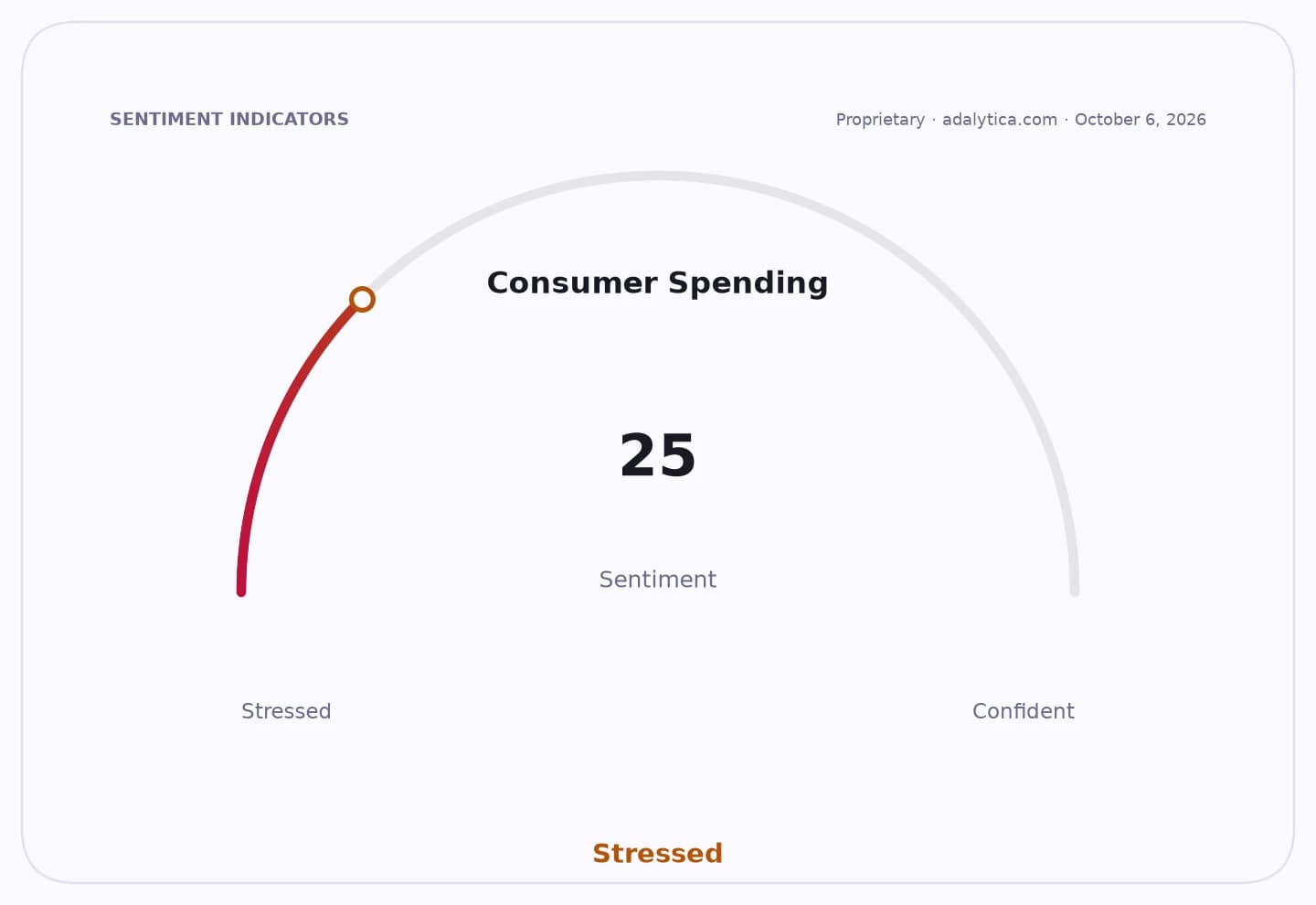
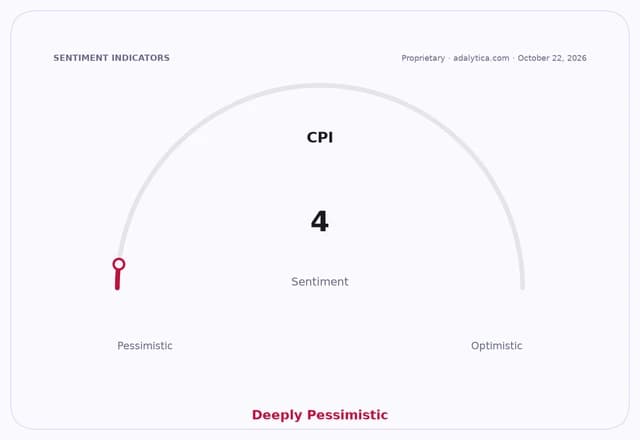
Sentiment IndicatorsⓘProprietary · adalytica.com · October 22, 2026
This is a snapshot — live sentiment, awareness and momentum for 130+ markets update continuously in the dashboard.Open AlphaPulse
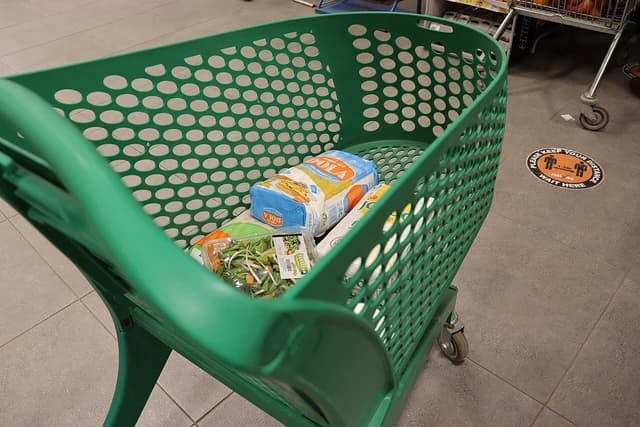
That matters because groceries are not discretionary. When prices stay high, consumers change behavior fast — buying less, wasting less, switching to store brands and moving to the retailer that promises the lowest total bill. Adalytica’s CPI sentiment gauge is in “Extreme Fear” at 4, underscoring how little confidence households have that inflation relief is arriving soon. Consumer spending sentiment is only neutral, but awareness is in “Extreme Fear,” a sign that shoppers are still focused on survival, not splurging.
That is exactly the environment that favors Walmart over more vulnerable competitors. Walmart shares have been resilient, with the stock recently trading above both its 50-day and 200-day moving averages, even after a sharp pullback and rebound in the past few months. By contrast, Target’s share price remains more fragile and sits closer to its longer-term average after much sharper volatility. The market is effectively saying that if shoppers are stretched, they will still pay up for essentials — but they will do it at the cheapest national scale operator.
Costco is also a beneficiary, though for a different reason: inflation makes membership clubs look even more attractive when consumers want bulk value and fewer trips. Costco’s stock has regained momentum after a rough stretch, and the move back toward the $1,000 area shows investors are willing to pay for scale, pricing power and traffic resilience. But on a pure mass-market basis, Walmart remains the more direct play on an economy where grocery budgets are stretched and price sensitivity is intensifying.
The opportunity is not just in the retailers themselves. Persistent food inflation supports the whole value chain tied to bargain hunting, private-label penetration, warehouse clubs, discount supply chains and digital tools that help consumers compare prices. Even the practical advice consumers are being given — shop from home first, reduce food waste, use AI to plan meals and match coupons — points to the same thesis: inflation is forcing efficiency, and efficiency favors the lowest-cost operators.
I believe the market underestimates how durable this trade-down cycle can be. As long as wages lag sticky grocery inflation and households remain in defense mode, Walmart should keep taking share, Costco should keep benefiting from bulk-value demand, and Target will have to work harder to defend traffic. For investors, that means owning the retailers built for inflation, not the ones hoping it fades.
| Entity | Gains | Losses |
|---|---|---|
| Walmart | ▲Trade-down traffic | ▼Premium-margin rivals |
| Costco | ▲Bulk-value demand | ▼Small-format grocers |
| Target | ▲Some value seekers | ▼Share from Walmart |
| Consumers | ▲Coupon and waste savings | ▼Purchasing power |