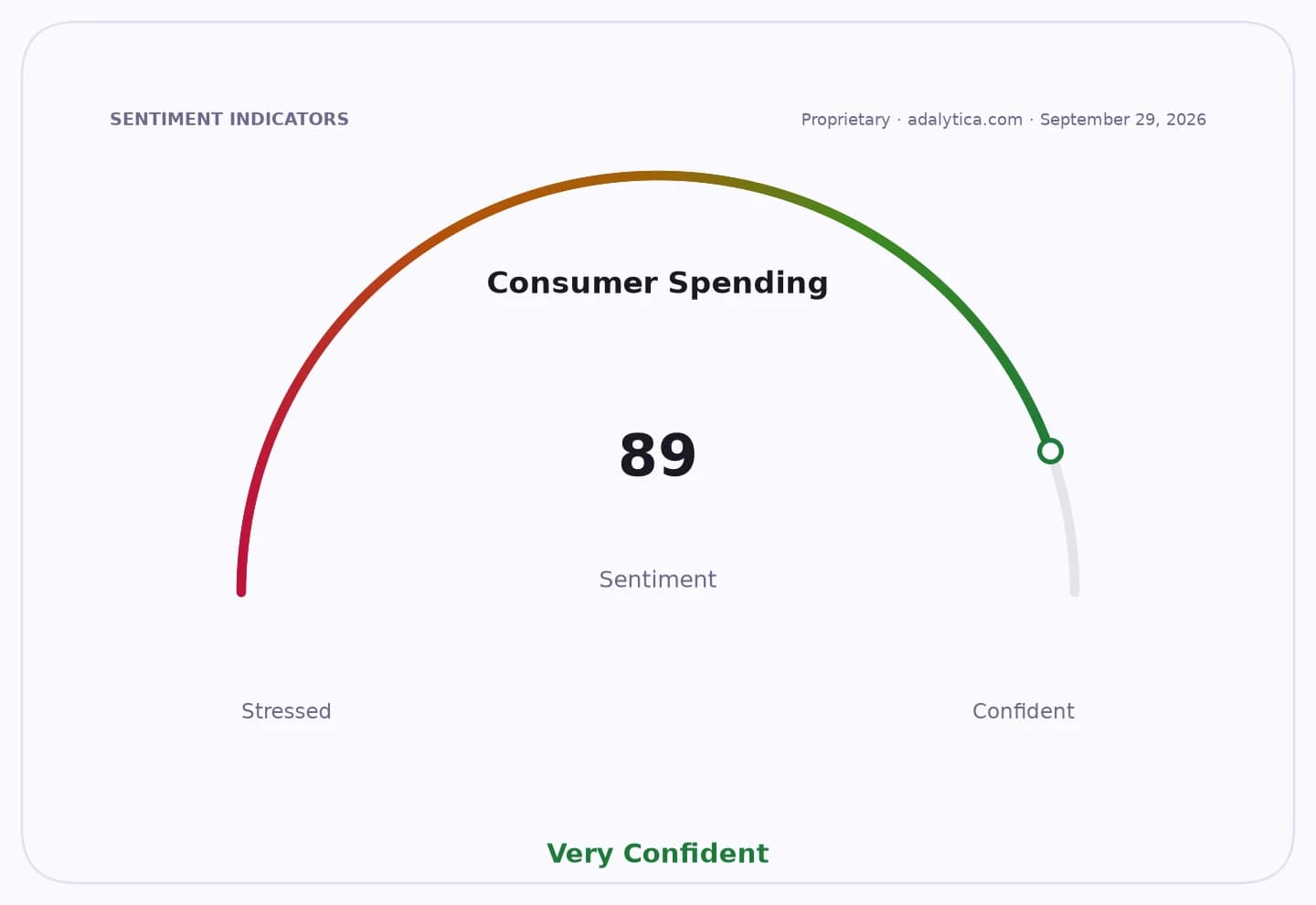
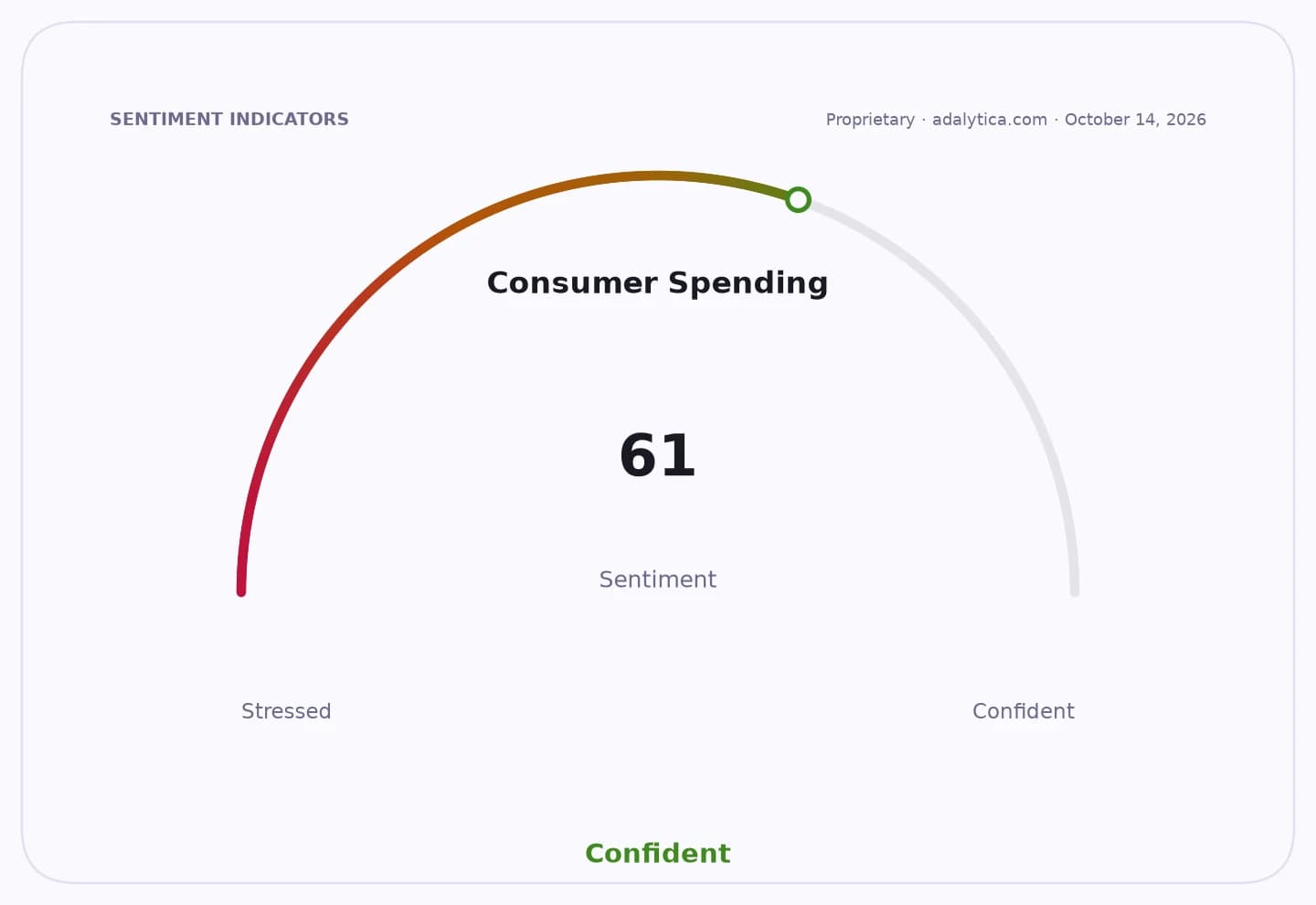
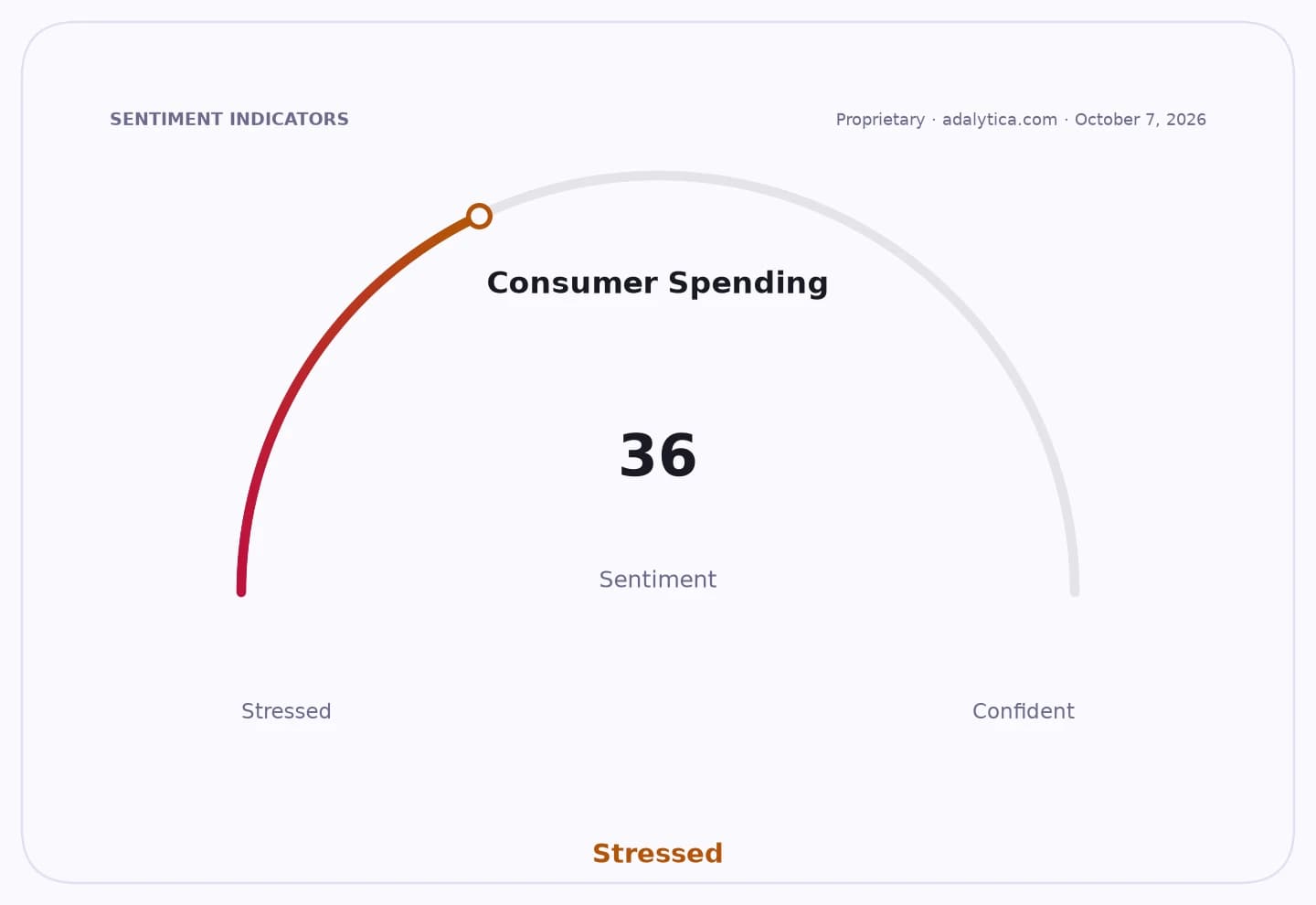
Walmart climbed 3% on Monday as hotter-than-expected September inflation pushed investors toward consumer staples and other defensive retailers, even as the broader market sold off.
Walmart Rises on Hot Inflation and Defensive Buying

The move put the world’s largest retailer ahead of a weak tape that saw the SPDR S&P 500 ETF fall 1.33% and the SPDR S&P Retail ETF slip 0.5%. Costco rose 2% and Target added 0.9%, underscoring a rotation into chains that sell food, household goods and other essentials when inflation makes shoppers more cautious.
Sentiment IndicatorsⓘProprietary · adalytica.com · October 16, 2026
This is a snapshot — live sentiment, awareness and momentum for 130+ markets update continuously in the dashboard.Open AlphaPulse
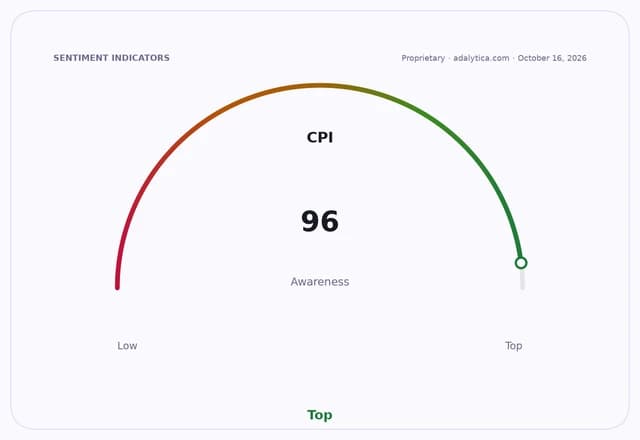
The inflation print matters because it changes the market’s read on Federal Reserve policy and consumer demand at the same time. A hotter CPI increases the odds of tighter financial conditions for longer, which typically pressures growth stocks and lifts companies viewed as more insulated from spending slowdowns.
For Walmart, the bid also reflects a simple earnings trade: investors expect more traffic to the discount aisle when households feel squeezed. That said, the stock’s valuation remains a constraint, with shares trading around 41 times earnings, leaving less room for disappointment if higher input costs flow through goods, labor and benefits.
Costco’s gains were similarly tied to its membership model and bulk-value appeal, while Target’s smaller advance reflected its bigger exposure to discretionary spending. The day’s price action shows how inflation can redirect capital inside retail rather than out of the sector entirely.
Walmart also had company-specific support after telling U.S. associates it is adding benefits for the coming plan year, including a zero-dollar prescription tier, a rare-conditions center of excellence and dedicated paid leave for parents of newborns in intensive care. The move may help retention, but it also adds to cost pressure just as inflation is running hotter.
For investors, the key question is whether defensive buying can outweigh margin pressure if inflation stays sticky. The next read on consumer prices and any Fed response will determine whether this rotation deepens or fades.
| Entity | Gains | Losses |
|---|---|---|
| Walmart | ▲Defensive inflows; traffic to essentials | ▼Margin pressure from higher costs |
| Costco | ▲Safe-haven retail demand | ▼Exposure to inflation-driven expense creep |
| Target | ▲Modest defensive bid | ▼More cyclical discretionary mix |
| Growth stocks | ▲— | ▼Higher-rate fears; valuation pressure |