Chicken prices in Egypt were steady on Wednesday at 75 to 76 pounds a kilogram at the farm gate, but the bigger story is that the market is being pulled between easing local supply pressures and still-elevated input costs that could keep poultry inflation sticky.
Egypt chicken prices steady at 75-76 pounds
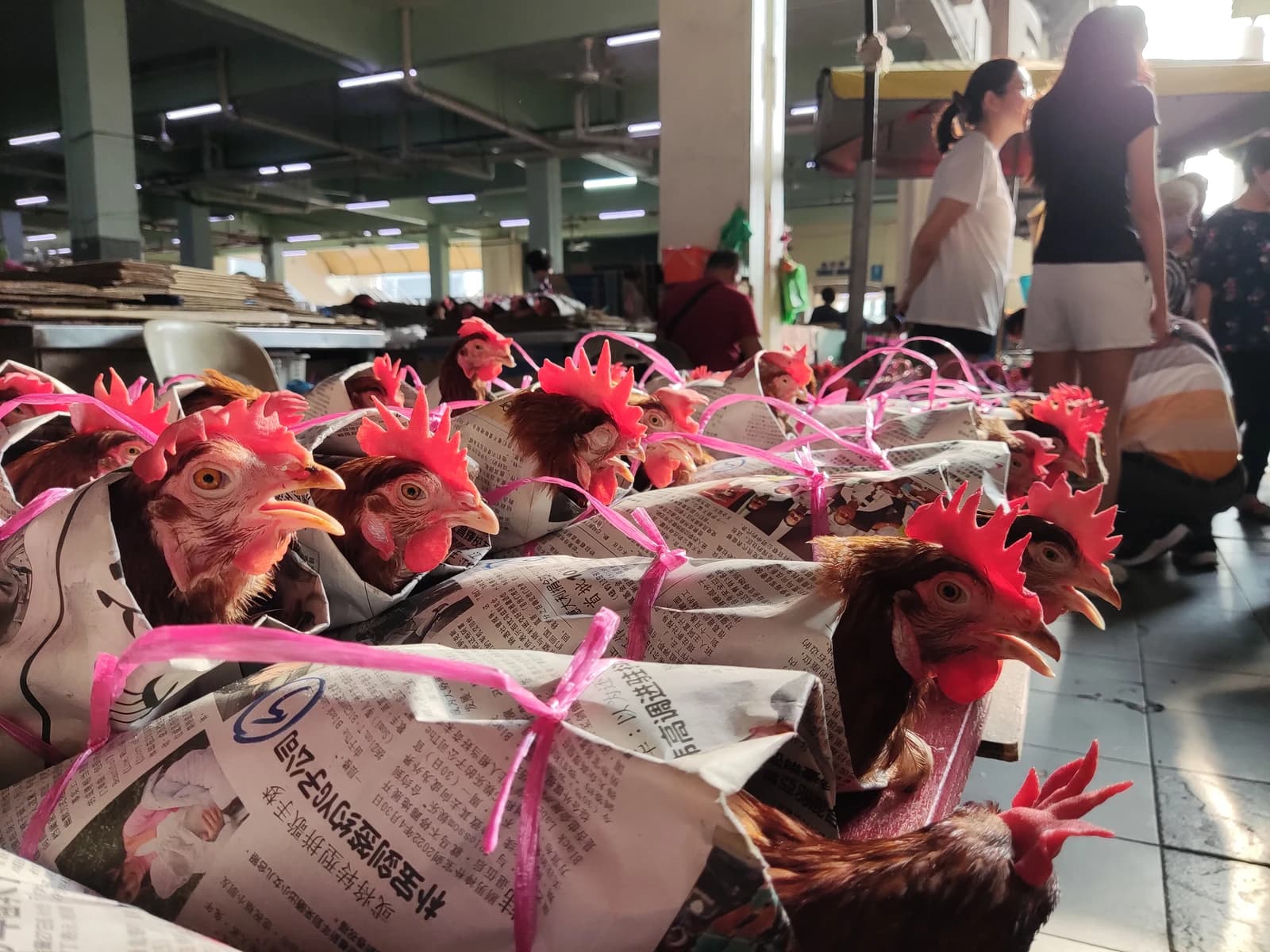
The stability matters because chicken is Egypt’s main affordable animal protein and one of the most politically sensitive food items in the country. With white chicken output rising to 1.6 billion birds from 1.4 billion a year earlier, production is expanding fast enough to limit a sharper consumer squeeze, yet the sector remains exposed to feed, chick and veterinary medicine costs that can quickly feed through to retail pricing.
Sentiment Indicators
That cost pressure is visible in the broader data. Global crude benchmarks have been volatile, with WTI’s latest October moves back above $107 a barrel after a sharp swing in recent months, a reminder that fuel-linked logistics and grain production costs can remain unstable. Inflation also remains elevated by international standards, with the U.S. CPI index at 336.3 in September and factory-gate prices at 295.7, underscoring how persistent input-cost pressures have been across commodities and food chains.
Egypt’s poultry industry is large enough that these price moves matter well beyond farms. Officials say the sector supports about 3.5 million direct and indirect jobs and includes more than 27,000 farms. The government is trying to cushion the industry by arranging concessional financing with the National Bank of Egypt and the Agricultural Bank of Egypt to help growers buy feed, chicks, medicines and vaccines, while also financing upgrades from open sheds to closed systems that improve efficiency and disease control.
For investors, the implication is a classic margin-versus-volume trade-off. Lower or stable farm-gate prices can support consumption and reduce the risk of demand destruction, but they do not necessarily translate into higher profitability if feed and operating costs stay elevated. That is the central issue for poultry producers, feed suppliers and agribusiness lenders: whether output growth can outpace cost inflation without squeezing margins.
The sector’s export push is the other important angle. Egyptian authorities are seeking new markets in Arab, African and international destinations after the country was approved under the World Organisation for Animal Health framework for isolated poultry facilities. If that opening gains traction, it could absorb part of the domestic surplus and support prices, but it also raises the stakes for biosecurity and production standards.
For now, the market message is one of relative calm rather than relief. White chicken is holding near 75 pounds in the public exchange, while retail prices are broadly higher depending on region. The next move will likely depend less on local demand than on feed costs, currency conditions and how quickly Egypt can turn its production boom into exportable supply.
| Entity | Gains | Losses |
|---|---|---|
| Poultry farmers with efficient operations | ▲Stable sales volumes | ▼Input-cost pressure |
| Egyptian consumers | ▲No sharp near-term spike | ▼No major price relief |
| Government and lenders | ▲Sector stability, job support | ▼Higher subsidy/credit burden |
| Feed suppliers and low-margin producers | ▲Demand for inputs | ▼Margin squeeze if costs rise |