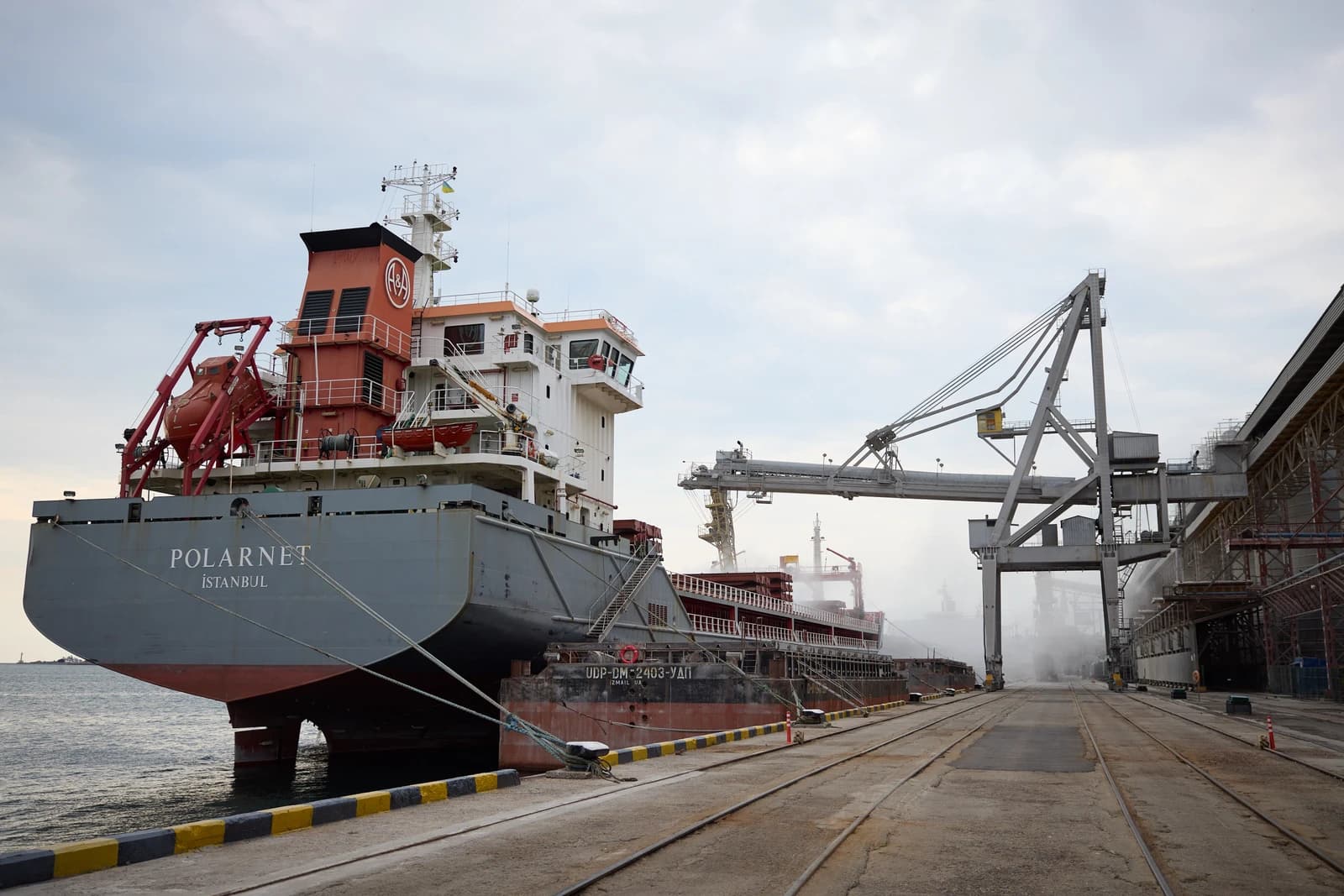
Egypt’s commodity exchange is emerging as a pressure valve for one of the country’s most sensitive food inputs, with 63 companies buying about 24.7 thousand tons of imported wheat in the exchange’s third trading session as import costs and supply risks keep food markets under strain.
Egypt wheat exchange sells 24.7k tons

The sale, worth 416 million Egyptian pounds, matters because wheat is the backbone of Egypt’s flour and bread supply chain. By shifting procurement into a more organized market, the exchange is helping mills and grain firms secure supplies and reduce exposure to the kind of price swings that can quickly ripple into flour costs, bakery pricing and broader food inflation.
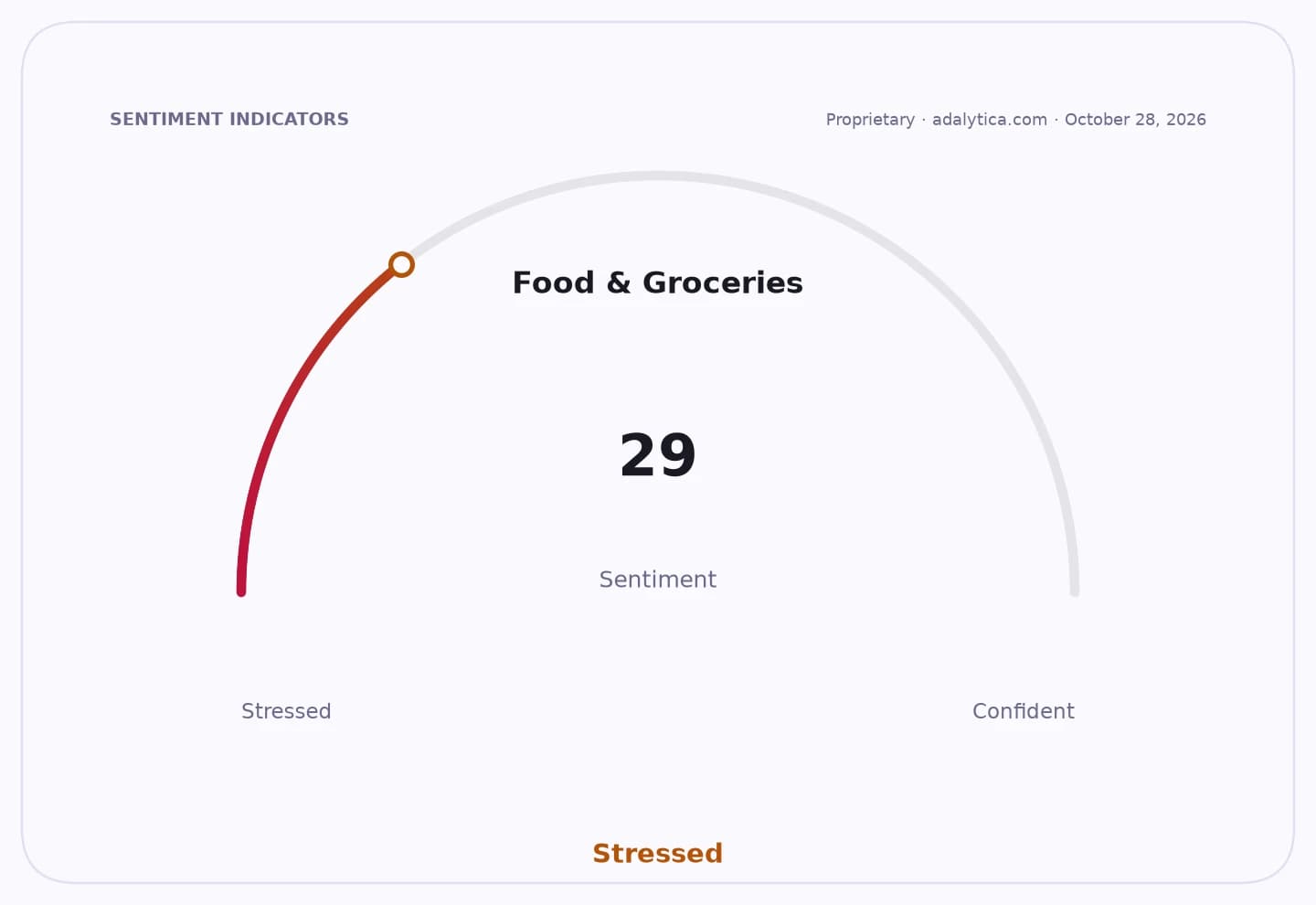
Sentiment Indicators
Food & Groceries
That is the real investment story here: not just a successful auction, but a deliberate attempt to build a more transparent wheat marketplace at a time when global grain prices remain vulnerable to geopolitics and trade disruptions. The exchange said the mechanism is designed to balance supply and demand and stabilize local prices, especially as international wheat markets have been pressured by geopolitical tensions and freight-route uncertainty.
The scale is also improving. The first imported-wheat session sold 6.715 thousand tons to 21 companies for 111.8 million pounds. The latest round was nearly four times larger by volume, suggesting the exchange is gaining traction with mills and grain buyers that need reliable access to inventory rather than spot-market exposure.
For investors, that has implications beyond Egypt. A more disciplined procurement system can support margins for mills and food producers by lowering input volatility, while also reinforcing the role of state-linked market infrastructure in securing staple food supply. It also keeps the spotlight on the beneficiaries of higher and more persistent grain trade: commodity traders, logistics firms, storage operators and wheat suppliers that can route product through formal exchange channels.
The broader backdrop remains constructive for wheat-related assets. Global wheat prices have been elevated, and while Chicago and European futures have eased at times on hopes of reduced Black Sea tensions, the market is still pricing in supply fragility. In that environment, countries that can organize imports faster and more transparently are better positioned to cap domestic inflation and protect food availability.
The market underestimates how important these exchange-based procurement channels can become if imported wheat remains expensive and politically sensitive. Egypt is not just buying grain; it is building a mechanism to manage food inflation. That makes the exchange itself, and the supply chain around it, a structural winner as long as wheat stays a strategic commodity.
| Entity | Gains | Losses |
|---|---|---|
| Egyptian mills and grain firms | ▲More reliable wheat access | ▼Spot-price volatility |
| Consumers and food producers | ▲More stable flour costs | ▼Bread and input inflation |
| Commodity exchange and state-linked buyers | ▲Higher trading volume | ▼Informal procurement channels |
| Wheat exporters and traders | ▲Formalized demand channel | ▼Disrupted pricing power |