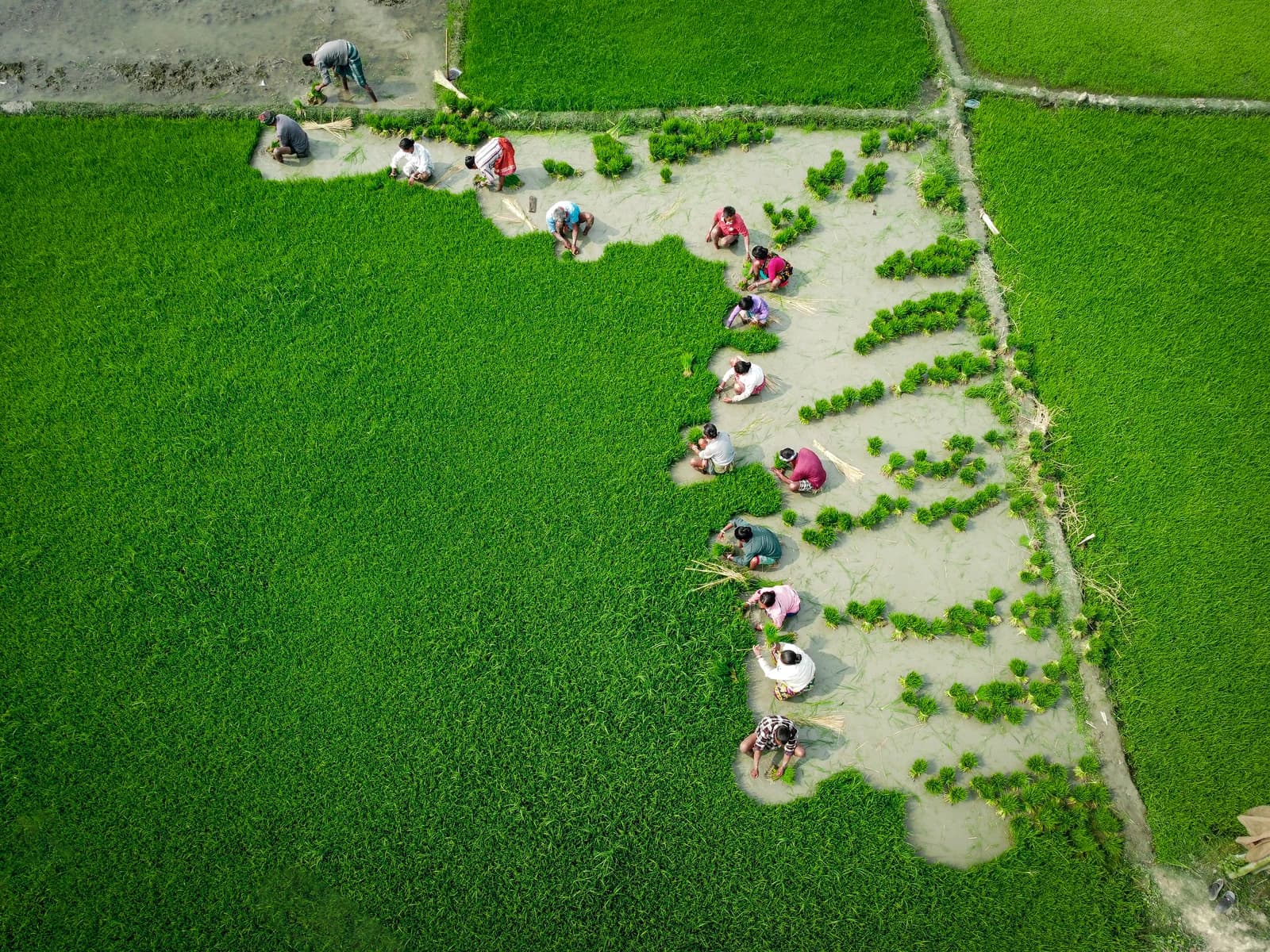
Pakistan is preparing to raise its wheat support price to Rs 4,500 per maund in 2027, a move that could strengthen farm incomes, encourage planting and reduce the country’s dependence on imported grain.
Pakistan wheat support price rises to Rs 4,500 in 2027
The proposed price is Rs 1,000 higher than the previous year’s level of Rs 3,500, a sharp jump that reflects the government’s attempt to offset rising diesel costs, fertilizer bills and broader inflation squeezing rural producers. For a country that has had to import wheat in the past two years, the policy is more than a gesture to farmers: it is a signal that Islamabad wants to rebuild domestic supply and stabilize food security before the next crop cycle.
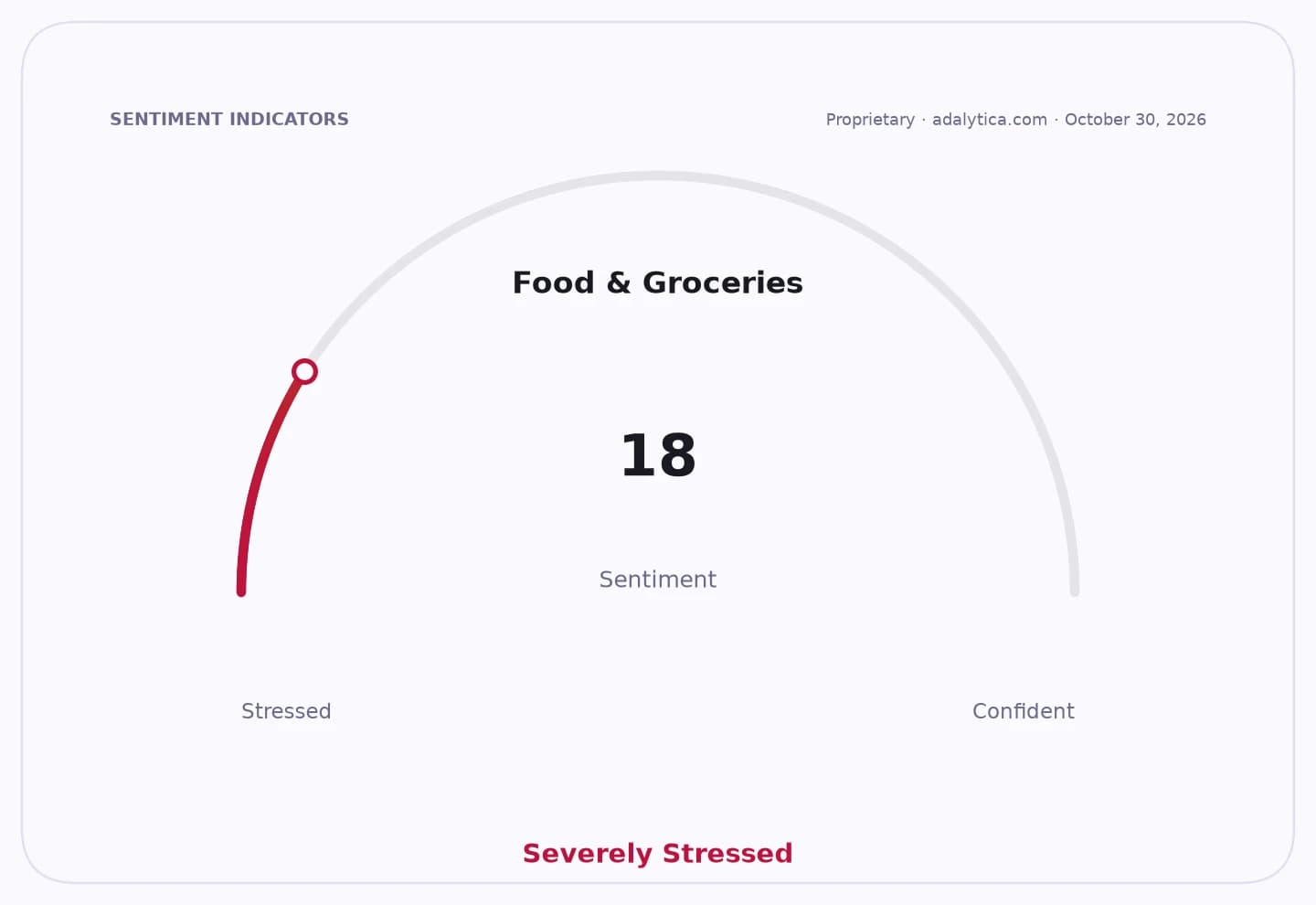
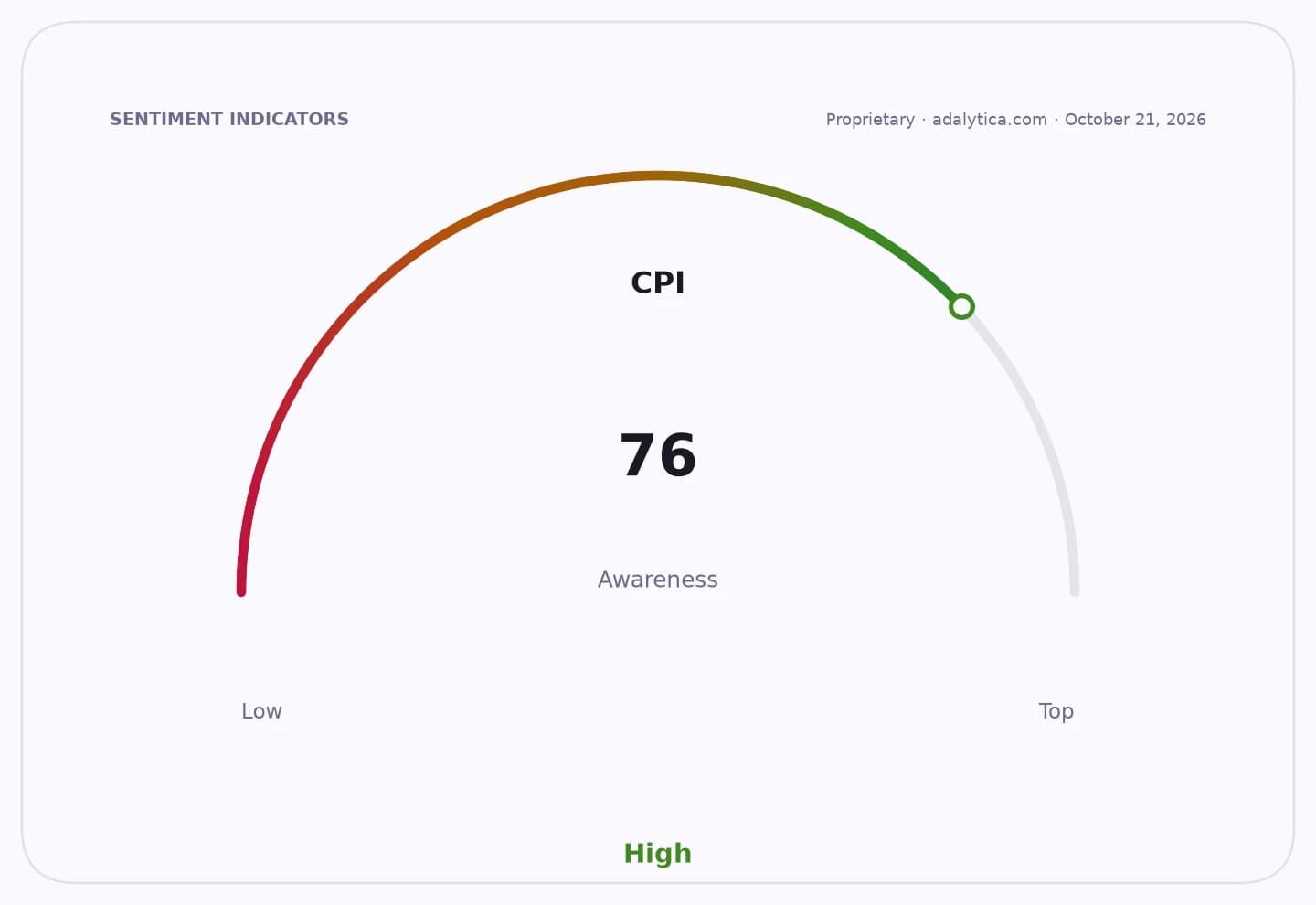
Sentiment Indicators
That matters economically because wheat is the backbone of Pakistan’s food basket. If growers respond by increasing acreage and investing more heavily in inputs, the policy could support domestic output and narrow the gap between local supply and demand. If they do not, the government risks locking in higher procurement costs without delivering the production boost it wants. Either way, the new floor price will ripple through the food chain, affecting flour mills, retailers and household budgets in a country already battling inflation.
The timing also intersects with a wider commodity backdrop that has kept food producers on edge. Global crude has remained volatile, keeping transport and farm operating costs elevated, while U.S. agricultural gauges point to a choppy market for grains and broader farm commodities. The Wheat ETF, tracked by the ETF WEAT, has been under heavy pressure recently, with its relative strength index sliding into deeply oversold territory after a sharp drop below its 50-day and 200-day moving averages. That tells you the market is still pricing in stress across the wheat complex even as some governments move to protect domestic supply.
For investors, the message is that agricultural policy is becoming a bigger driver of returns than many expect. Higher support prices can lift local farm cash flows, but they also reinforce the case for beneficiaries farther up the food and input chain: grain traders, fertilizer makers, seed suppliers, storage operators and ag equipment names with exposure to emerging-market crop investment. The market often treats these moves as isolated politics; in reality, they are part of a broader global scramble to secure calories, cap food inflation and insulate economies from import dependence.
Pakistan’s wheat decision should be read as a defensive policy with offensive market implications. It is designed to buy food security, but it also creates a clearer investable theme: countries are being forced to pay up for domestic production, and that capital will flow into the agricultural infrastructure needed to make higher prices translate into real output. The key question now is whether growers, not just policymakers, believe the incentive is large enough to act.
| Entity | Gains | Losses |
|---|---|---|
| Pakistani wheat farmers | ▲Higher procurement price | ▼None if costs stay contained |
| Pakistan government | ▲Better food security narrative | ▼Higher subsidy and procurement burden |
| Flour millers and consumers | ▲Potentially steadier supply | ▼Higher bread and flour costs |
| Ag-input suppliers and grain traders | ▲More planting and trade activity | ▼Margin pressure if policy fails |