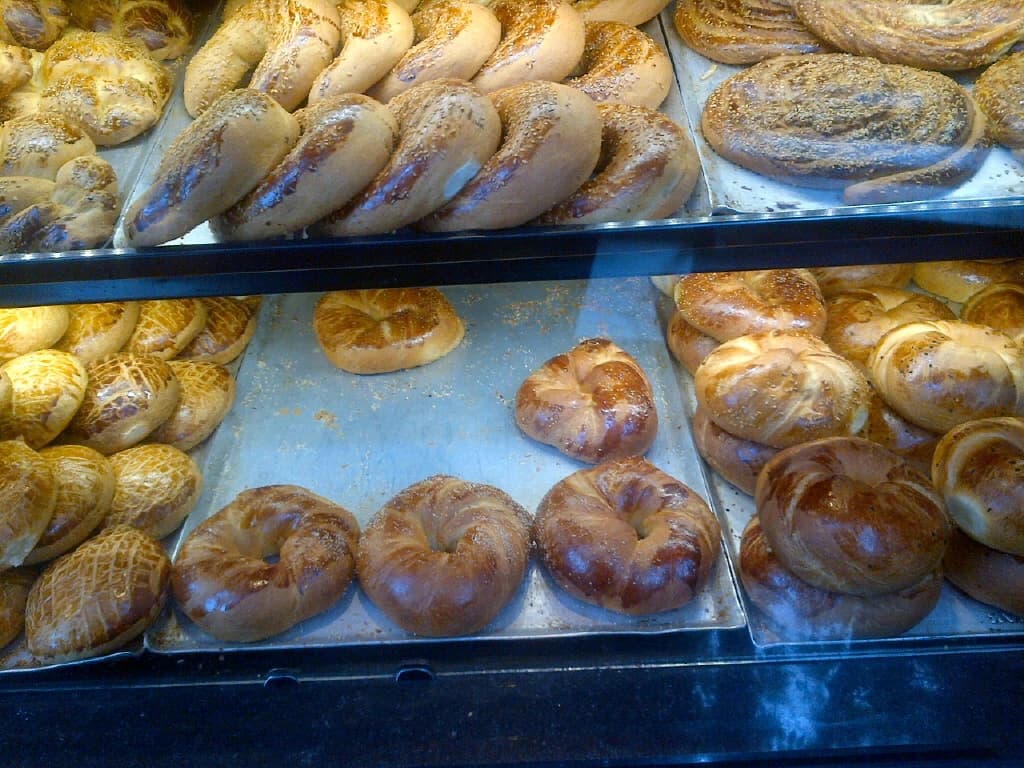
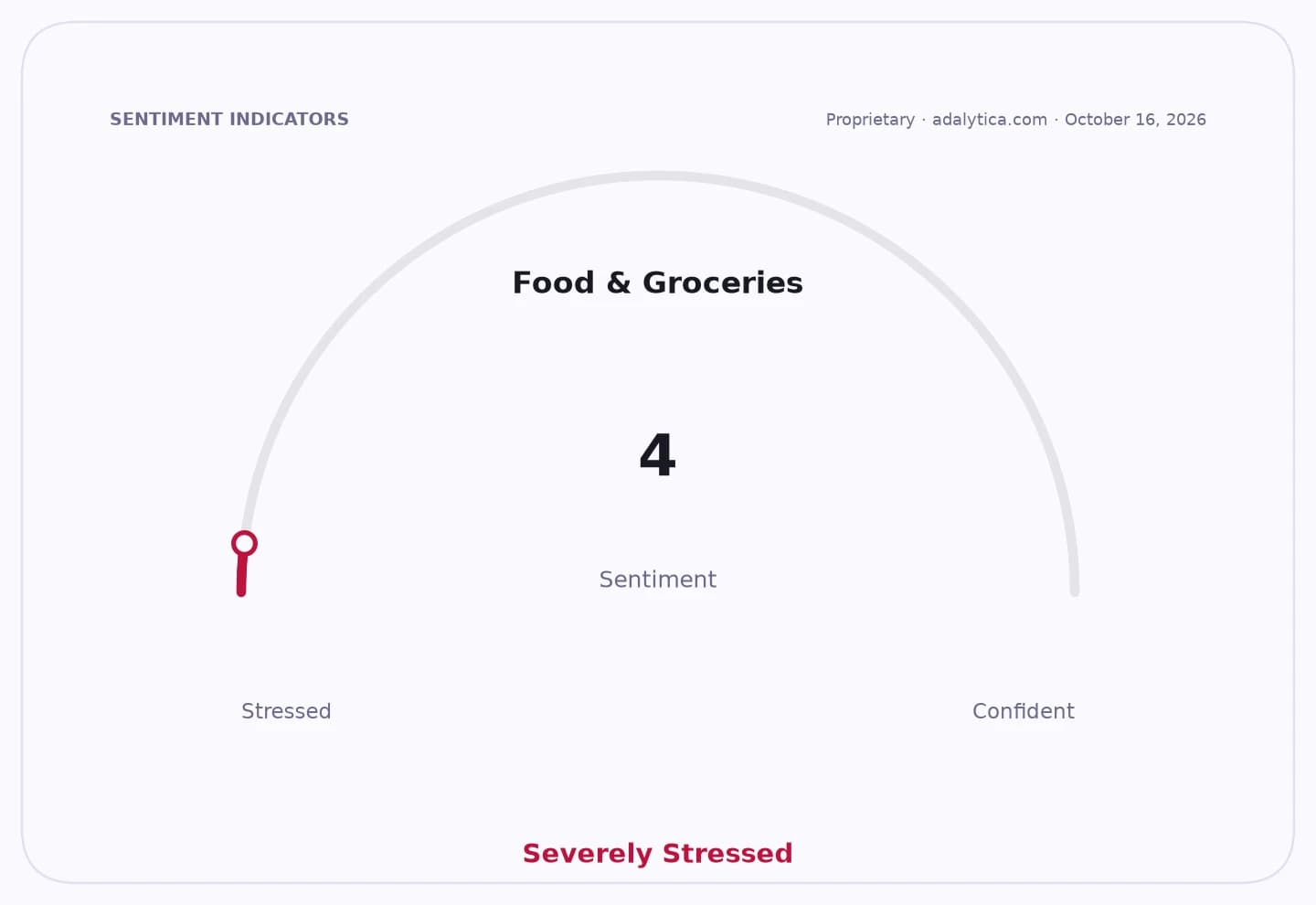
Lahore’s bread price has climbed 3 rupees to 20 rupees a piece, underscoring how food inflation is feeding through to daily staples even as households face smaller portions and higher fuel costs.
Lahore bread price rises to 20 rupees
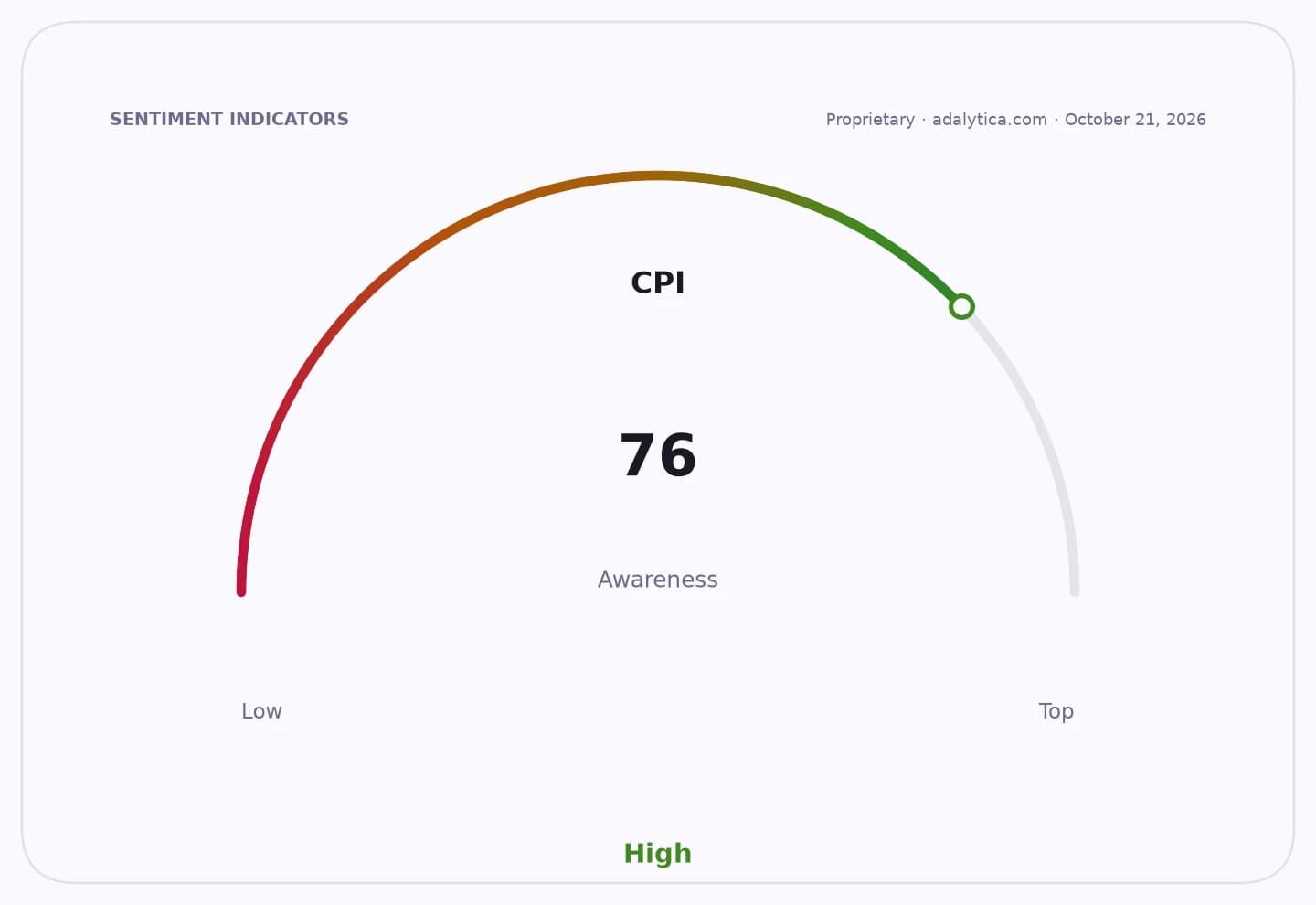
The increase from 17 rupees comes after tandoor owners said flour and maida bags have become more expensive, while the dough ball used for each bread has also been reduced in weight. For consumers, that means paying more for less in a market where staple prices are among the fastest-moving indicators of household stress.
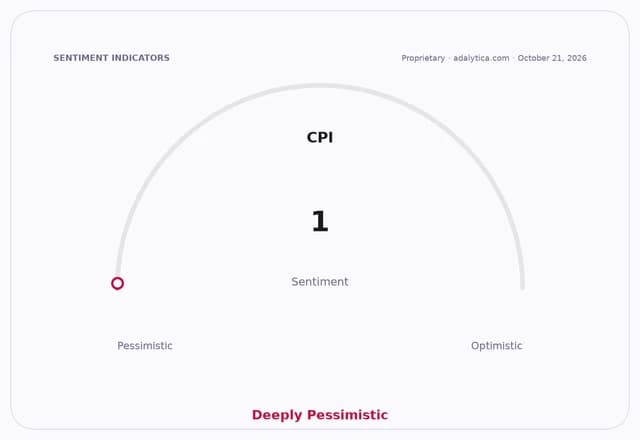
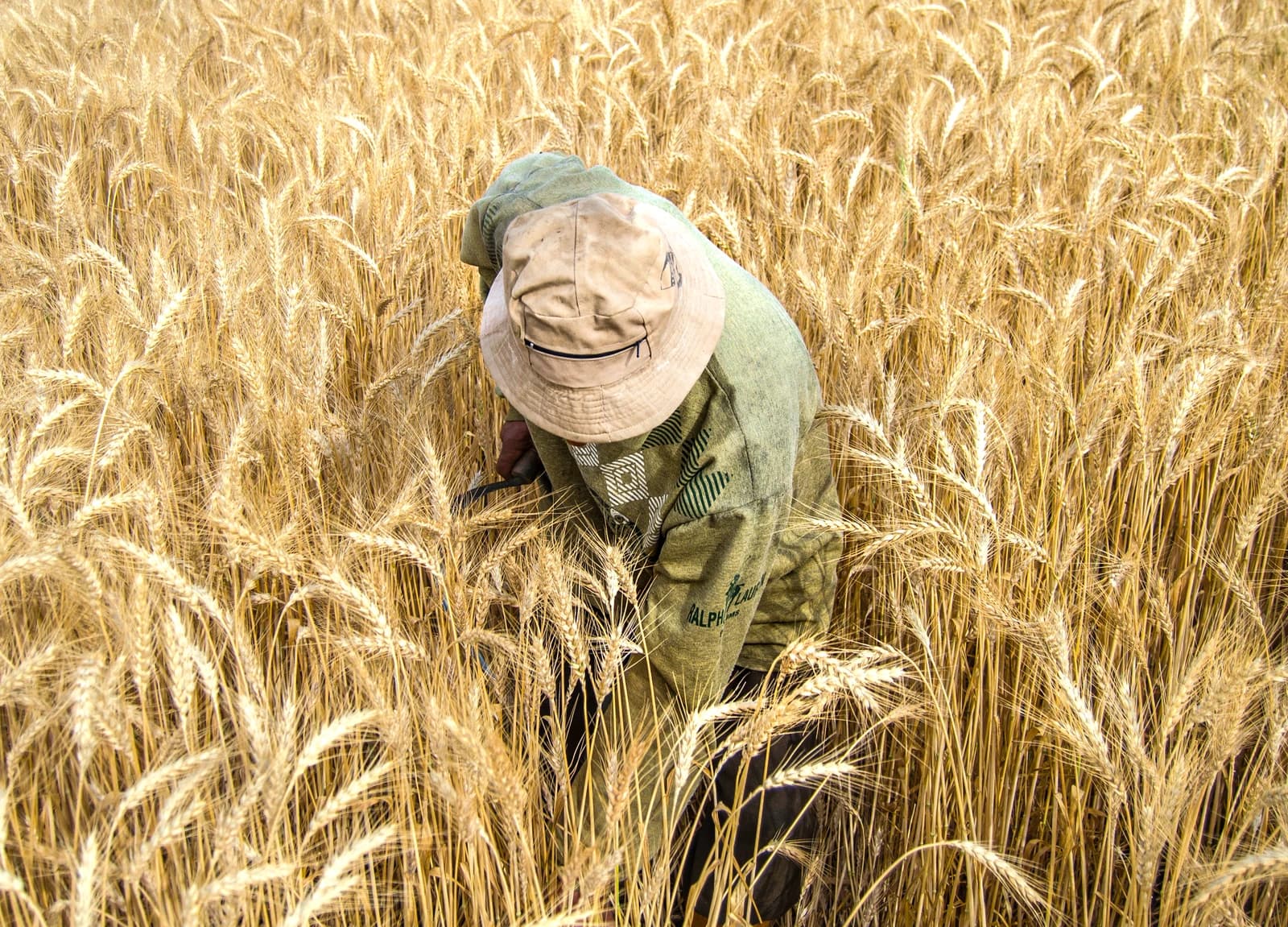
The change also reflects a wider squeeze on the food chain. Bakers say wheat prices are rising every week and that they are operating with expensive gas cylinders because piped gas is unavailable, adding energy costs to already elevated ingredient prices. That combination lifts the floor under retail food inflation and leaves little room for small vendors to absorb costs.
For investors and policymakers, the Lahore price move is another reminder that food inflation remains sticky in Pakistan, where staples like bread are highly visible and politically sensitive. Persistent increases in basic food items can pressure consumer spending, force authorities to consider subsidy or supply interventions, and keep inflation expectations elevated.
The broader risk is that continued wheat and energy cost pressure will spread beyond bread to other household essentials, making inflation harder to tame and squeezing real incomes further unless supply conditions improve.
| Entity | Gains | Losses |
|---|---|---|
| Tandoor owners | ▲Higher selling prices | ▼Demand sensitivity |
| Wheat and flour suppliers | ▲Stronger pricing power | ▼None immediately |
| Lahore households | ▲None | ▼Higher staple costs |
| Policymakers | ▲Inflation focus | ▼Public pressure |