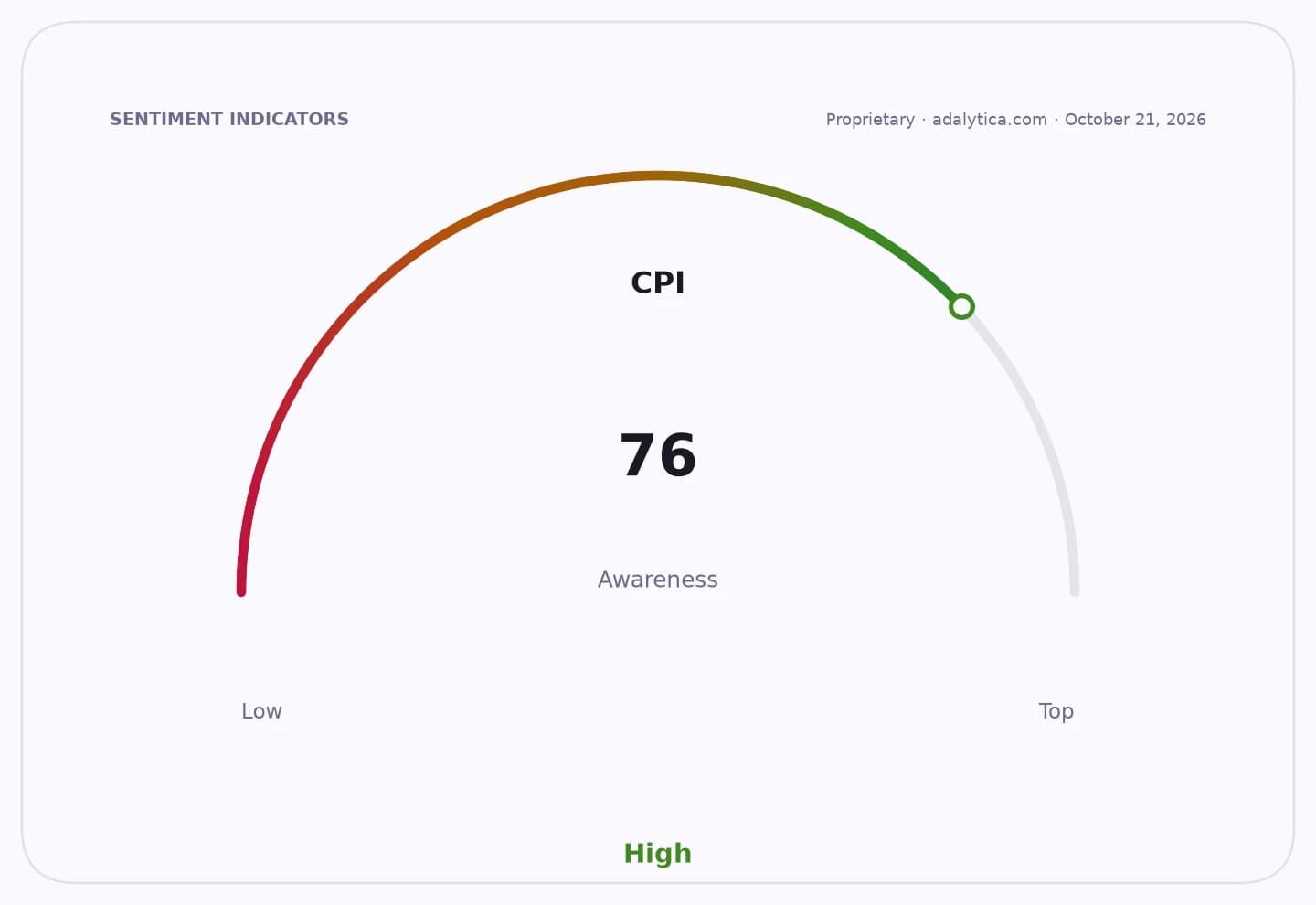
Pakistan’s weekly Sensitive Price Index eased 0.04% in the week ended Oct. 16 as sharp drops in tomato, onion and banana prices offset gains in staples such as wheat flour, chicken and pulses, underscoring how volatile food and fuel costs remain for households even as the weekly gauge cooled.
Pakistan SPI Falls 0.04% as Food Prices Stay High
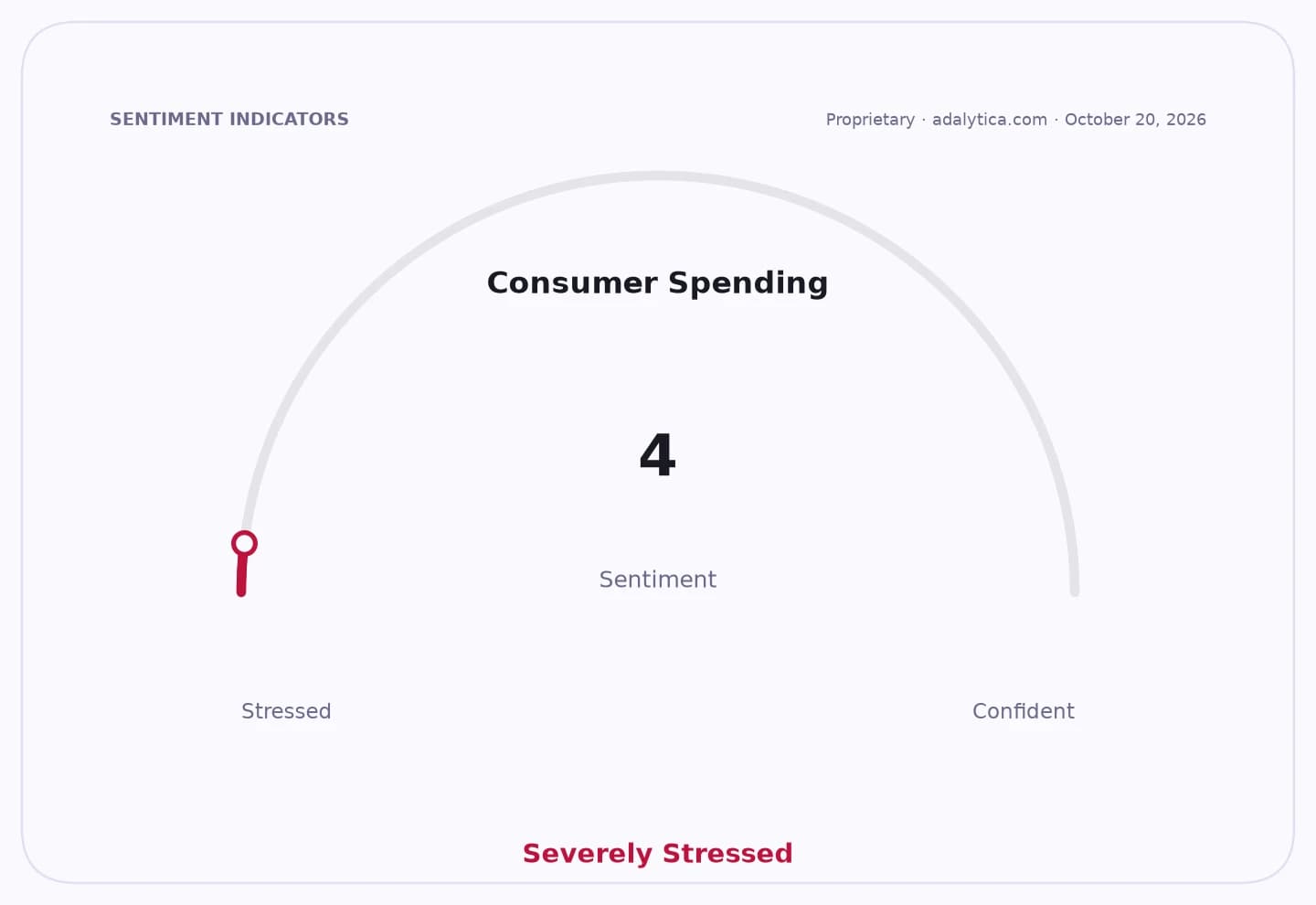
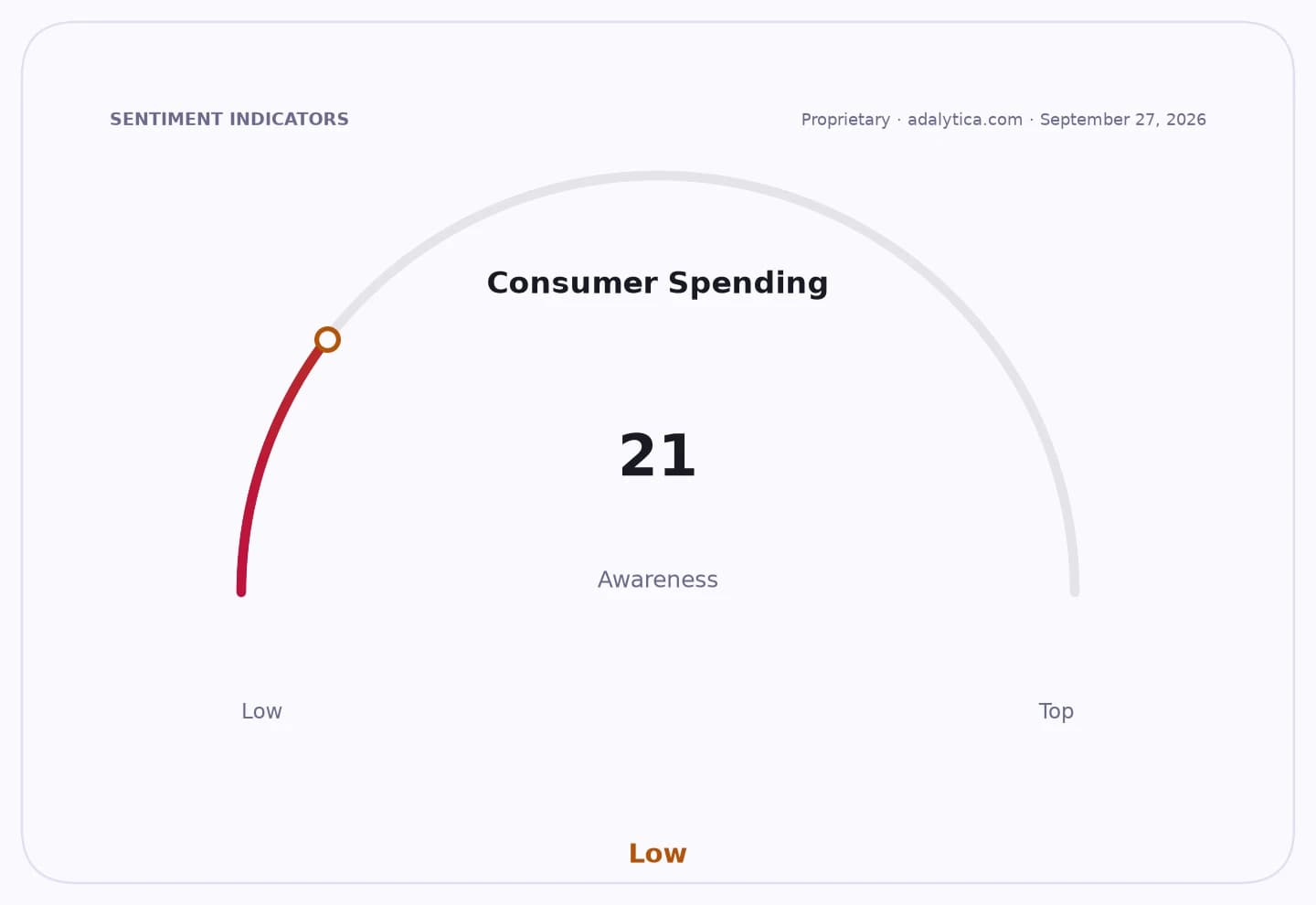
The small decline offers only limited relief for consumers. The Pakistan Bureau of Statistics said tomatoes fell 23.05% on the week, onions 4.90% and bananas 2.59%, while petrol slipped 0.70% and sugar 0.62%. Offsetting that, pulse gram jumped 4.97%, wheat flour rose 3.36%, chicken gained 3.31% and LPG climbed 0.42%.
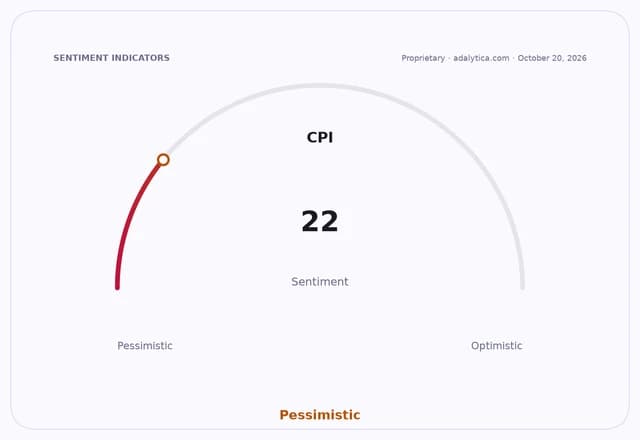
For policymakers, the bigger signal is the annual trend. SPI inflation was still up 11.38% year on year, driven by steep increases in onions, LPG, electricity, petrol, diesel and wheat flour. That keeps pressure on Pakistan’s already stretched household budgets and complicates the outlook for real incomes and consumption.
The basket composition also shows the pressure is broad-based rather than isolated. Of 51 tracked items, 23 rose, seven fell and 21 were unchanged, a pattern that suggests easing in a handful of vegetables is not yet translating into durable disinflation across essentials.
The weekly move is unlikely to alter the macro debate on its own, but it matters because Pakistan’s food and energy prices feed quickly into headline inflation, wage expectations and subsidy demands. If staples keep rising, the central bank and fiscal authorities face less room to support growth without reigniting price pressure.
| Entity | Gains | Losses |
|---|---|---|
| Consumers | ▲cheaper tomatoes, onions | ▼higher flour, chicken, LPG |
| Food retailers | ▲lower produce costs | ▼weaker pricing power on staples |
| Pakistani households | ▲slight weekly relief | ▼continued 11.38% annual inflation |
| Policymakers | ▲softer weekly SPI headline | ▼pressure to contain food inflation |