Pakistan’s weekly inflation edged up 0.21% in the latest reading, a reminder that price relief remains fragile even after some fuel and staple food items eased. For investors, the bigger message is that persistent inflation in essentials is still squeezing household purchasing power, complicating the policy path and keeping pressure on consumption-driven sectors.
Pakistan weekly inflation rises 0.21% as food costs stay high
The Sensitive Price Index rose for the week ended Oct. 1 as chicken jumped 7.25%, garlic 1.85%, pulse gram 1.30% and LPG 1.17%, according to the Pakistan Bureau of Statistics. That matters because the SPI is a high-frequency gauge of what lower- and middle-income households are actually paying at the grocery store and at the pump, not just an abstract headline measure.
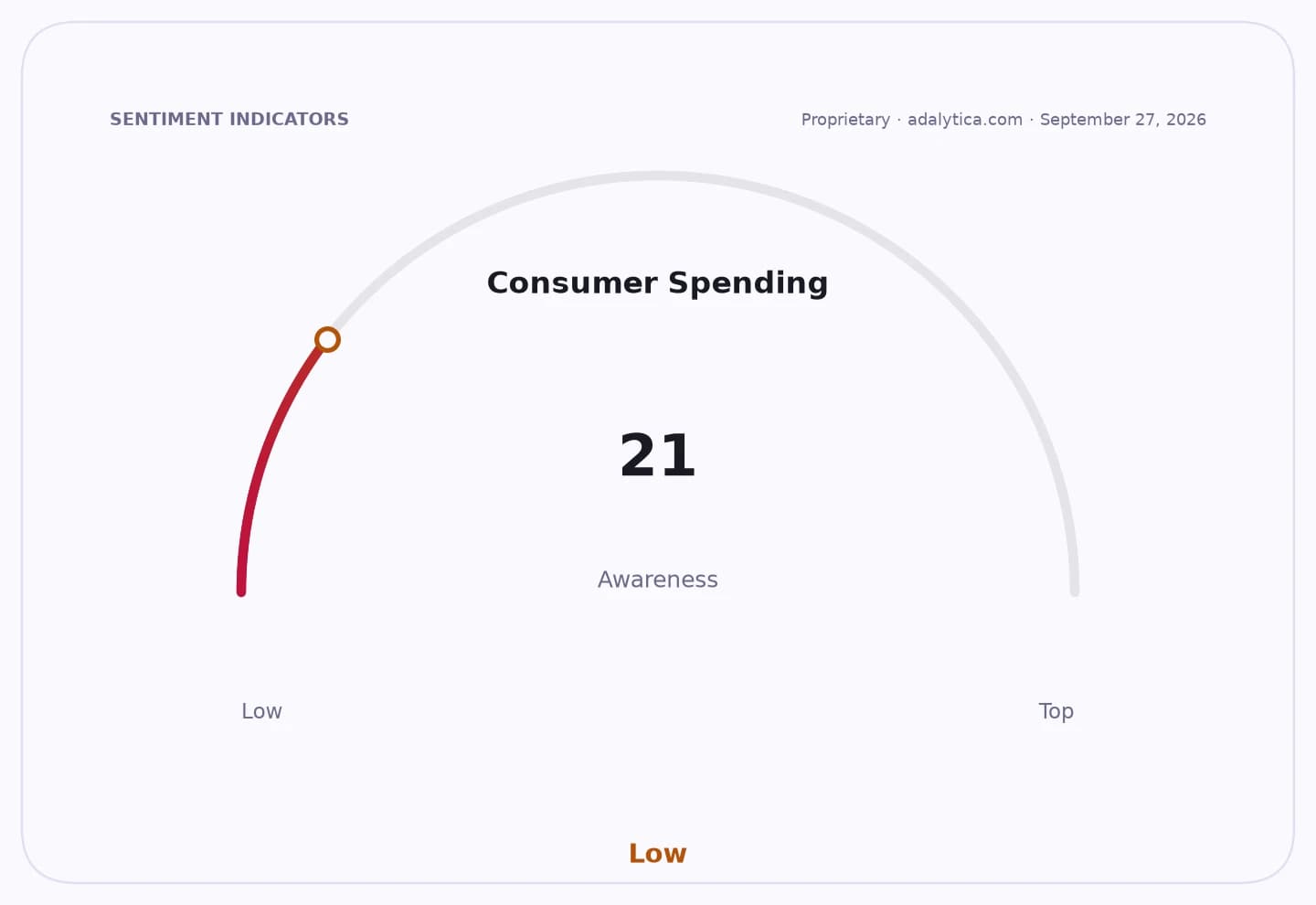
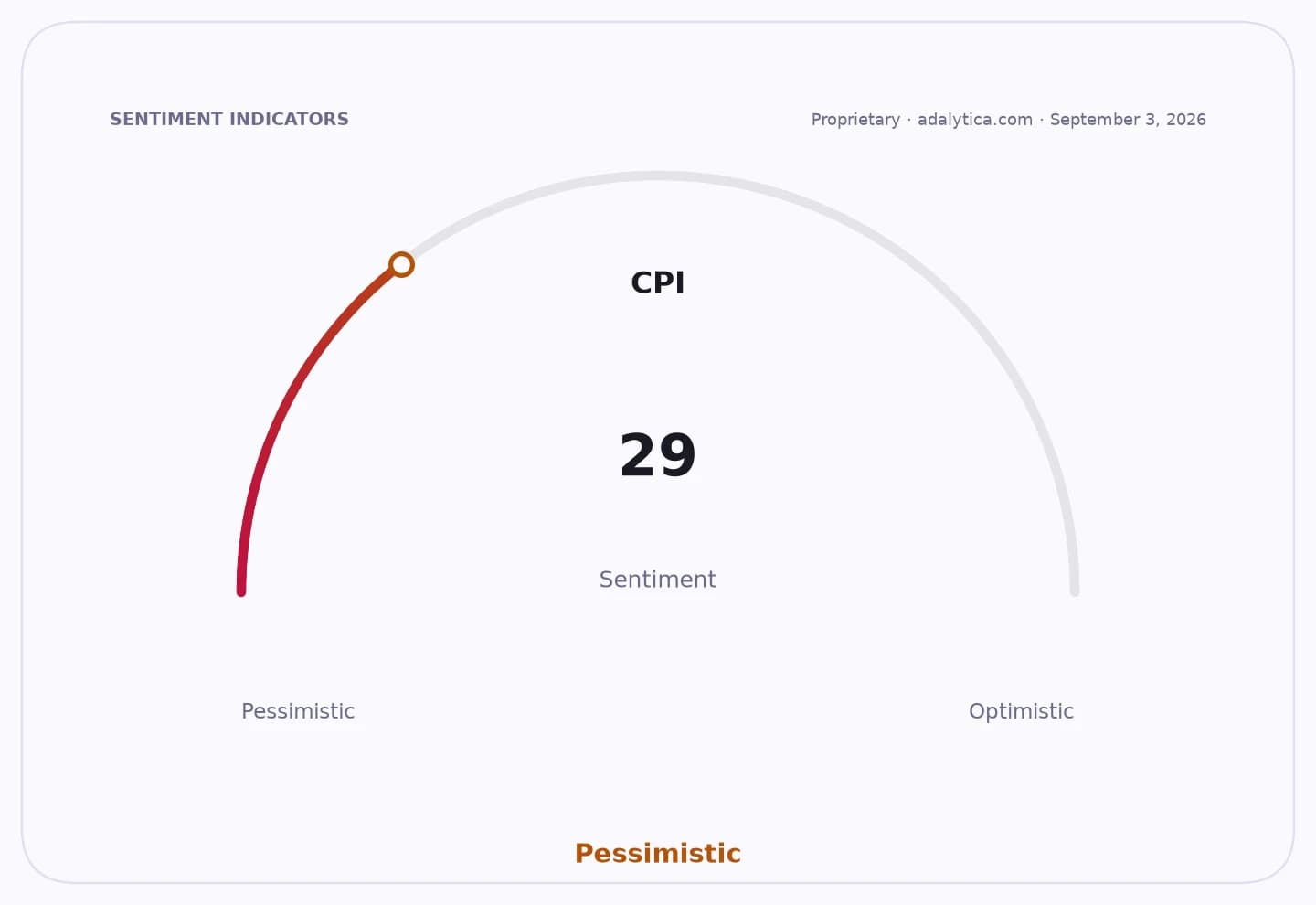
Sentiment IndicatorsⓘProprietary · adalytica.com · October 3, 2026
This is a snapshot — live sentiment, awareness and momentum for 130+ markets update continuously in the dashboard.Open AlphaPulse
There was some offset from declines in diesel, petrol, sugar and potatoes, but the broader pattern remains one of stubbornly elevated living costs. On a year-on-year basis, the SPI was still up 11.53%, driven by surging onions, LPG, electricity, diesel, petrol and wheat flour. That is the real macro story: even when weekly changes look modest, the underlying inflation burden is still broad enough to sap real incomes and delay a meaningful rebound in consumer demand.
The damage is concentrated where it hurts most. Households earning up to Rs17,732 a month saw SPI rise 0.19%, while every income bracket posted an increase of around 0.20% to 0.22%. That breadth matters for policy because it shows inflation is not just a rich-versus-poor problem; it is still a nationwide drag on discretionary spending, savings and confidence.
For investors, the implication is straightforward. Pakistan’s consumer sector remains under pressure, food retailers face uneven demand, and businesses reliant on mass-market spending will struggle to pass through costs without hitting volumes. At the same time, the persistence of inflation keeps the central bank cautious, which supports higher-for-longer real rates and delays the kind of easing that usually fuels a broader equity rerating.
The market is missing how sticky this can be. Weekly inflation readings like this rarely move markets on their own, but they shape the backdrop for everything from bond yields to consumer earnings. If fuel and food prices stay volatile, the winners are likely to be exporters, select utilities and companies with pricing power, while import-heavy consumer names and rate-sensitive domestic plays remain the laggards. The better trade is still to own resilience, not optimism, until Pakistan gets a cleaner disinflation trend.
| Entity | Gains | Losses |
|---|---|---|
| Exporters | ▲weaker local-currency cost base | ▼domestic consumers |
| Essential-goods suppliers | ▲pricing power | ▼volume-sensitive retailers |
| Households | ▲lower fuel prices on some items | ▼food and utility bills |
| Rate-sensitive domestic stocks | ▲— | ▼higher-for-longer policy risk |