Pakistan’s latest auto price list shows just how expensive imported and locally assembled vehicles remain, with a Toyota Land Cruiser listed at PKR 156.829 million and a Hilux at PKR 16.149 million, underscoring the strain that high taxes, currency weakness and tighter consumer budgets continue to place on the market.
Pakistan Auto Prices Stay High Across Toyota Models
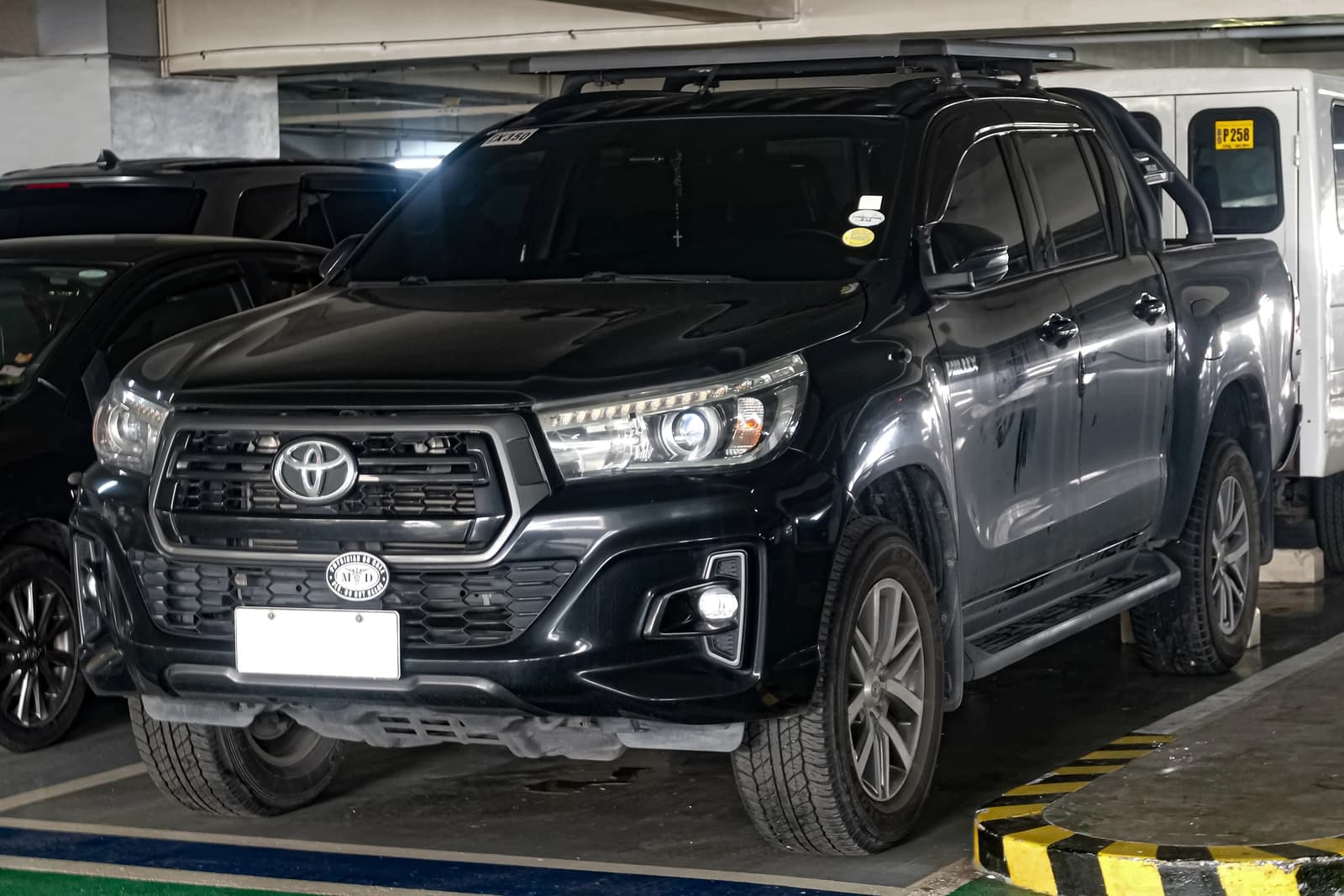
The numbers matter because Pakistan’s car market has been battered by inflation and a weaker rupee, pushing ownership further out of reach for middle-income buyers while keeping demand skewed toward used cars, lower-spec trims and financing-sensitive purchases. Even a Toyota Corolla is priced at PKR 6.169 million, while a Prius is listed at PKR 14.649 million, levels that reflect how far sticker prices have moved beyond the reach of many households.
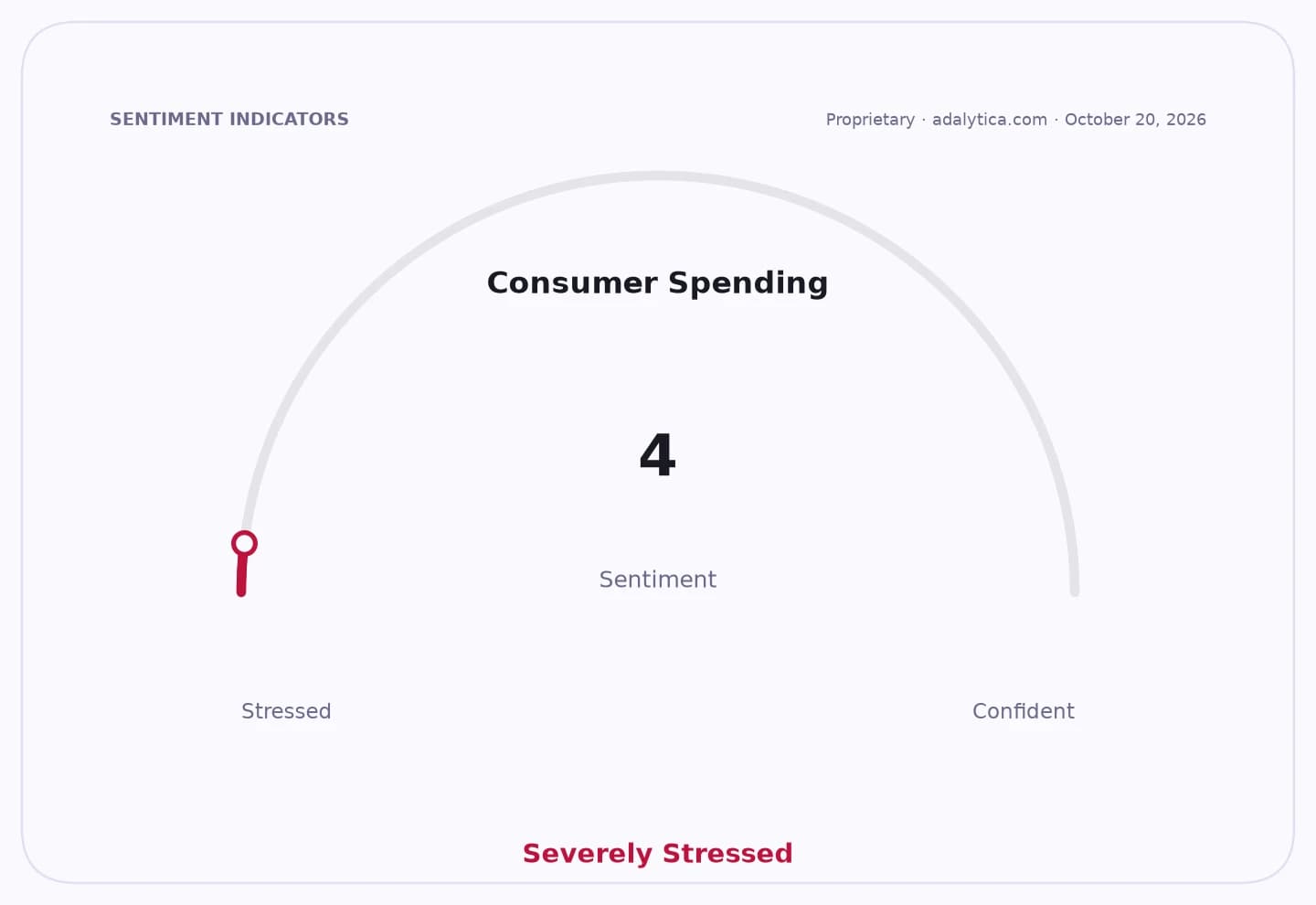
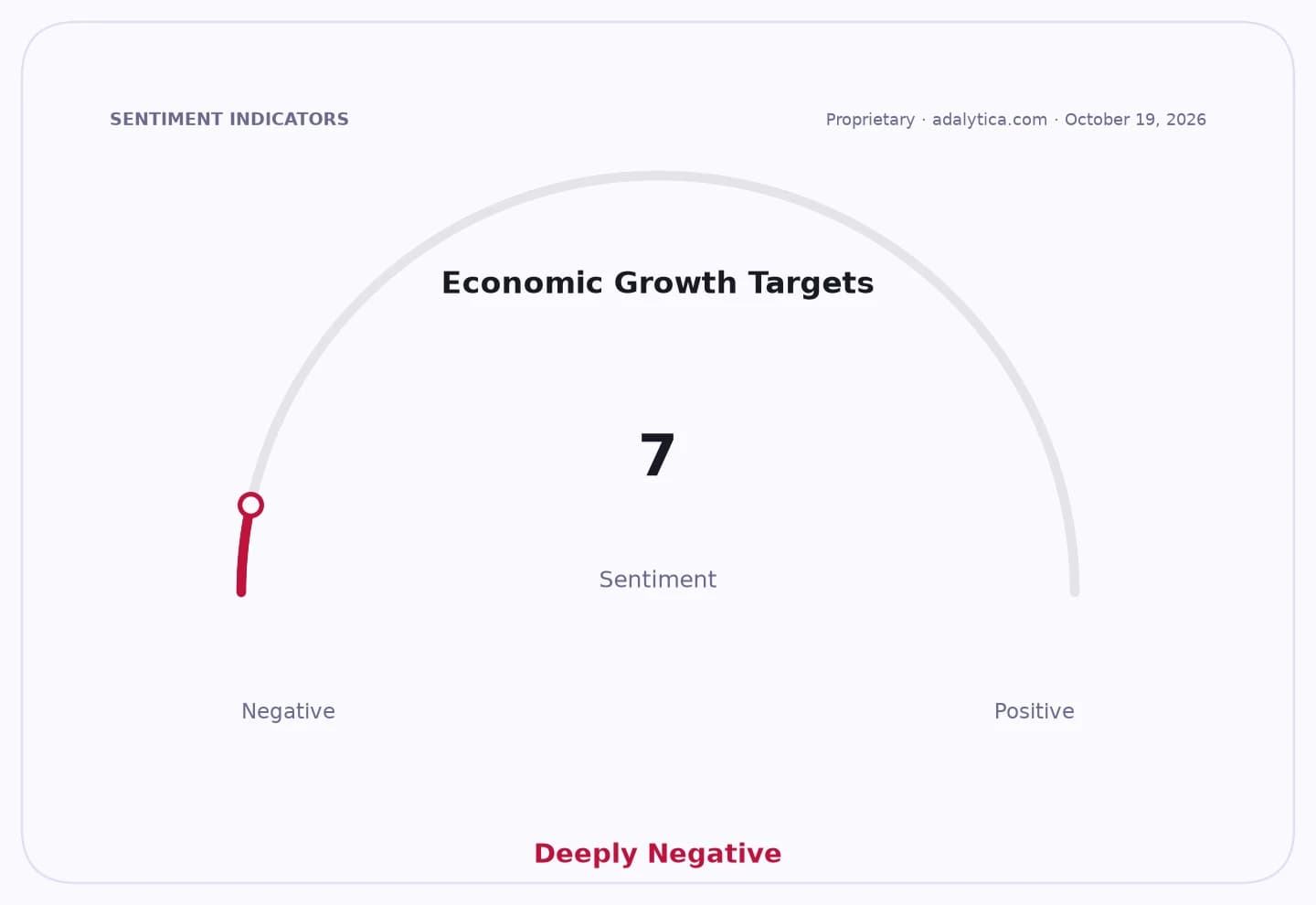
Sentiment IndicatorsⓘProprietary · adalytica.com · October 22, 2026
This is a snapshot — live sentiment, awareness and momentum for 130+ markets update continuously in the dashboard.Open AlphaPulse
For investors, the price backdrop is a reminder that volume growth in Pakistan remains constrained even when demand exists. Automakers and dealers can benefit from stronger pricing power on premium models, but the broader market stays vulnerable to affordability shocks, policy changes and any further pressure on import costs.
The spread across the lineup also highlights how the market is bifurcated: luxury and utility vehicles such as the Land Cruiser and Hilux command steep premiums, while lower-priced models like the Toyota Aqua at PKR 4.5 million still sit above mass-market norms. That gap helps explain why buyers often delay purchases, trade down, or look to older stock and parallel imports instead of showroom-new vehicles.
The key test ahead is whether any easing in inflation, exchange-rate volatility or auto policy can reopen demand for new vehicles, or whether Pakistan’s car market remains stuck in a high-price, low-volume cycle.
| Entity | Gains | Losses |
|---|---|---|
| Toyota high-end models | ▲Higher rupee revenue per unit | ▼Slower mass-market turnover |
| Dealerships | ▲Better margins on premium trims | ▼Weak showroom conversion |
| Buyers | ▲Access to a wide model range | ▼Affordability pressure |
| Lower-income households | ▲Cheaper used-car alternatives | ▼New-car ownership access |