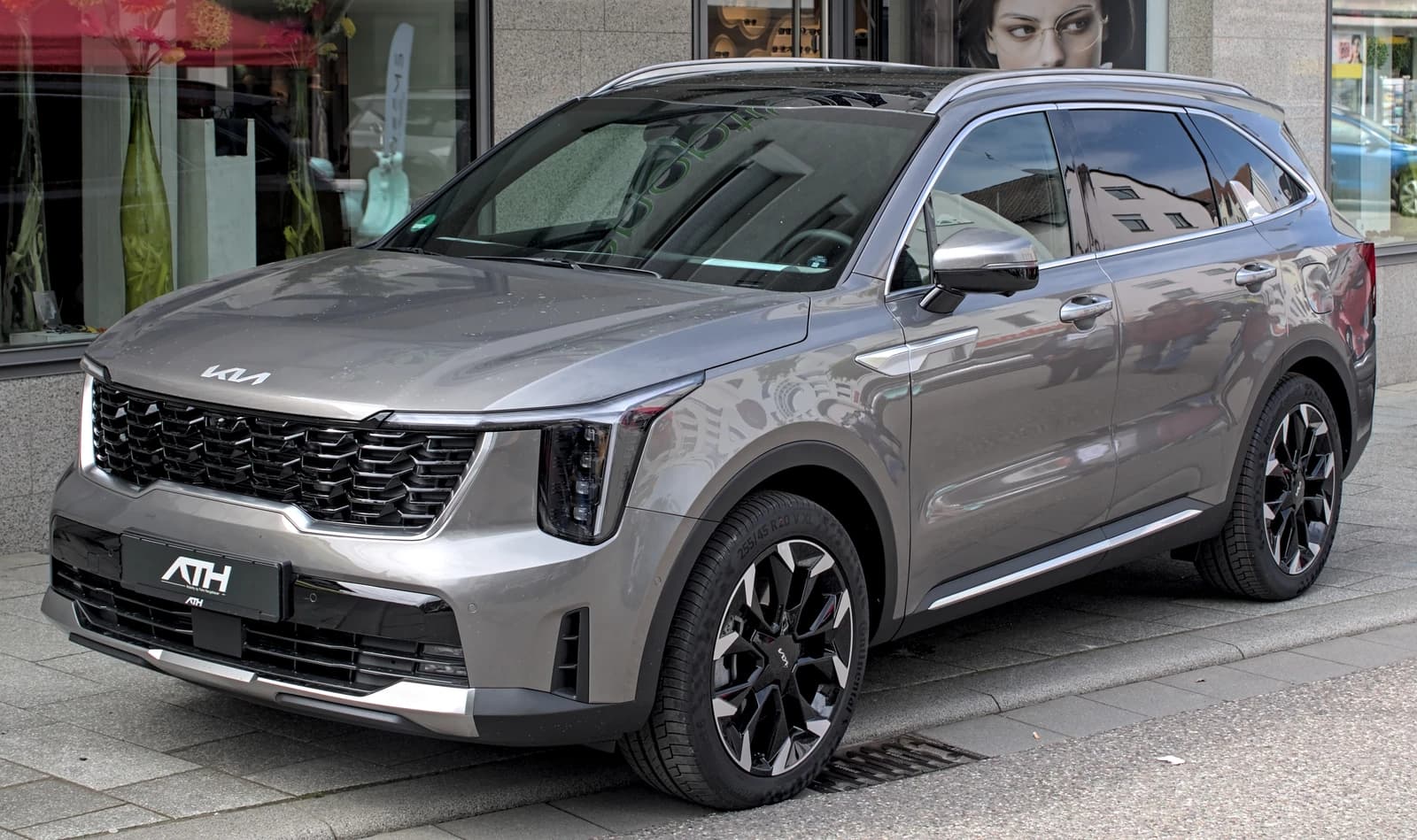
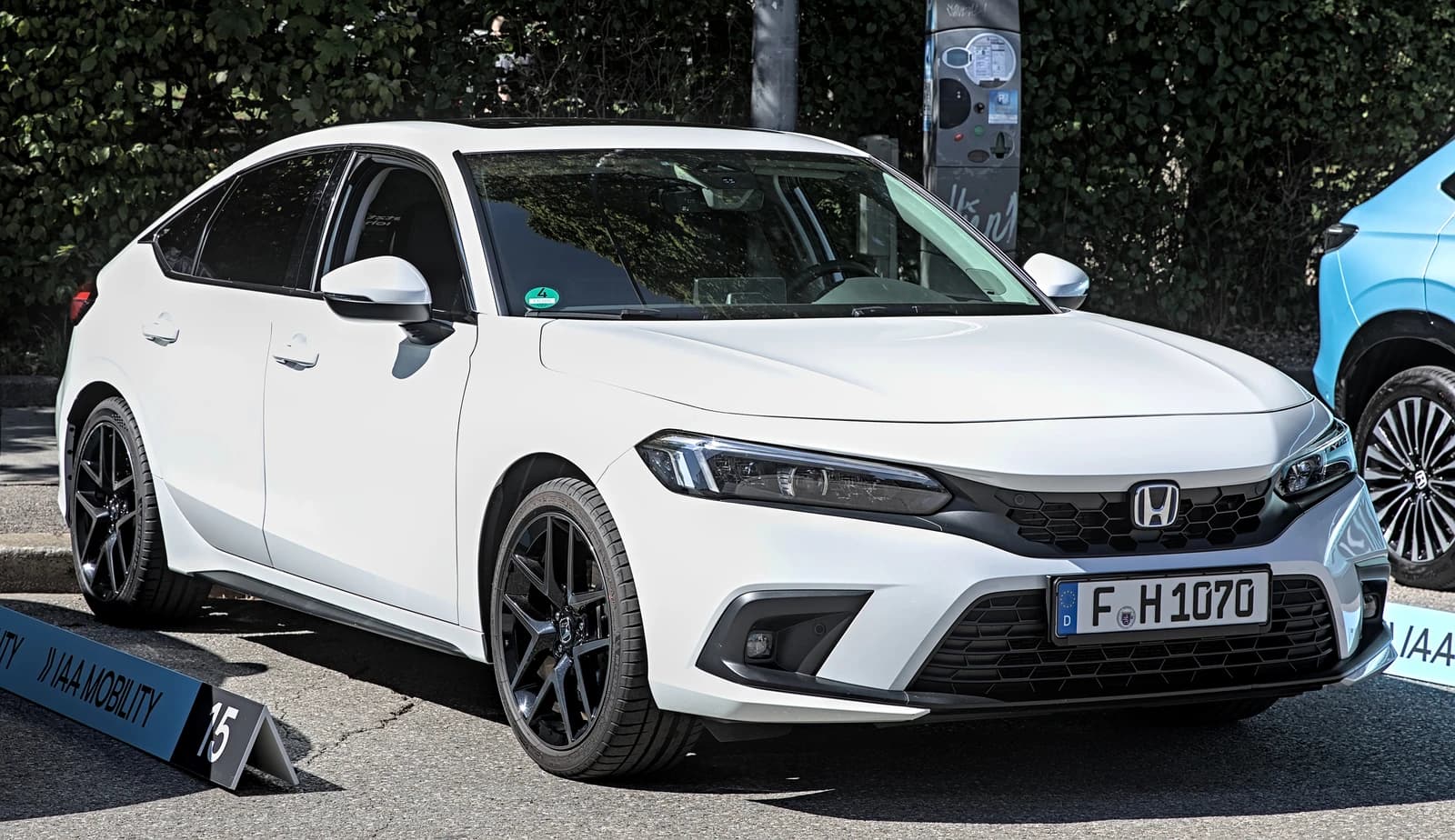
Pakistan’s vehicle market is still pricing for scarcity, not affordability, and that matters because the country’s auto buyers remain squeezed between imported-model premiums, a weak purchasing base and a broader economy that has yet to fully normalize.
Pakistan auto prices show split between premium and mass market
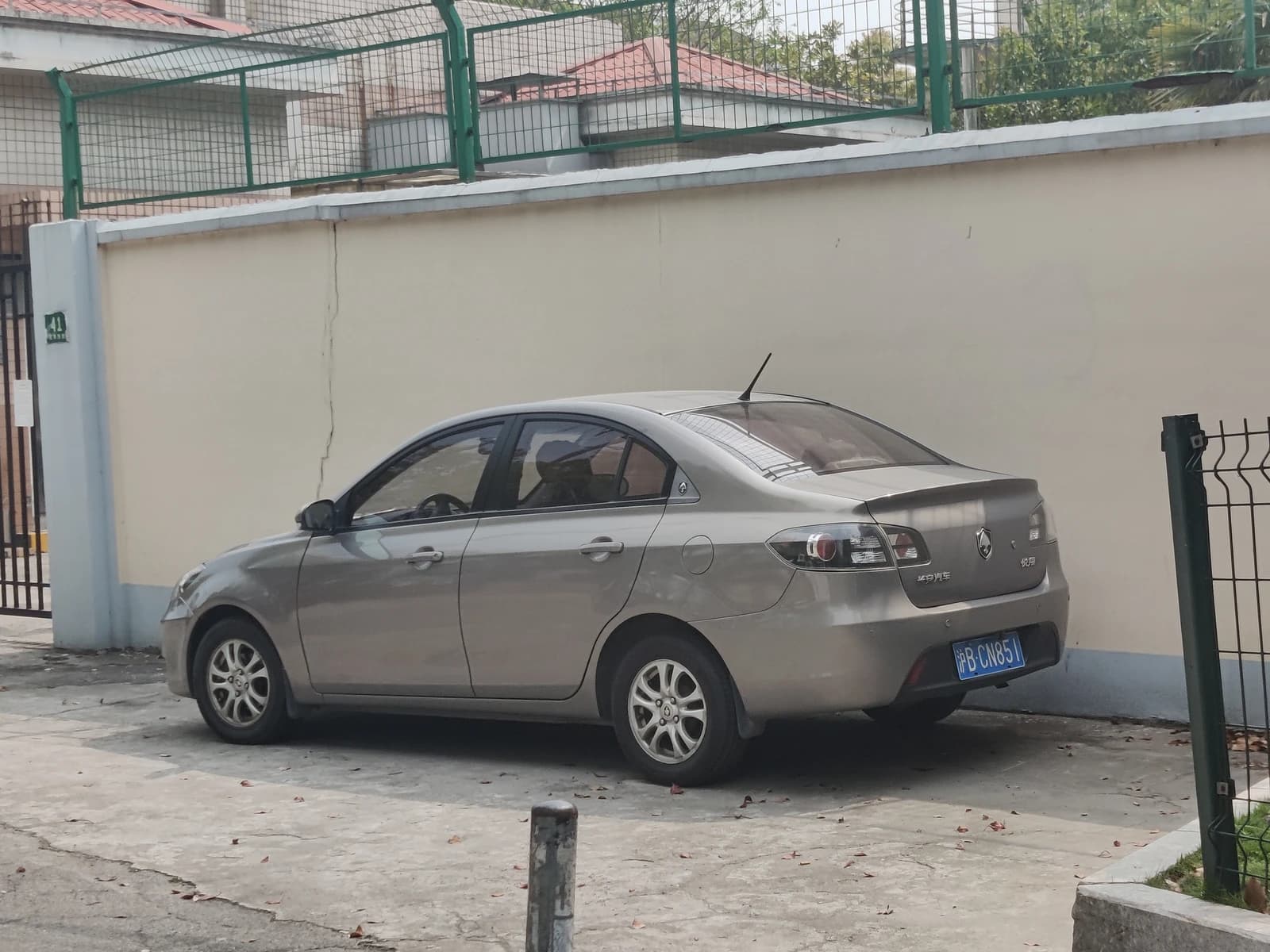
The latest price listings show how wide the market has become: Toyota’s Land Cruiser is listed at PKR 156.829 million, while a Corolla comes in at PKR 6.169 million and an Aqua at PKR 4.5 million. The spread underscores a market where high-end demand is still alive even as mass-market buyers remain highly price sensitive. The headline models in the seed list — BMW X7, BMW X4, Changan Alsvin, Toyota Hiace, Suzuki Bolan, Prince Pearl, Honda City and Toyota Land Cruiser — capture the split perfectly: premium SUVs and utility vehicles continue to command strong pricing, while smaller sedans and vans anchor the lower end of the market.
Sentiment IndicatorsⓘProprietary · adalytica.com · October 20, 2026
This is a snapshot — live sentiment, awareness and momentum for 130+ markets update continuously in the dashboard.Open AlphaPulse

That pricing structure matters economically because autos are one of the clearest read-throughs on consumer health, import dependence and currency stress. When a Land Cruiser costs more than 25 times a Corolla, the market is telling you that local buyers are either trading up selectively or that the upper-income segment is still insulated enough to absorb inflationary pressure. At the same time, the persistence of budget-nameplates such as Suzuki and Changan suggests price elasticity is still the dominant force for the mass market. The result is a bifurcated auto sector, not a broad-based recovery.
Investors should care because vehicle pricing in Pakistan is a proxy for demand resilience in a fragile emerging market, and for where capital is likely to flow next. Premium SUVs and utility vehicles tend to benefit when wealthier consumers and fleet buyers are less constrained, while economy-car makers win if affordability becomes the central battleground. Toyota remains the clearest beneficiary of that duality: its lineup spans the full demand curve, from Corolla to Land Cruiser and Hiace. That breadth gives it more pricing power and better hedge against a slowdown than single-segment rivals.
The macro backdrop is mixed, but the direction is important. U.S. inflation readings remain well above pre-pandemic norms, industrial production is still expanding modestly, and unemployment is near 4.2%, a combination that points to a global consumer environment that is not collapsing, but also not loosening enough to create easy affordability. In that kind of world, durable brands with strong residual value and model diversity tend to outperform. In Pakistan, that favors established Japanese nameplates over weaker budget brands and gives premium SUVs an edge where financing, ownership costs and import constraints remain part of the equation.
My view is that the market underestimates how sticky this segmentation can be. The real opportunity is not in chasing every headline price tag, but in positioning for the brands and platforms that can sell across income bands and preserve margins when conditions tighten. Toyota is the cleanest example, while economy-focused models such as Suzuki and select Chinese entrants are the most exposed if buyer stress deepens. If you want exposure to this theme, look for companies and distributors with the ability to sell both mass-market and premium vehicles, because that is where the next durable share gains will come from.
| Entity | Gains | Losses |
|---|---|---|
| Toyota | ▲Broad model mix, pricing power | ▼Smaller rivals on reach |
| Luxury SUV buyers | ▲Status and utility access | ▼Affordability |
| Economy-car buyers | ▲Lower entry prices | ▼Premium-only brands |
| Suzuki/Changan rivals | ▲Value-segment demand | ▼Margins from discounting |