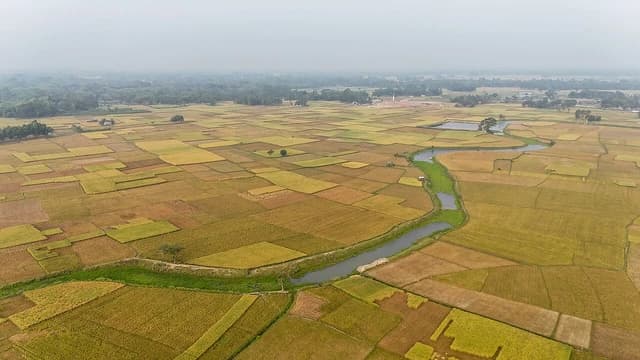
Lalmonirhat’s Aman paddy crop is shaping up well, but farmers are heading into harvest season with a familiar problem: rising input costs are eating into returns and could lift rice prices after the crop comes in.
Lalmonirhat Aman farmers face higher input costs
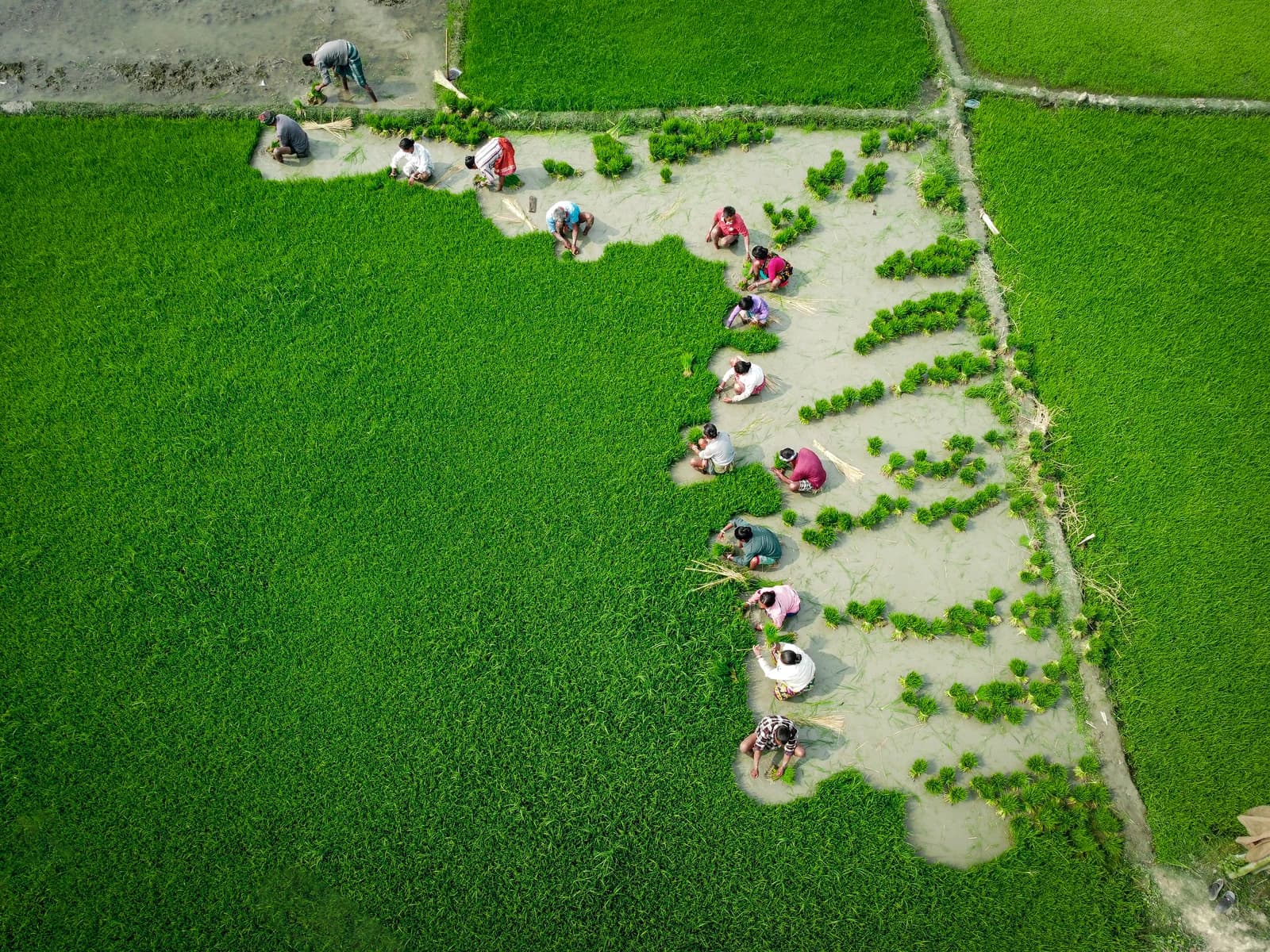
For growers, the issue is not yield alone but margins. Fertilizer and pesticide bills have climbed, labor costs remain elevated and overall production expenses are higher, leaving farmers worried that even a good harvest may not translate into better income unless paddy prices rise enough to offset the squeeze. That tension matters beyond one district because rice remains the country’s most important staple, and any sustained increase in farmgate prices can feed quickly into retail food inflation.
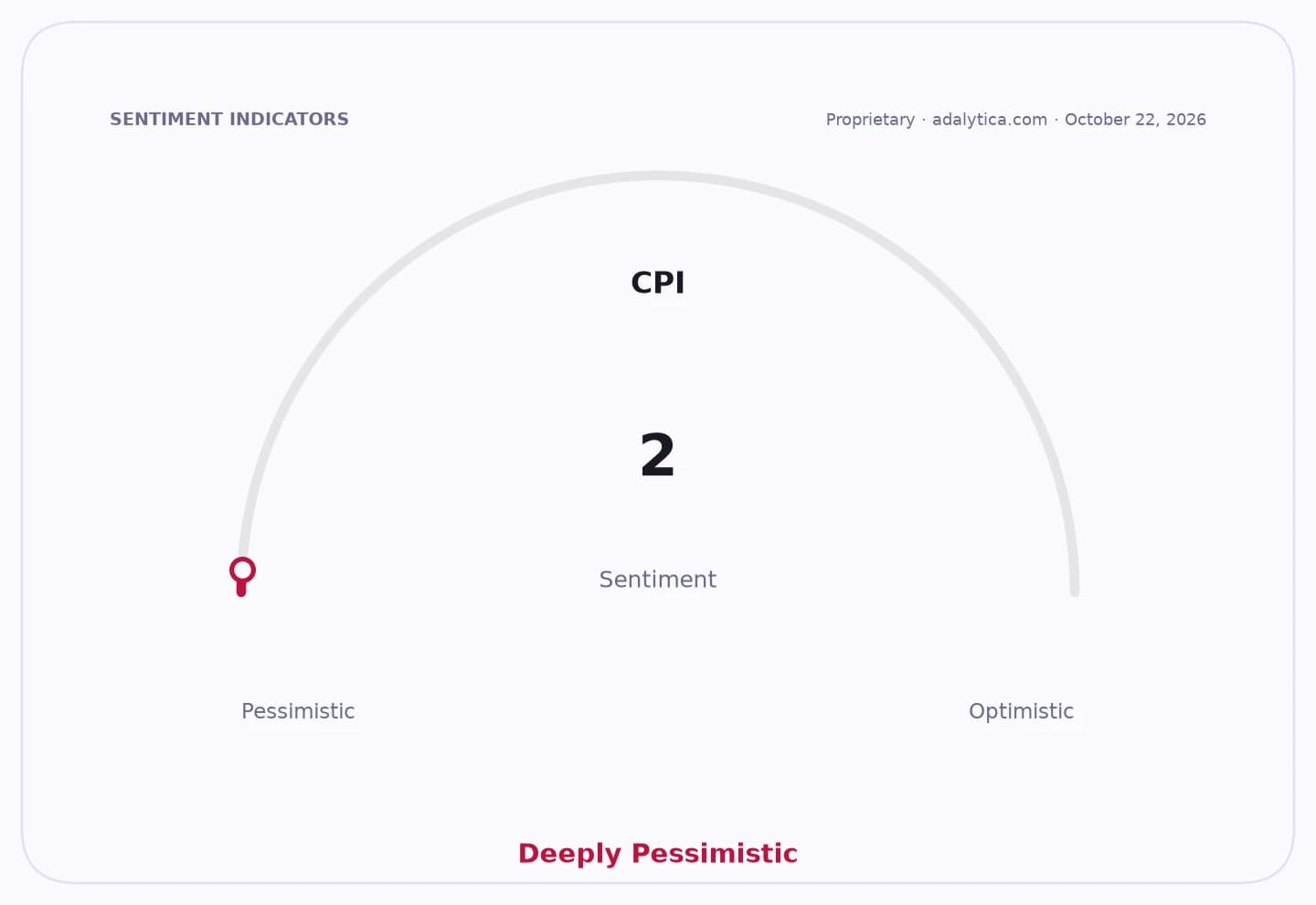
Sentiment Indicators
The backdrop is a global and local cost environment that has become less forgiving for producers. Broader price gauges show inflationary pressure still embedded in the food system, while agricultural input markets remain sensitive to fertilizer supply disruptions and commodity price swings. US wheat futures, often used as a read-through on grain sentiment, have also been volatile, underscoring how quickly food markets can move when harvest expectations, transport costs and input prices diverge.
For farmers, the immediate question is whether stronger output can overcome higher costs. A healthy Aman crop would normally ease supply concerns and help stabilize prices, but if harvest-time procurement rates do not cover labor and input inflation, growers may hold back sales or press for higher prices, reducing the downside relief for consumers. That would also squeeze millers and traders who depend on steady paddy arrivals at workable margins.
Food & Groceries
The policy implication is straightforward: Bangladesh’s food-price outlook will hinge not just on production volume but on how much of the value chain’s cost inflation is absorbed by farmers, traders and consumers. If input prices stay elevated into the harvest, the market could see firmer rice prices even in a year of decent yields. For investors and agribusiness participants, that raises the stakes for fertilizer demand, agricultural credit and food-distribution businesses tied to rice pricing.
The near-term catalyst is the post-harvest price response. If procurement and market prices rise sharply, farmers may finally see relief after a costly season; if not, the pressure on rural incomes will deepen even as the crop itself looks strong.
| Entity | Gains | Losses |
|---|---|---|
| Aman paddy farmers | ▲Better yields if prices rise | ▼Squeezed margins from input costs |
| Rice traders/millers | ▲Higher trading volumes | ▼Higher procurement costs |
| Consumers | ▲Stable supply if harvest is strong | ▼Higher rice prices |
| Fertilizer/pesticide suppliers | ▲Stronger demand | ▼Scrutiny if costs stay elevated |