Colombia’s government is moving to reorganize the rice sector after floods, weak farmgate prices and rising debt pushed many growers toward planting cuts, but the measures may not arrive fast enough to prevent a smaller 2027 crop.
Colombia rice sector reorganization set for 2027
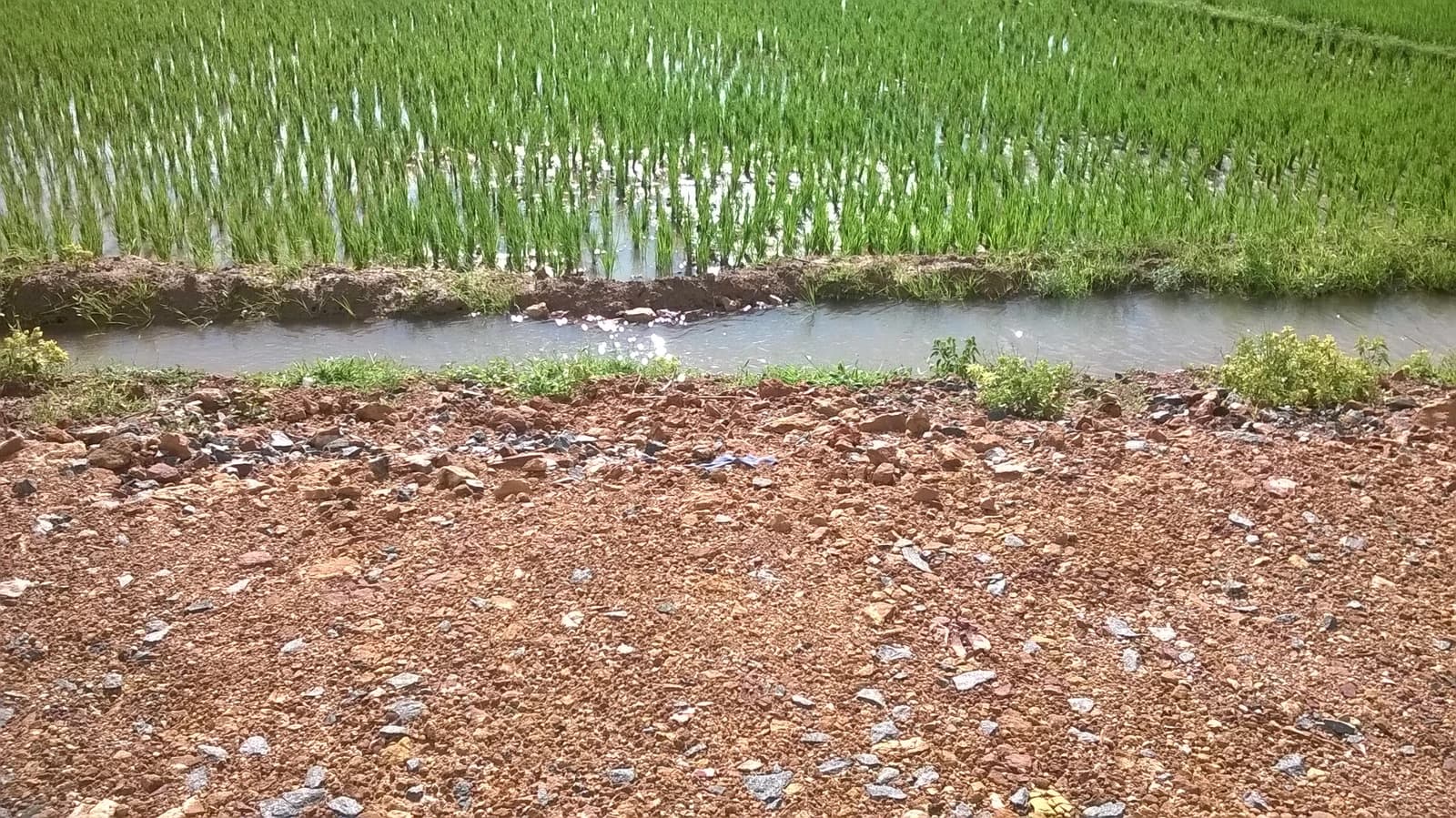
The Agriculture Ministry this week unveiled a rice-sector “productive ordering” model that will not begin operating until the first half of 2027, underscoring the gap between the industry’s immediate financial strain and the state’s longer-term policy response. For farmers in Casanare, which supplied 54.8% of Colombia’s rice area in the first half of 2026, the issue is urgent: more than 13,000 hectares were damaged by midyear flooding, while producers also say they were already selling below cost before the rain hit.
Sentiment Indicators
At the center of the problem is a market that has stopped covering production expenses for many growers. The government says green paddy rice in Yopal averaged COP 1.264 million a tonne between February and July, one of the lowest reference prices in the country. Judy Herrera, a farmer in Nechí, said she lost all 140 hectares she planted and now carries COP 700 million in debt. Official reports show producers owe the milling industry about COP 470 billion.
That combination is what makes the policy response economically significant. Rice is a staple, and a collapse in farm profitability can quickly become a supply problem if growers reduce acreage, delay planting or exit the market altogether. In a country where seasonal production can concentrate deliveries into short periods and pressure mill capacity, a weaker harvest would tighten margins for processors and could eventually feed into consumer prices.
The government’s plan is built around four pillars: ordering supply, protecting the market, cushioning producers and improving competitiveness. It calls for zoned planting by department, a national rice census, better price formation based on verified data, and risk tools such as collective insurance, price hedges and a stabilization fund. It also seeks more specialized financing and wider use of certified seed.
For investors, the details matter less than the execution risk. Farmers are questioning whether the state can actually police imports, curb contraband and fund support mechanisms at a time when cheaper foreign rice and a weaker peso are already weighing on domestic pricing. Producers also worry that mandatory certified seed could raise costs without guaranteeing better yields, while the planned price mechanism may fail if it still depends on variables farmers cannot control, including global trade flows.
The wider narrative is a policy attempt to stabilize a politically sensitive food chain without yet solving the near-term cash crunch. Government officials have floated debt relief, temporary suspension of legal collections, moratorium relief and payment extensions with mills and suppliers, but growers say those measures have not arrived. That leaves the 2027 planting season exposed.
If the aid package comes too late, the likely winners are millers and importers able to source cheaper grain, while indebted farmers face another year of reduced acreage and weaker bargaining power. If the state can enforce borders, smooth pricing and deliver working capital quickly, the sector could regain some balance — but for now, the gap between the announcement and the next planting cycle is the biggest risk.
| Entity | Gains | Losses |
|---|---|---|
| Rice farmers | ▲eventual debt relief and support | ▼immediate cash squeeze |
| Millers | ▲lower raw-grain costs | ▼smaller local supply |
| Importers | ▲stronger competitive position | ▼tighter future quotas |
| Consumers | ▲steadier supply if plan works | ▼price pressure if output falls |