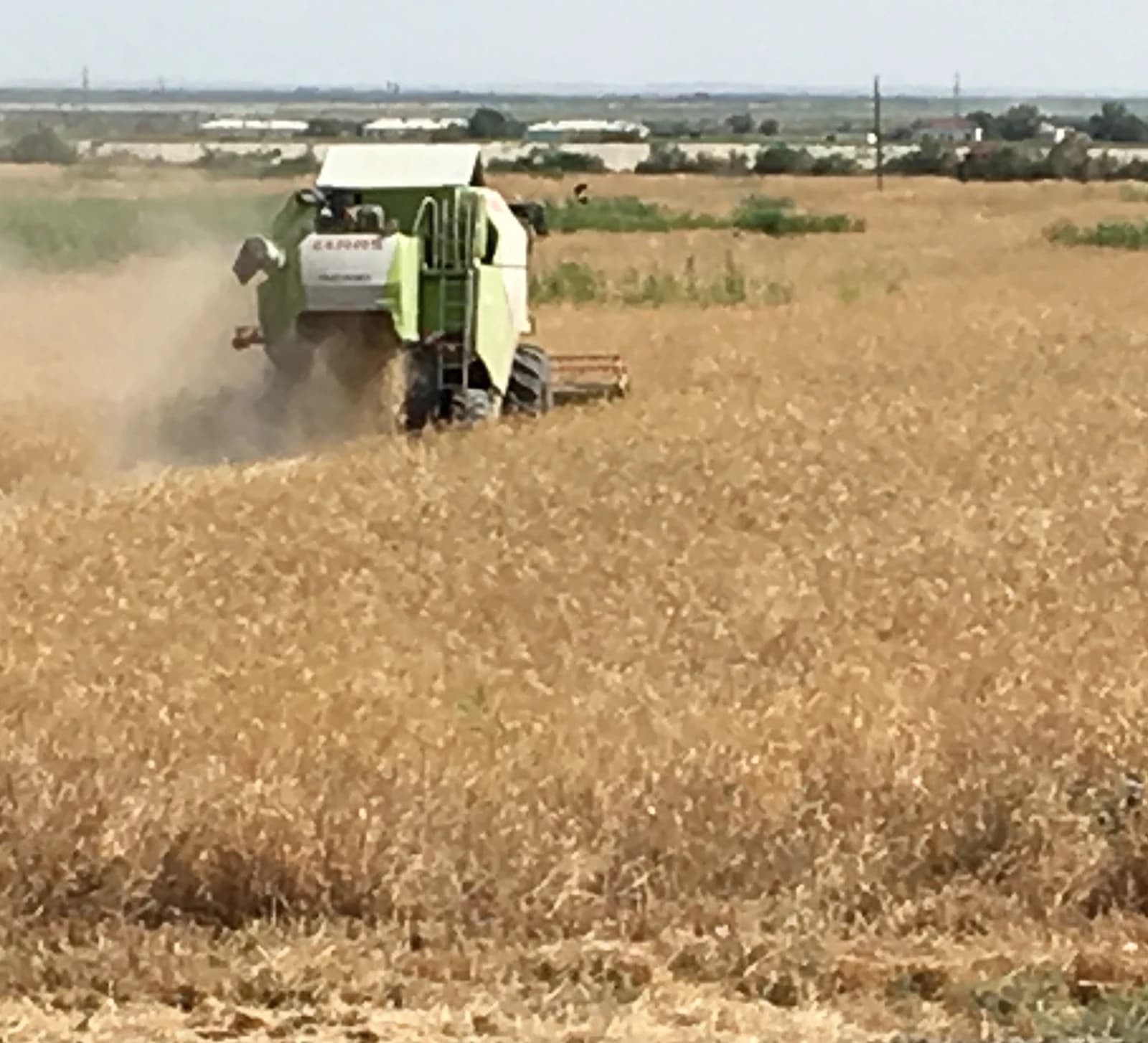
Wheat prices in Delhi have climbed to a record ₹3,100 per quintal, with government auction sales failing to stop a rally driven by tight private inventories, festive-season demand and export orders from Bangladesh.
Delhi wheat prices hit record ₹3,100 per quintal
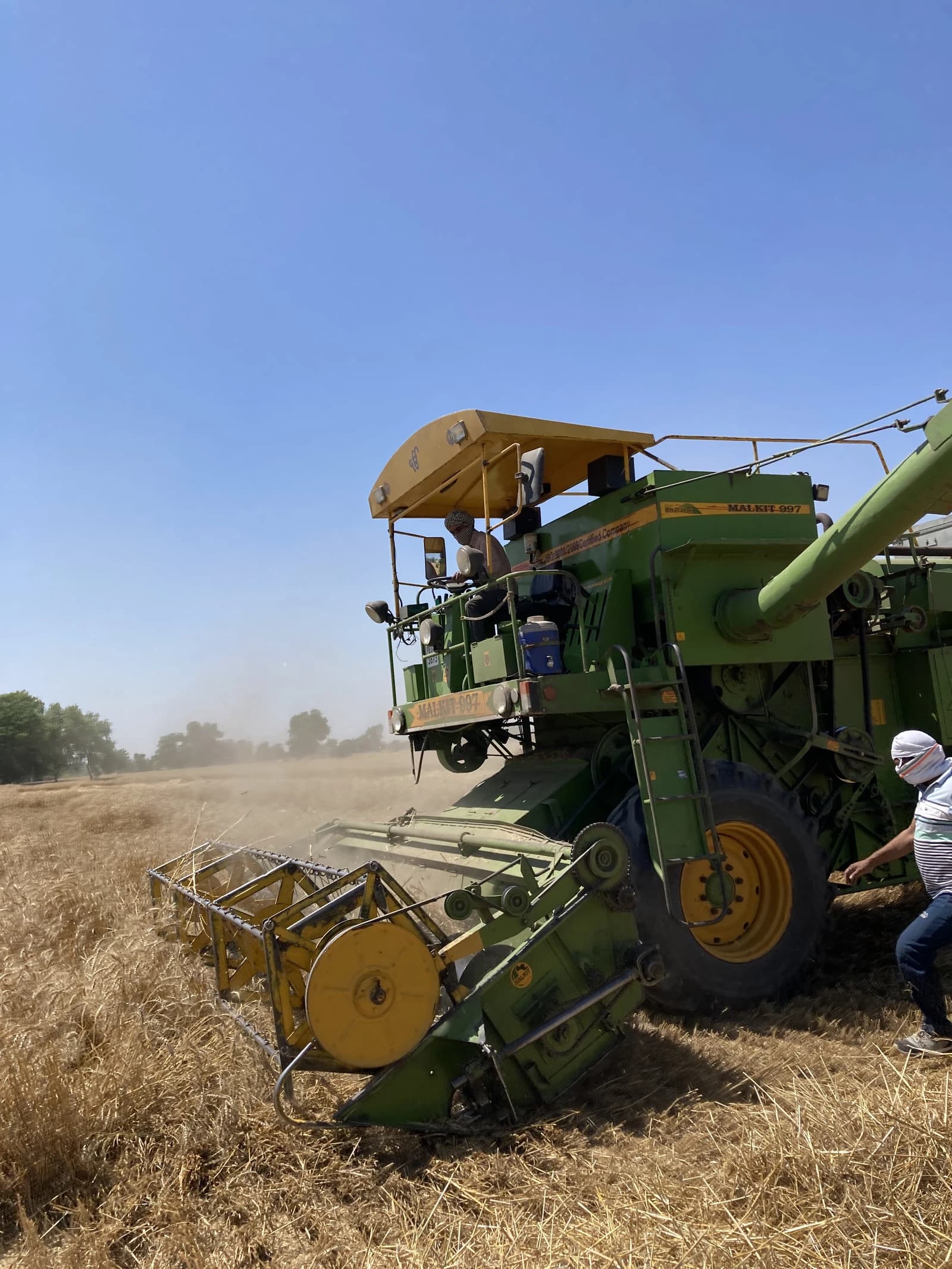
The move matters because wheat is a staple food and its price feeds directly into flour costs, household budgets and inflation expectations across India. Even with the government offering grain under its open market sale scheme, the market has kept tightening, showing that official stock releases are not yet enough to restore balance in the private market.
Sentiment Indicators
Food & Groceries
Prices were at ₹2,970 per quintal when the government announced the second sale tender under the open market sale scheme, meaning wheat has gained ₹130, or about 4.4%, since then. Traders say the rise reflects limited availability outside the state-held stockpile after heavy government procurement in the last season left less grain in private hands.
The contrast between market scarcity and official comfort is now the core story. The central pool held about 460 lakh tonnes of wheat in October, well above 333 lakh tonnes a year earlier, but that has not translated into easier supplies for traders and stockists. With OMSS sales delayed, private inventories have been drawn down, leaving the spot market exposed.
Food & Groceries
Demand is also being supported by the festive stretch from Dussehra to Diwali, when buying typically strengthens, while November and December are expected to lean more heavily on OMSS supplies. Bangladesh remains the main export outlet, and global shortages tied to the Black Sea region are keeping international prices firm enough to make Indian wheat attractive abroad despite higher domestic costs.
For investors and market participants, the key implication is that food inflation pressure could persist even when state warehouses are full. The pricing disconnect also underscores how government stocks can cushion shortages only if grain reaches the market quickly enough, while repeated minimum support price hikes — including a 5% increase this year — have already left Indian wheat less competitive globally.
The next test is whether the government speeds up OMSS releases and whether festive demand begins to ease. Until then, traders are likely to treat ₹3,100 as less a ceiling than a warning that the supply squeeze is still unresolved.
| Entity | Gains | Losses |
|---|---|---|
| Wheat farmers | ▲Higher realizations | ▼None from rising prices |
| Government stockholders | ▲Strong buffer inventory | ▼Market relief delayed |
| Traders and millers | ▲Potential arbitrage | ▼Costlier procurement |
| Consumers and flour buyers | ▲None | ▼Higher food bills |