Wheat flour prices in Sri Lanka are rising from midnight after importers decided to lift the retail price by 13 rupees a kilogram, a move that could feed through to bread, noodles and other staples in a market already sensitive to food inflation.
Sri Lanka wheat flour prices rise by 13 rupees
The increase takes effect immediately, with import companies moving to pass through higher costs rather than absorb them. For households, the change lands directly on one of the most widely used basic foods and adds pressure to budgets already strained by elevated living costs.
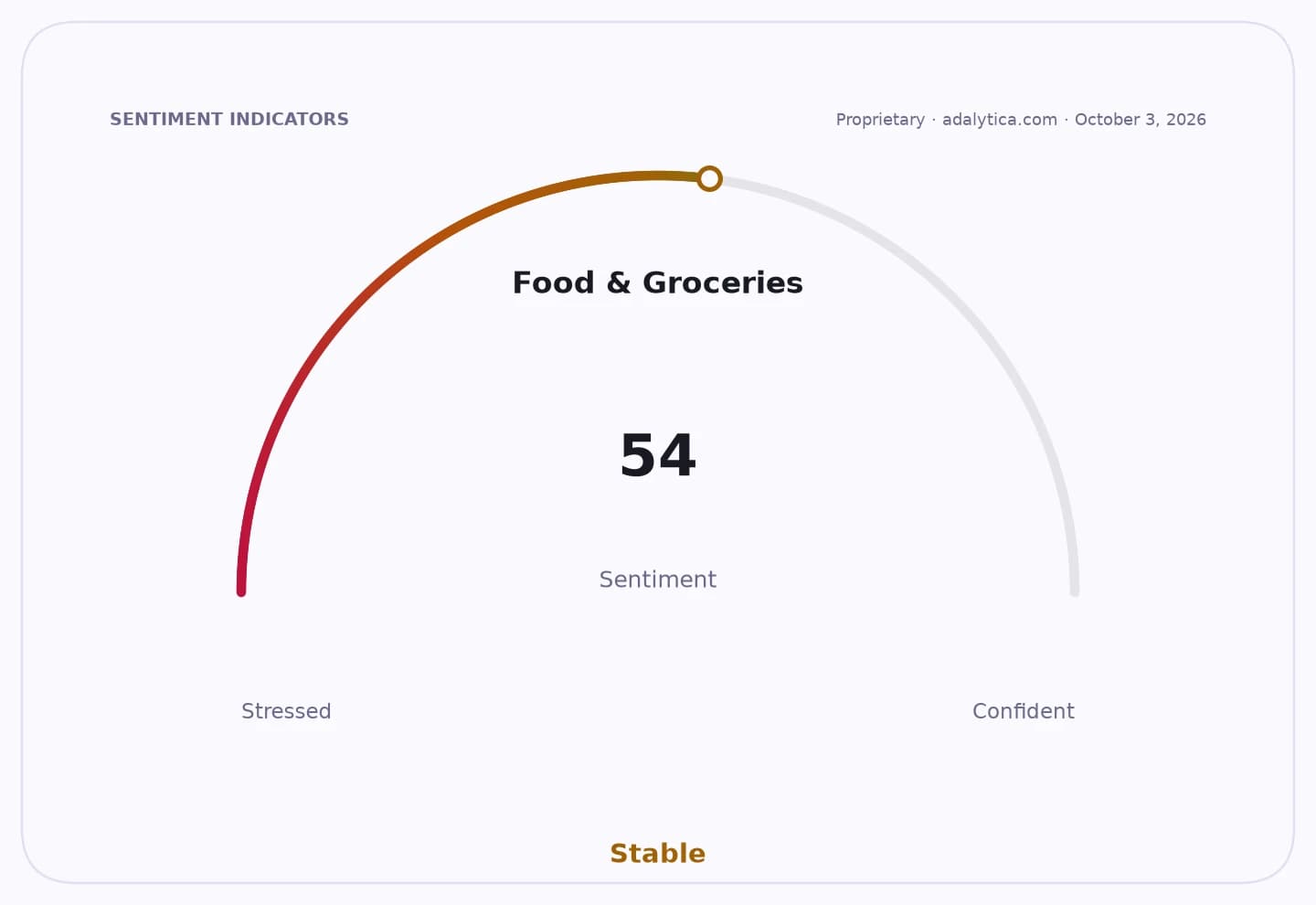
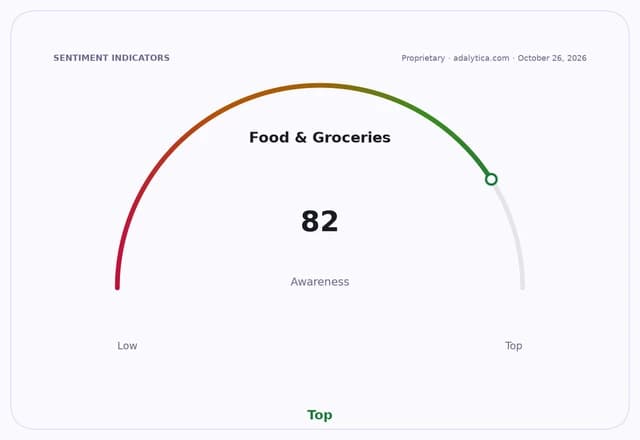
Sentiment IndicatorsⓘProprietary · adalytica.com · October 26, 2026
This is a snapshot — live sentiment, awareness and momentum for 130+ markets update continuously in the dashboard.Open AlphaPulse
The timing matters because wheat prices have been under pressure globally, with benchmark Chicago wheat recently falling to an 11-week low on weak U.S. export demand and hopes for progress in Ukraine war talks. Even so, local pricing is being driven by the import chain, exchange rates and distribution costs rather than the direction of world futures alone.
For investors, the increase is relevant to consumer staples, bakery supply chains and retailers that sell flour-based products. It also keeps food inflation in focus, a key issue for central banks, wage negotiations and household spending power in import-dependent economies.

The move suggests more volatility ahead for edible staples if import costs stay uneven or the currency weakens further. Markets will be watching whether the higher flour price is passed through quickly to other packaged foods and whether broader food inflation starts to firm again.
| Entity | Gains | Losses |
|---|---|---|
| Wheat flour importers | ▲Higher selling prices | ▼Risk of weaker volume demand |
| Consumers/households | ▲None | ▼Higher staple food costs |
| Bakeries and food producers | ▲None | ▼Squeezed input margins |
| Food retailers | ▲Potential stock turnover | ▼Pressure on affordability and sales |