Rising rice and edible oil prices have kept squeezing Bangladeshi households even as global grain markets have softened, shifting an estimated 18,958 crore taka of extra annual spending from consumers to traders, millers, refiners and distributors.
Bangladesh rice and oil prices stay high
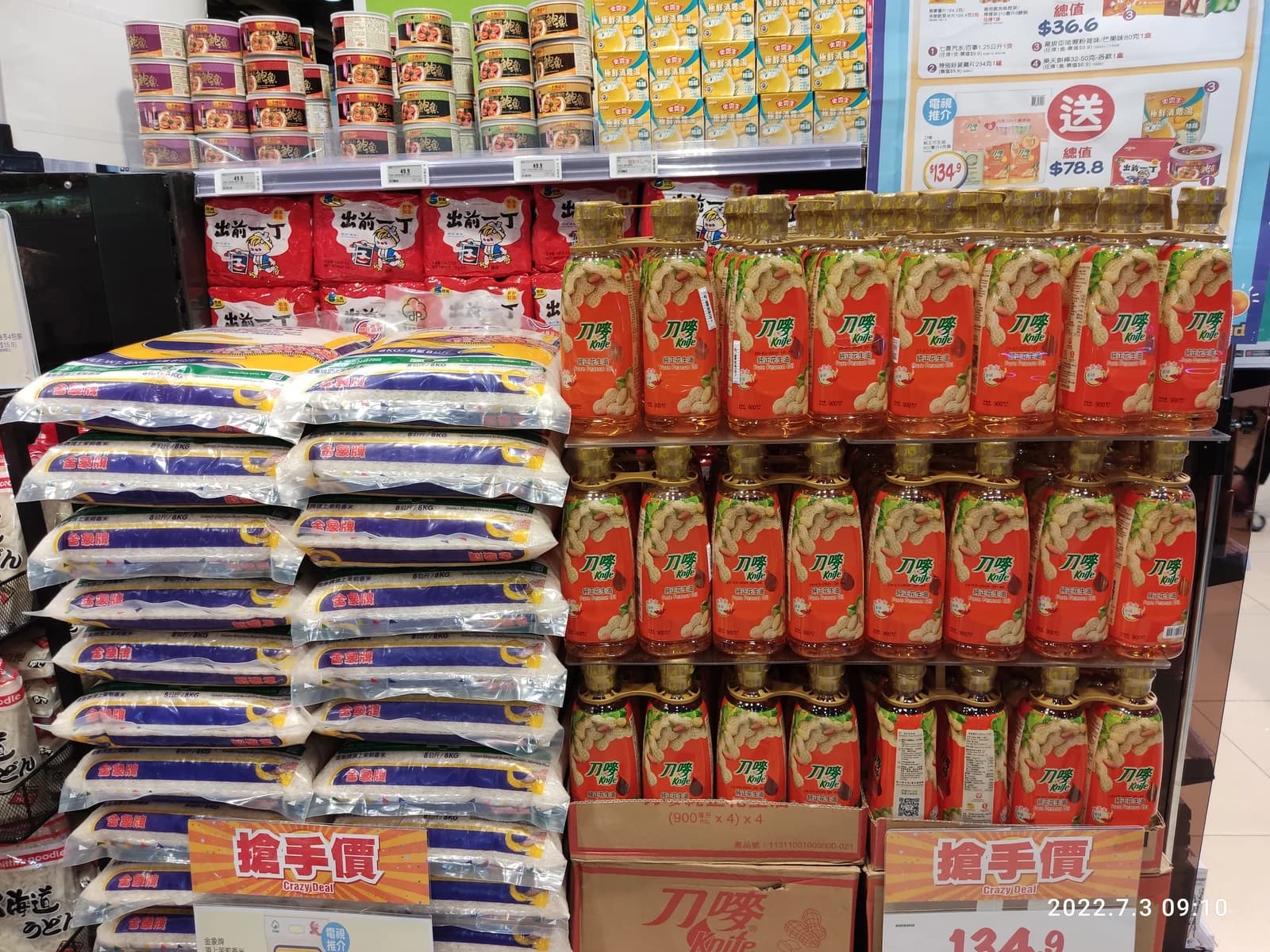
That matters because rice and cooking oil are among the most widely consumed staples in Bangladesh, so even modest price increases quickly translate into a broad hit to household budgets, real purchasing power and private consumption. The pressure is not just inflationary in the abstract: it is redirecting money away from education, health care, transport and savings at a time when families are already under strain from higher fuel and logistics costs.
A review of market data over 2024 through October 2026 shows the burden has been persistent. Over that period, coarse rice rose 4.2%, medium rice about 6.6% and fine rice 6.65%, while the government-set retail price of bottled soybean oil climbed to 204 taka a litre from 167 taka in April 2024, an increase of 22.16%.
The gap between world and local prices is central to the story. Thailand’s 5% broken rice price fell from $589 a tonne in August 2024 to $392 in July 2025, a drop of more than 33%, yet Bangladesh’s retail rice market did not pass through the benefit. Economists and market participants cite a weaker taka, delayed tariff relief, higher freight and insurance charges, and elevated port handling costs at Chattogram and Mongla as reasons the import price decline failed to reach consumers.
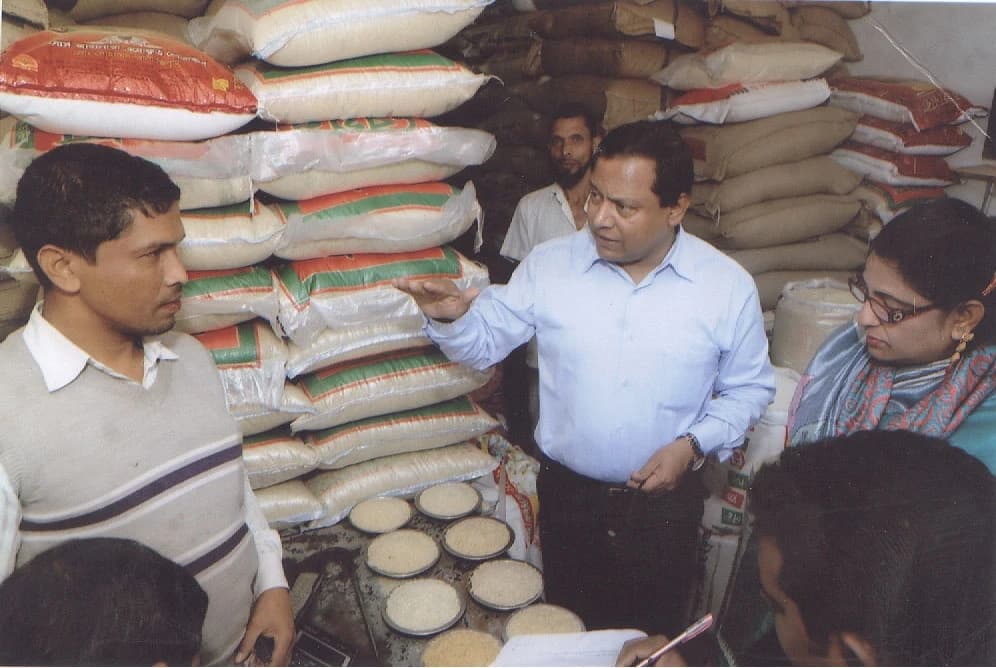
In rice, transport inflation is amplifying the effect. Wholesale traders say higher diesel prices have lifted truck fares, while rising paddy prices have also fed through to millgate and retail costs. In the capital’s wholesale and retail markets, current average prices stand around 53.50 taka a kilo for coarse rice, 62.50 taka for medium rice and 77.50 taka for fine rice.
The oil market tells a similar story of sticky prices and weak competition. Bottled soybean oil has been repriced repeatedly — 175 taka in December 2024, 189 taka in April 2025, 195 taka in October 2025, 199 taka in April 2026 and 204 taka in September 2026. Traders say retail supply is uneven and margins are thin; one shop owner in Dhaka said commission on a litre of bottled oil has fallen to just 1 taka from 5 to 7 taka previously, reducing the incentive to stock and sell it.
That combination matters for investors and policymakers because it points to a supply chain that is capturing inflation rather than transmitting lower global costs to consumers. The biggest winners are the middle layers — rice millers, wholesalers, importers, refiners and distributors — while households bear the loss. Consumer advocates argue the market is being distorted by syndicate behavior and by weak enforcement, a claim that, if accurate, would imply that headline inflation understates the real squeeze on living standards.
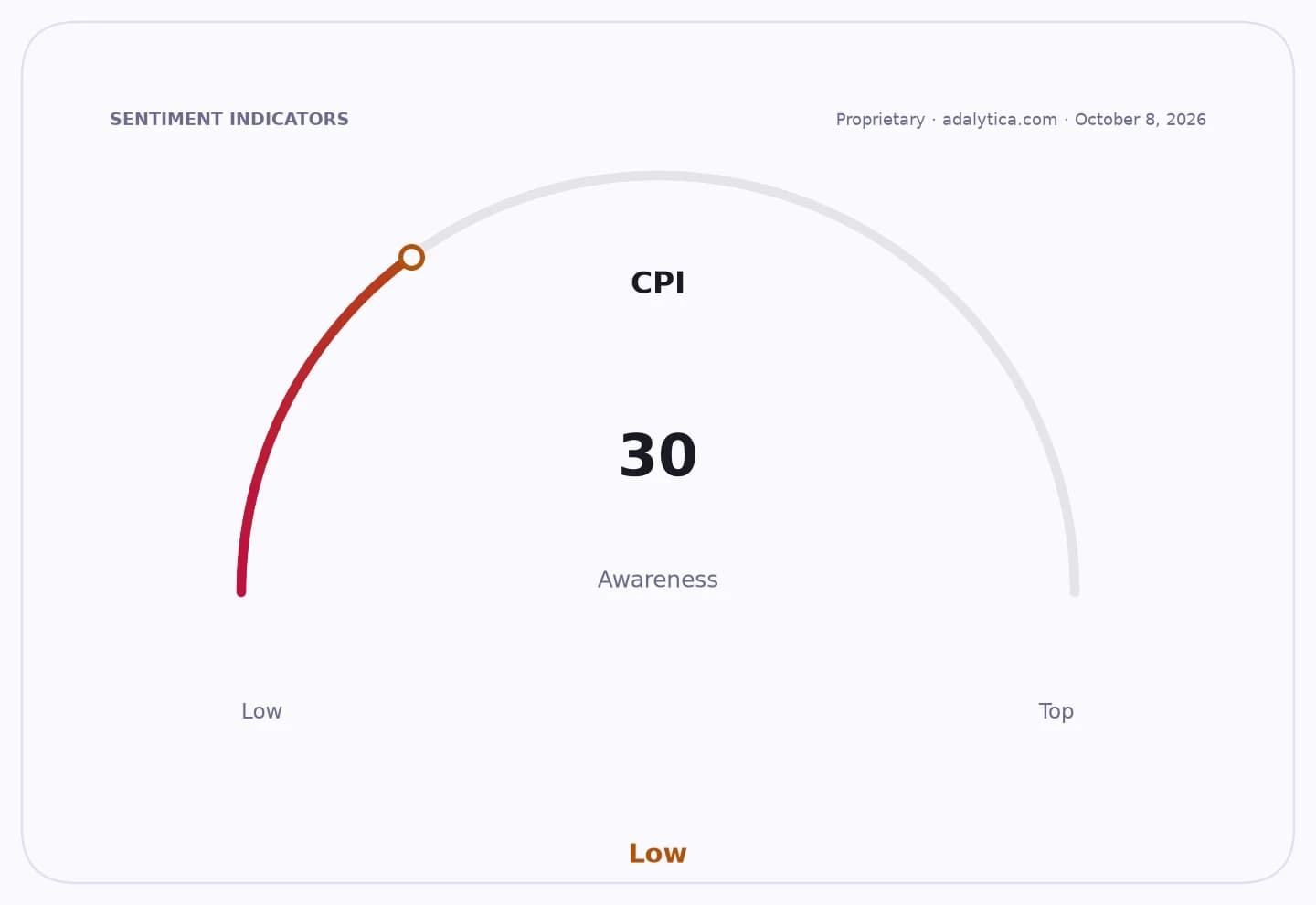
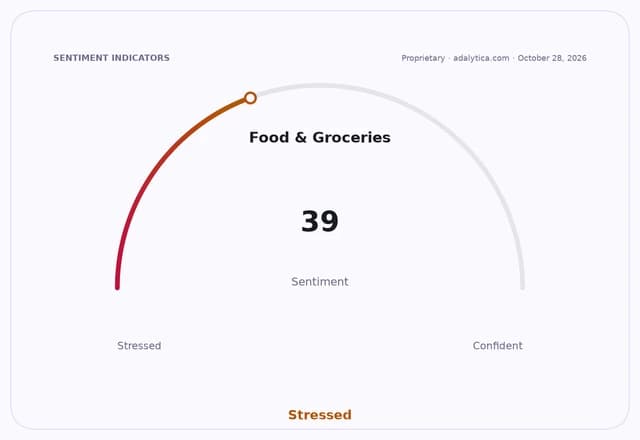
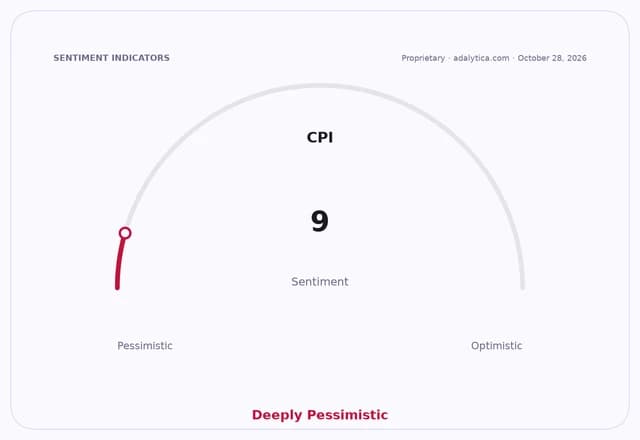
Adalytica’s CPI sentiment gauge is in extreme fear, while food and grocery spending sentiment has weakened sharply, underscoring how intensely the staple-food squeeze is being felt. That is consistent with the broader macro backdrop of higher fuel prices feeding transport costs and keeping inflation pressures elevated.
For investors, the implication is that any sustained rise in fuel, freight or foreign-exchange costs will keep staple-food inflation sticky and preserve pricing power for parts of the supply chain, even as it erodes household demand. The key question now is whether authorities can force through lower import costs and tighter market supervision before the burden becomes even more politically and economically damaging.
| Entity | Gains | Losses |
|---|---|---|
| Rice millers and wholesalers | ▲Wider margins | ▼Consumer backlash |
| Oil importers and refiners | ▲Repeated price resets | ▼Weak retail demand |
| Bangladeshi households | ▲None | ▼Higher food bills |
| Retailers with low oil commissions | ▲Limited benefit | ▼Lower sales incentives |