Raw rice prices in Vietnam’s Mekong Delta edged higher on Oct. 21, adding to signs that supply is tightening just as exporters are trying to secure cargoes for the final months of the year.
Vietnam rice prices rise as exports stay weak
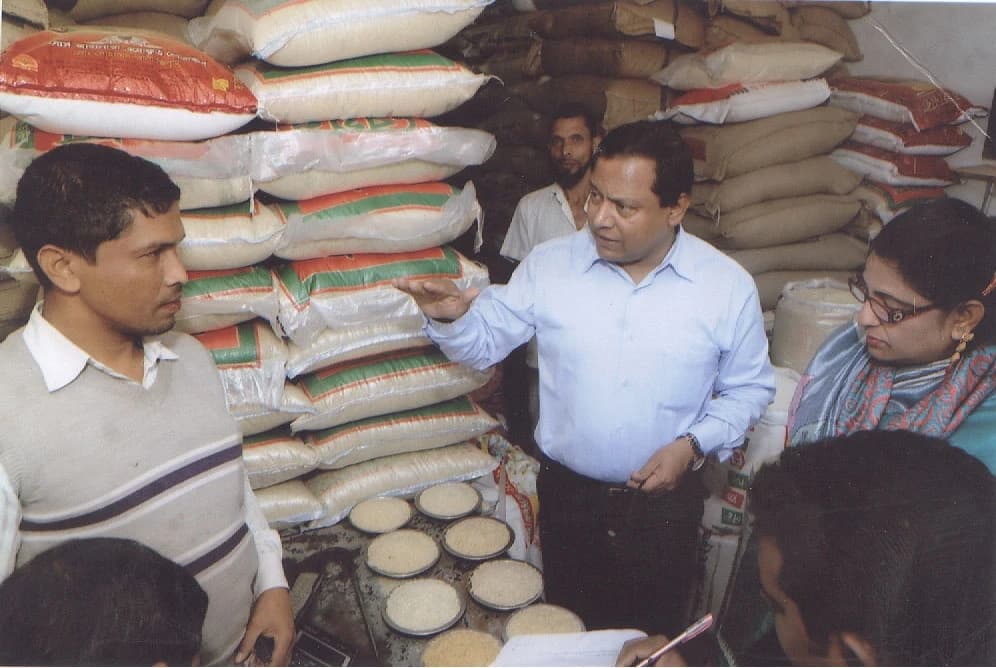
The move matters because rice is both a domestic food staple and a key export crop for Vietnam, the world’s third-largest shipper. Even a modest increase in raw paddy and rice-material prices can feed through to millers, traders and exporters already facing softer overseas prices, higher logistics costs and tighter competition from India, Thailand and Pakistan.
Sentiment IndicatorsⓘProprietary · adalytica.com · October 26, 2026
This is a snapshot — live sentiment, awareness and momentum for 130+ markets update continuously in the dashboard.Open AlphaPulse
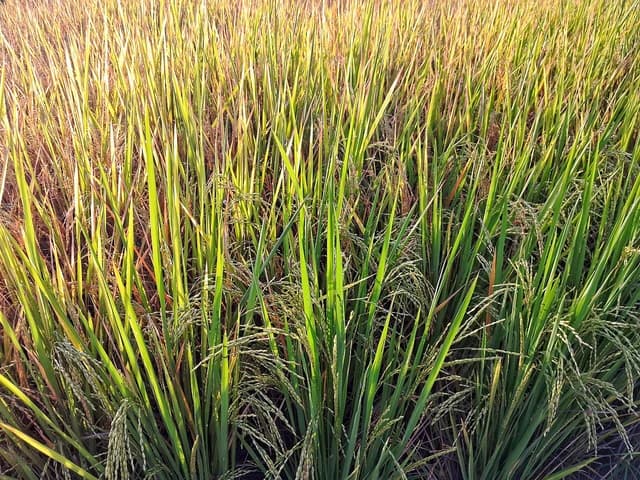
IR 504 raw rice rose 50 dong a kilogram to 8,900-9,000 dong, while CL 555 gained 100 dong to the same range. Bran and broken-rice byproducts were mixed, with fragrant broken rice up 100 dong to 9,400-9,500 dong and rice bran slipping 100 dong to 7,850-8,100 dong, underscoring a market that is firmer in some segments but still uneven.
Fresh paddy prices in the delta were mostly flat, suggesting the rise is still measured rather than broad-based. In An Giang, fresh Dai Thom 8 rice was quoted at 6,400-6,500 dong a kilogram, IR 50404 at 5,900-6,000 dong and OM 18 at 6,400-6,600 dong. OM 34 traded at 5,800-6,000 dong, DS1 at 6,500-6,600 dong and OM 5451 at 6,000-6,200 dong.

Export pricing is providing less support than the domestic market. Vietnam’s 5% broken fragrant rice was steady at $470-$475 a ton, while white 5% broken rice was quoted at $423-$427 a ton, according to the Vietnam Food Association. That still leaves Vietnam in a competitive but not commanding position: Thai white 5% broken rice was quoted higher at $474-$478 a ton, while Pakistan and India were lower at $408-$412 and $384-$388, respectively.
That spread matters for investor and corporate margins because exporters are being squeezed between a firmer procurement market at home and a global market where buyers remain price-sensitive. Vietnamese traders are also contending with policy shifts in major destinations, especially the Philippines, which remains Vietnam’s biggest customer but has been adjusting import rules to protect domestic prices and harvests.
Through nine months of 2026, Vietnam shipped 6.363 million tons of rice worth $3.057 billion, with average export prices down 6.72% from a year earlier. The government still expects another 1.14 million to 1.34 million tons in the final quarter to hit its full-year target, but that will depend on whether export demand accelerates enough to absorb the country’s stockpile without forcing margins lower.
The near-term narrative is straightforward: domestic raw rice prices are rising from a quiet base because supply is not abundant enough to keep mills comfortable, but export economics remain pressured. If overseas demand improves and inventory drawdowns continue, prices could extend their climb; if not, millers and exporters may be forced to absorb higher raw-material costs in an already competitive market.
| Entity | Gains | Losses |
|---|---|---|
| Farmers / paddy sellers | ▲Better selling prices | ▼Slower farmgate turnover |
| Millers / exporters | ▲Higher-value inventories | ▼Margin pressure on purchases |
| Vietnam rice exporters | ▲Support from firmer domestic prices | ▼Softer export pricing competition |
| Importers / foreign buyers | ▲Lower global alternatives available | ▼Higher procurement costs |