Pakistan’s Khyber-Pakhtunkhwa governor has ordered an immediate stop to wheat shipments from the Azakhel godown after an inquiry found flood-damaged grain unfit for human consumption, escalating a food-safety lapse into a supply-chain risk for flour mills across the province.
Pakistan Khyber-Pakhtunkhwa stops Azakhel wheat shipments
The decision matters because wheat is a staple input for flour, bread and other essentials, and any contamination in state-managed stocks can force mills to scramble for cleaner supplies, raise compliance costs and deepen public trust problems around food distribution. It also puts pressure on provincial officials to prove that reserves are safe at a time when households are already sensitive to food prices and quality.
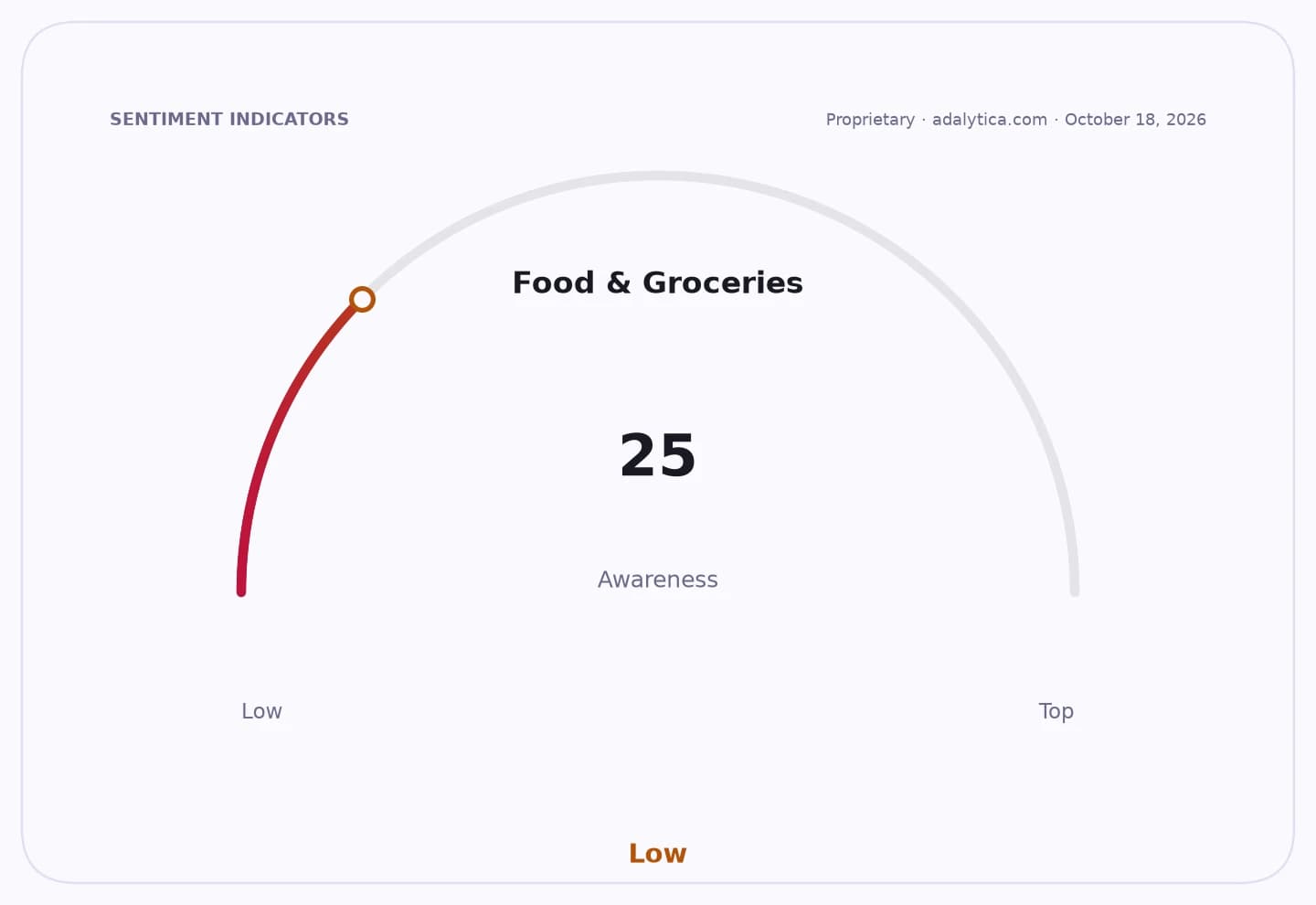
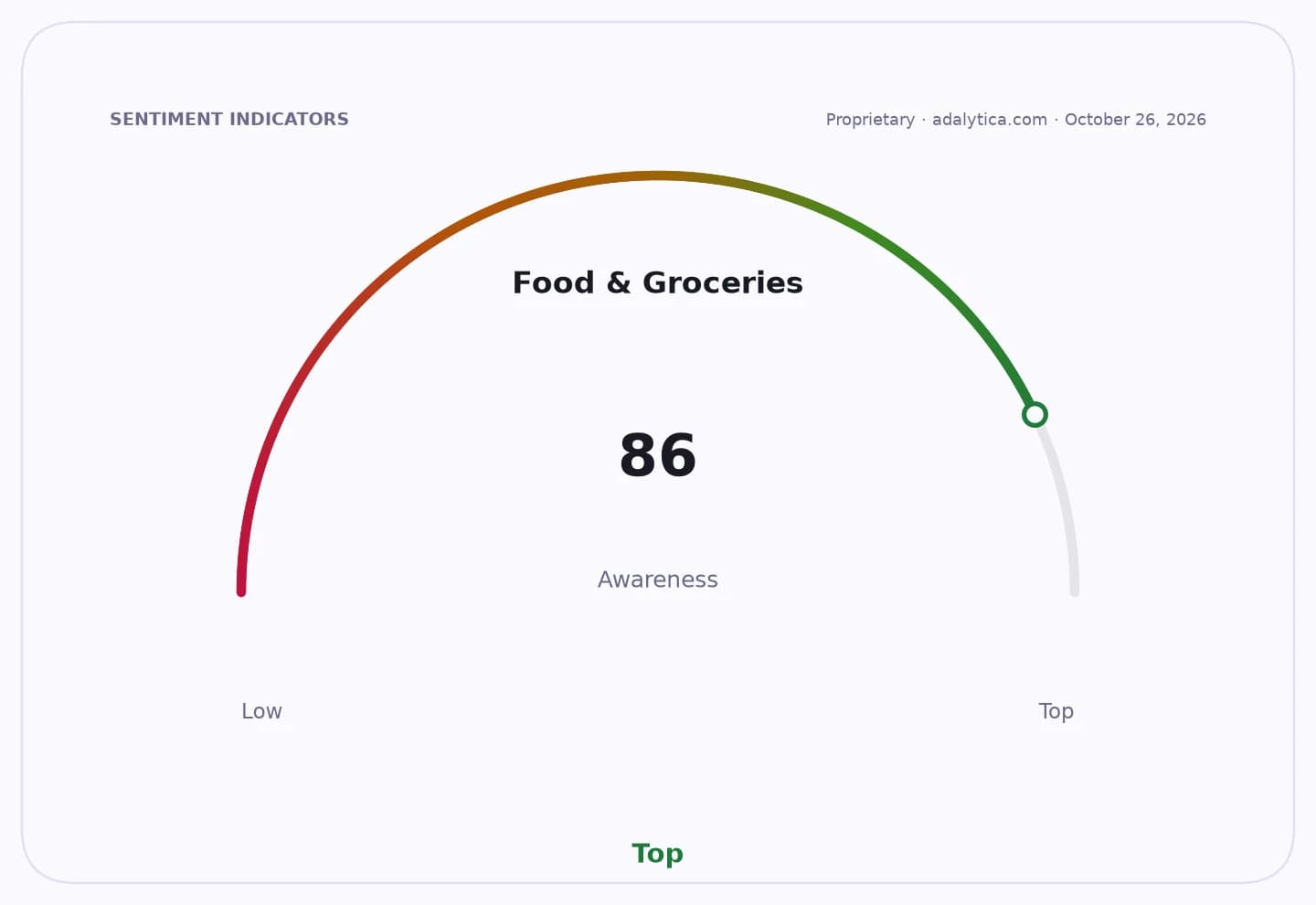
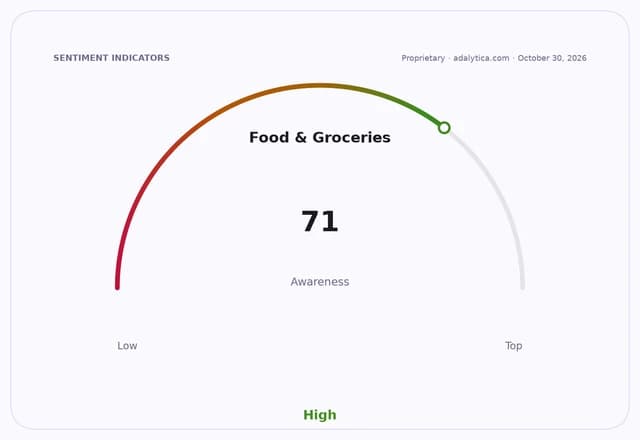
Sentiment Indicators
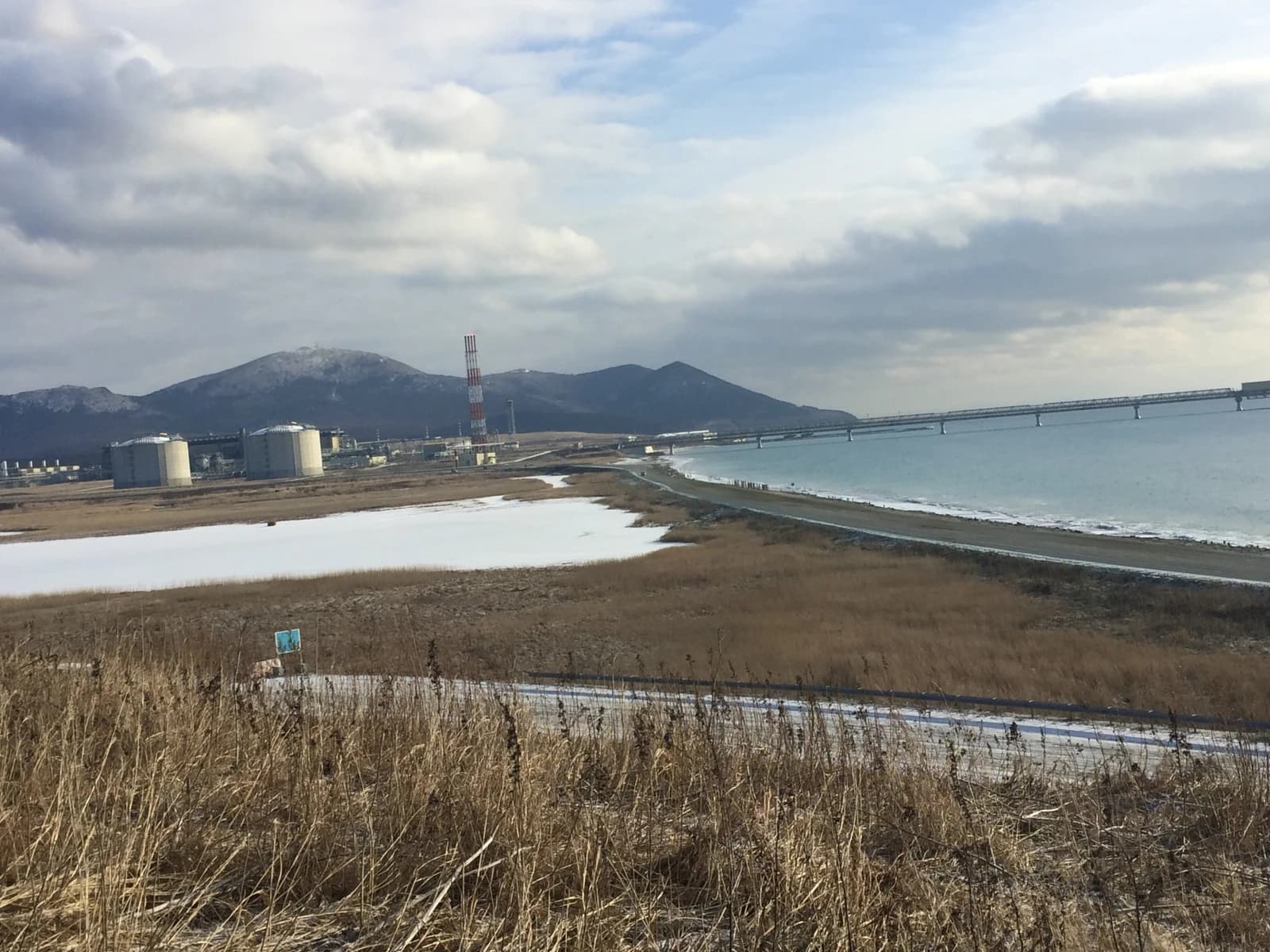
The Governor Inspection Team said six godowns in the 150-kanal Azakhel complex were inundated by floodwater, and samples sent to the Pakistan Council of Scientific and Industrial Research came back as harmful to health. The inquiry said protective walls were incomplete, gaps allowed water to enter the storage blocks and the Food Department failed to set up a technical committee after the flooding.
The report also flagged missing stock records for the damaged grain and said no scientific testing had been done by the department before the governor’s intervention. Governor Faisal Karim Kundi ordered officials to protect remaining wheat reserves, tighten quality controls and identify those responsible, with a follow-up compliance report now due.
Food & Groceries — 30-day sentimentadalytica.com
Explore this data interactively — full history, time series and cross-market comparisons.
For investors, the immediate market read is not a national wheat shortage but a localized disruption that can still ripple through flour pricing, storage oversight and procurement discipline. It is also a reminder that food security risks in South Asia are increasingly about logistics, infrastructure and governance as much as crop output, especially when flood exposure meets weak warehouse controls.
The next catalyst is whether the provincial follow-up leads to disciplinary action, replacement of compromised stocks and a broader review of storage standards across Pakistan’s food system.
| Entity | Gains | Losses |
|---|---|---|
| Consumers | ▲Safer flour supply | ▼Near-term supply disruption |
| Provincial authorities | ▲Chance to restore credibility | ▼Accountability for negligence |
| Flour mills using Azakhel stock | ▲Cleaner supply chain standards | ▼Possible delays and higher sourcing costs |
| Wheat suppliers with intact inventory | ▲Better demand for uncontaminated grain | ▼Pressure on compromised stock holders |