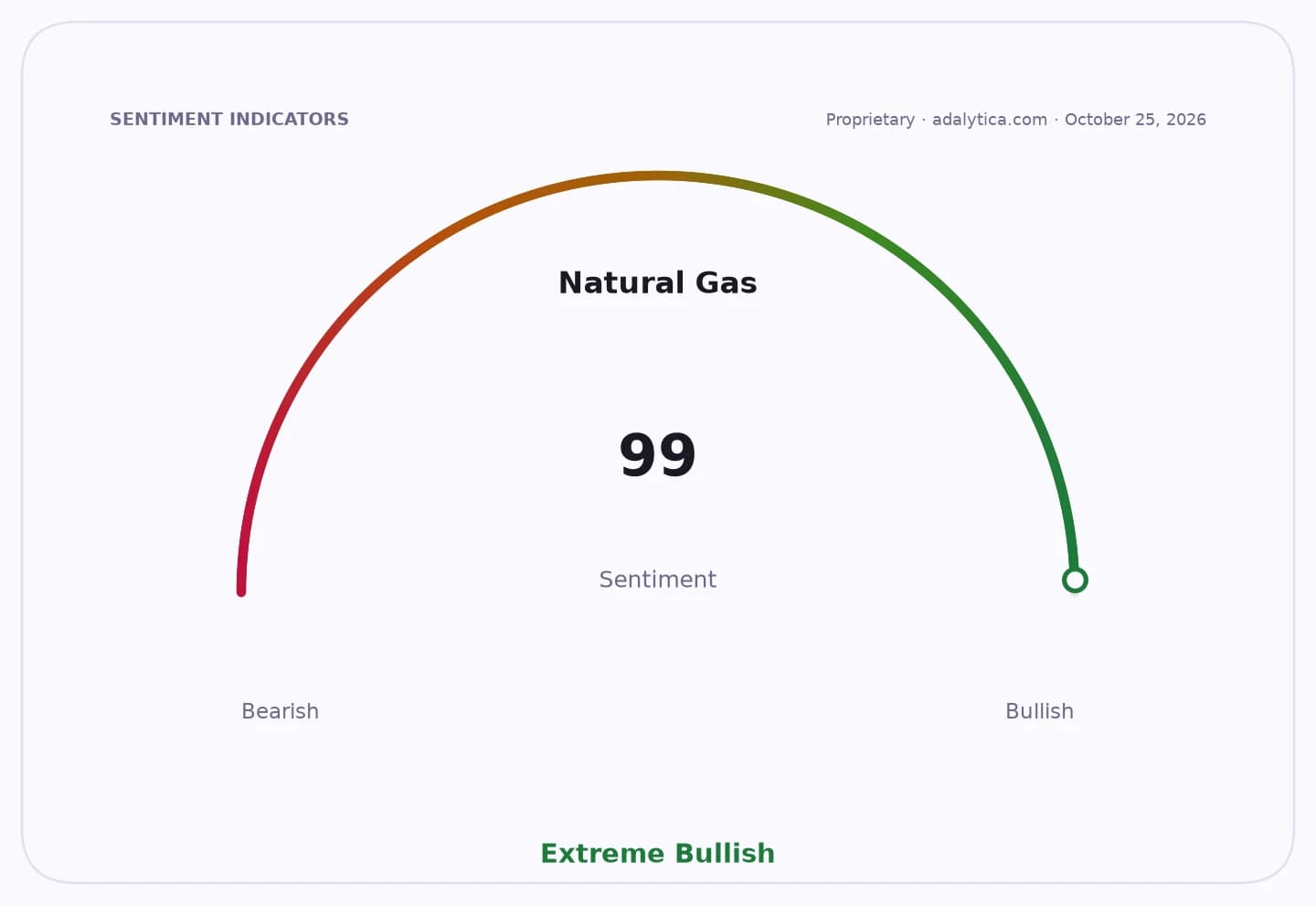
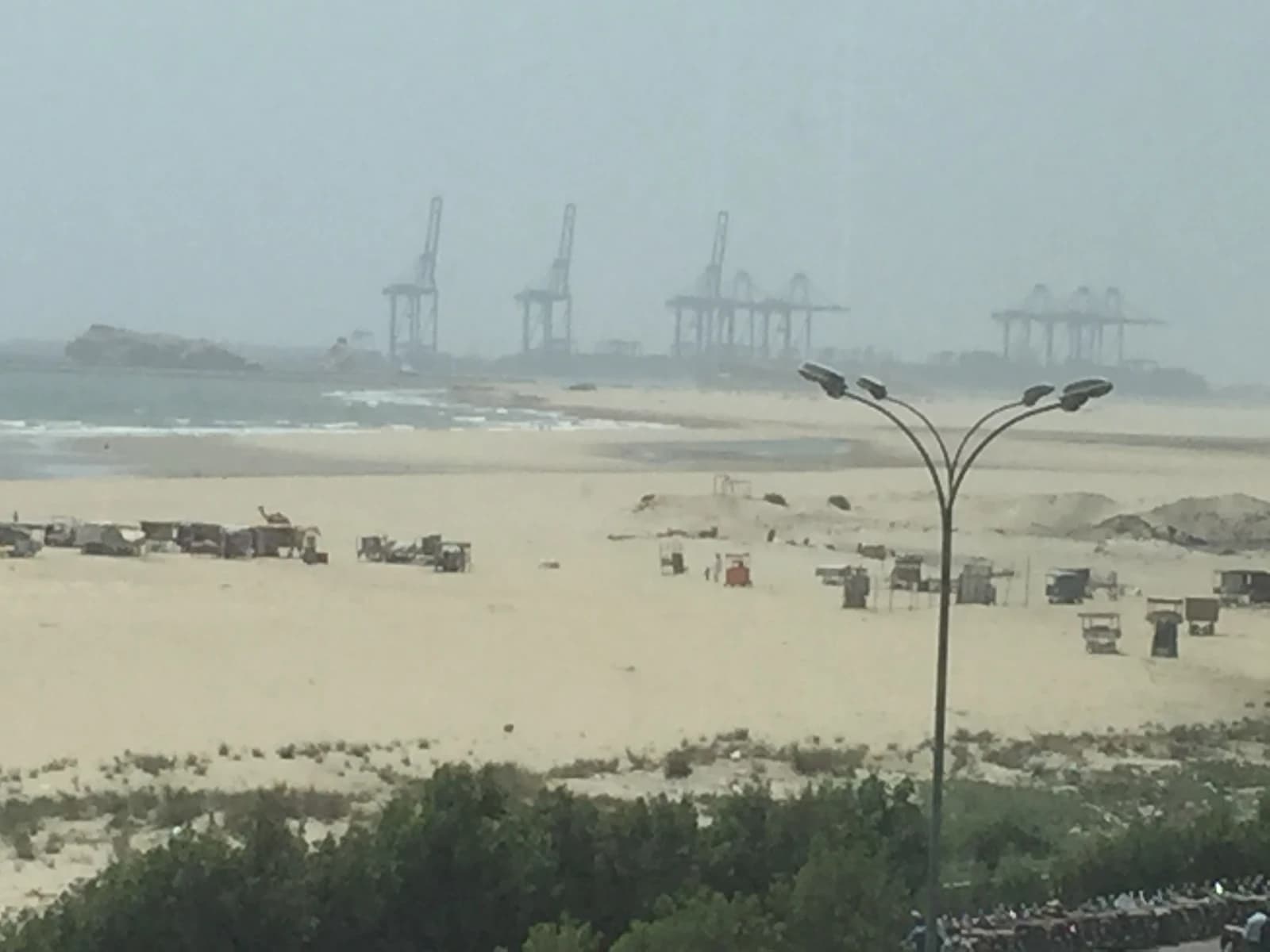
Pakistan’s government is weighing an estimated $2 billion LNG import plan to avert winter gas shortages that officials warn could force rationing for households and cuts to industry, power, fertiliser and transport users.
Pakistan weighs $2 billion LNG import plan
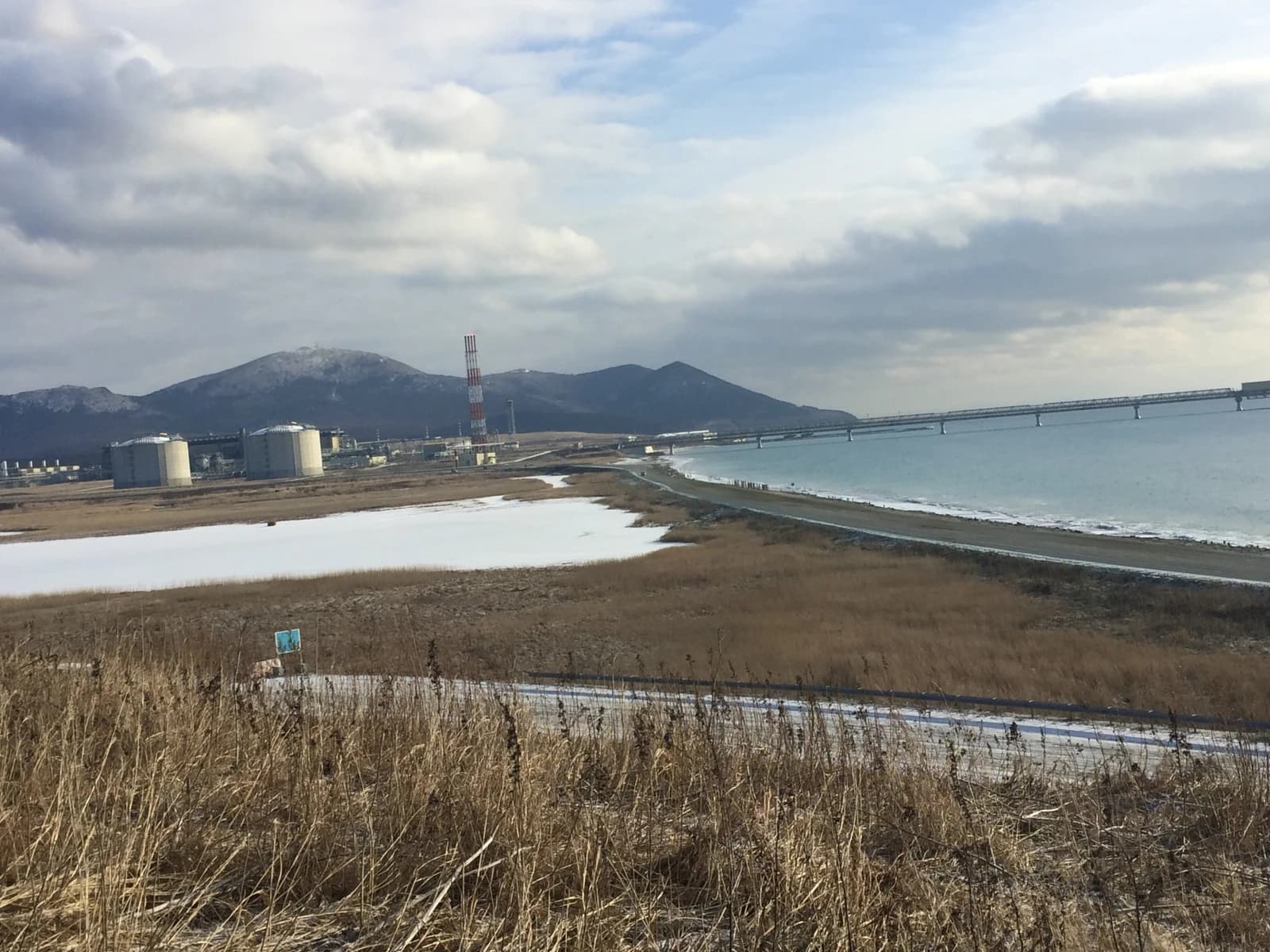
The delay matters because it has turned a seasonal fuel decision into a broader test of fiscal discipline, energy security and political stability. With domestic gas demand projected to jump from about 850 million cubic feet a day to 1.6 billion cubic feet a day in winter, the state is trying to decide whether to pay up for liquefied natural gas now or risk supply disruptions that could hit factories, power generation and fertiliser production.
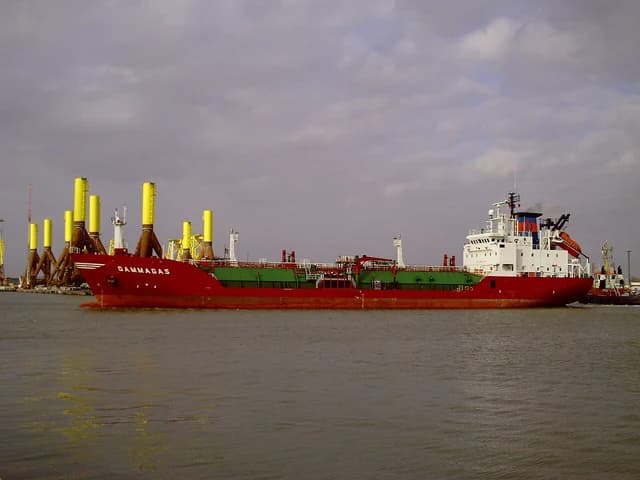
The Petroleum Division has urged the Cabinet Committee on Energy to authorise imports of 22 cargoes, but the committee has yet to act, even as October deadlines for arranging some shipments have already passed. Officials said the plan would require supplies from multiple sources, including Qatar, Azerbaijan and a U.S.-nominated seller, after uncertainty over deliveries from Qatar increased because of force majeure extensions tied to regional tensions.
That leaves Pakistan exposed to a costly spot market. The government initially pencilled in about $1.5 billion for imports, but a senior official said the bill now looks closer to $2 billion, based on an average price of $87 million per cargo. At a time when gross foreign exchange reserves are only a little above $21 billion, the decision would deepen pressure on external financing and test how much room Islamabad has to absorb another large energy import bill.
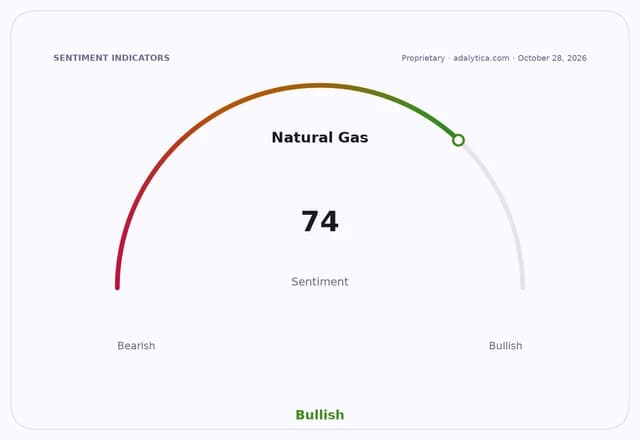
The stakes are especially high for industry and fertiliser producers. Officials said at least two fertiliser plants on the Sui Northern network could lose gas, raising the prospect of a monthly urea shortfall of 109,000 tonnes if plants including Fauji Fertiliser Bin Qasim, Fatima Fert and Agritech are curtailed. That would ripple through farm input costs and food inflation, while power-sector shortages could feed back into broader economic activity.
For investors, the story is less about a single LNG cargo than about Pakistan’s recurring dependence on imported fuel and the policy trade-offs that come with it. A decision to import would support domestic gas availability and limit immediate disruption, but it would also add to import financing needs and reinforce pressure on the rupee and reserves. A delay, meanwhile, risks energy rationing, industrial losses and political unease as winter demand peaks.
The broader market backdrop is also supportive of the government’s caution. Global LNG trade remains tight and vulnerable to geopolitical shocks, making spot purchases more expensive and less certain than long-term contracts. For Pakistan, that means the cost of waiting may be measured not only in higher prices, but in possible outages that the government is trying to avoid by prioritising household supply.
| Entity | Gains | Losses |
|---|---|---|
| Residential gas users | ▲Priority supply | ▼Industrial rationing risk |
| LNG suppliers | ▲Higher spot demand | ▼Delayed procurement decisions |
| Fertiliser plants | ▲None | ▼Gas cuts and production losses |
| Pakistani government | ▲Short-term supply relief if approved | ▼Reserves, fiscal room, political capital |