Pakistan’s economy can reach $100 billion in exports, Planning Minister Ahsan Iqbal said, but that target will depend on whether the country can fix the trade frictions that are already disrupting commerce with Afghanistan and widening pressure on exporters.
Pakistan Export Target Tied to Afghan Trade Frictions
The ambition is economically significant because Pakistan still relies heavily on external financing, a narrow export base and a fragile trade corridor network. A step-up to $100 billion would imply a much larger foreign-exchange cushion, less dependence on imports funded by borrowing and a more durable path to stabilizing the rupee. For investors, it would also signal a structural upgrade in the country’s growth model rather than the short-lived export bumps that often follow currency weakness.
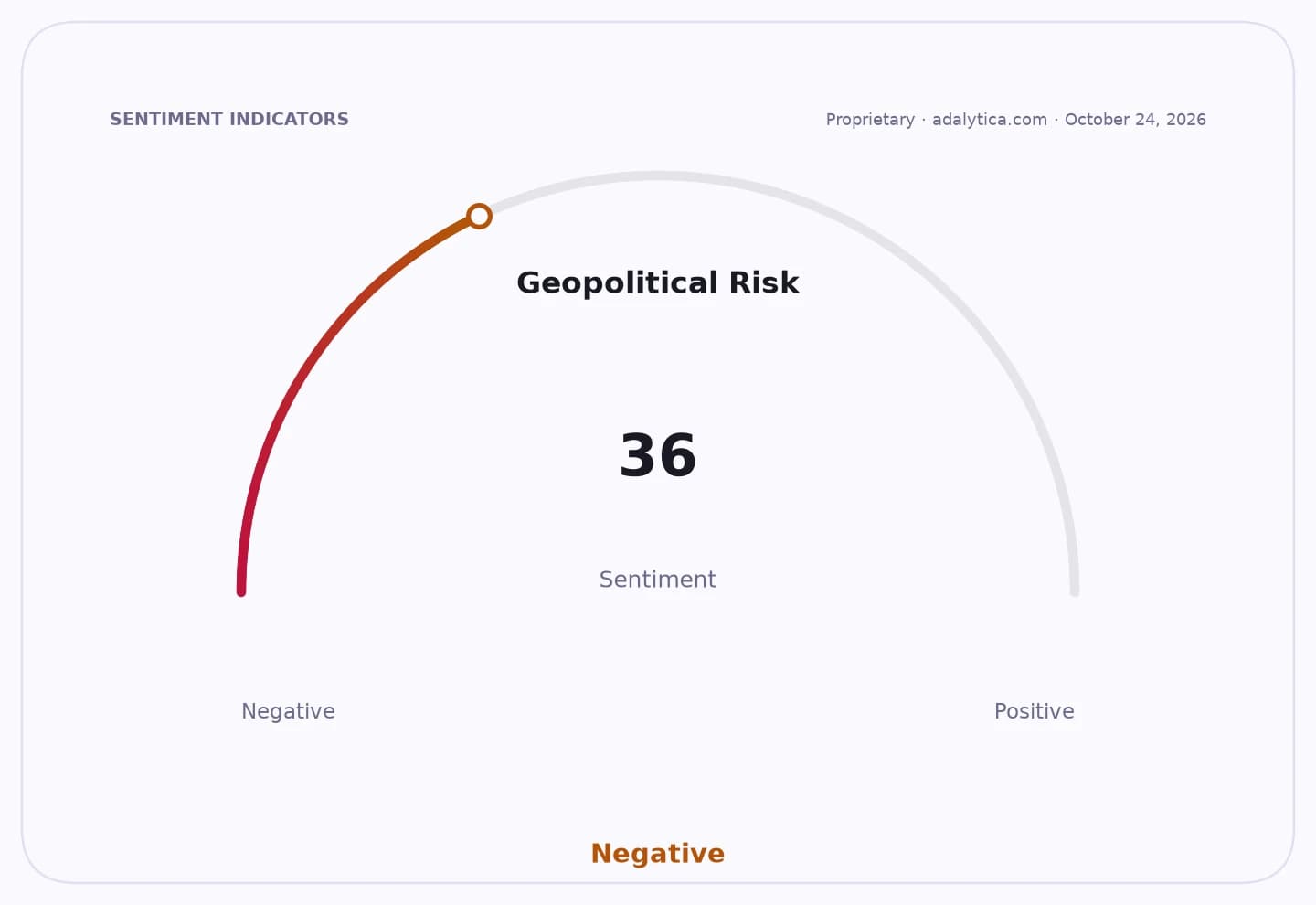
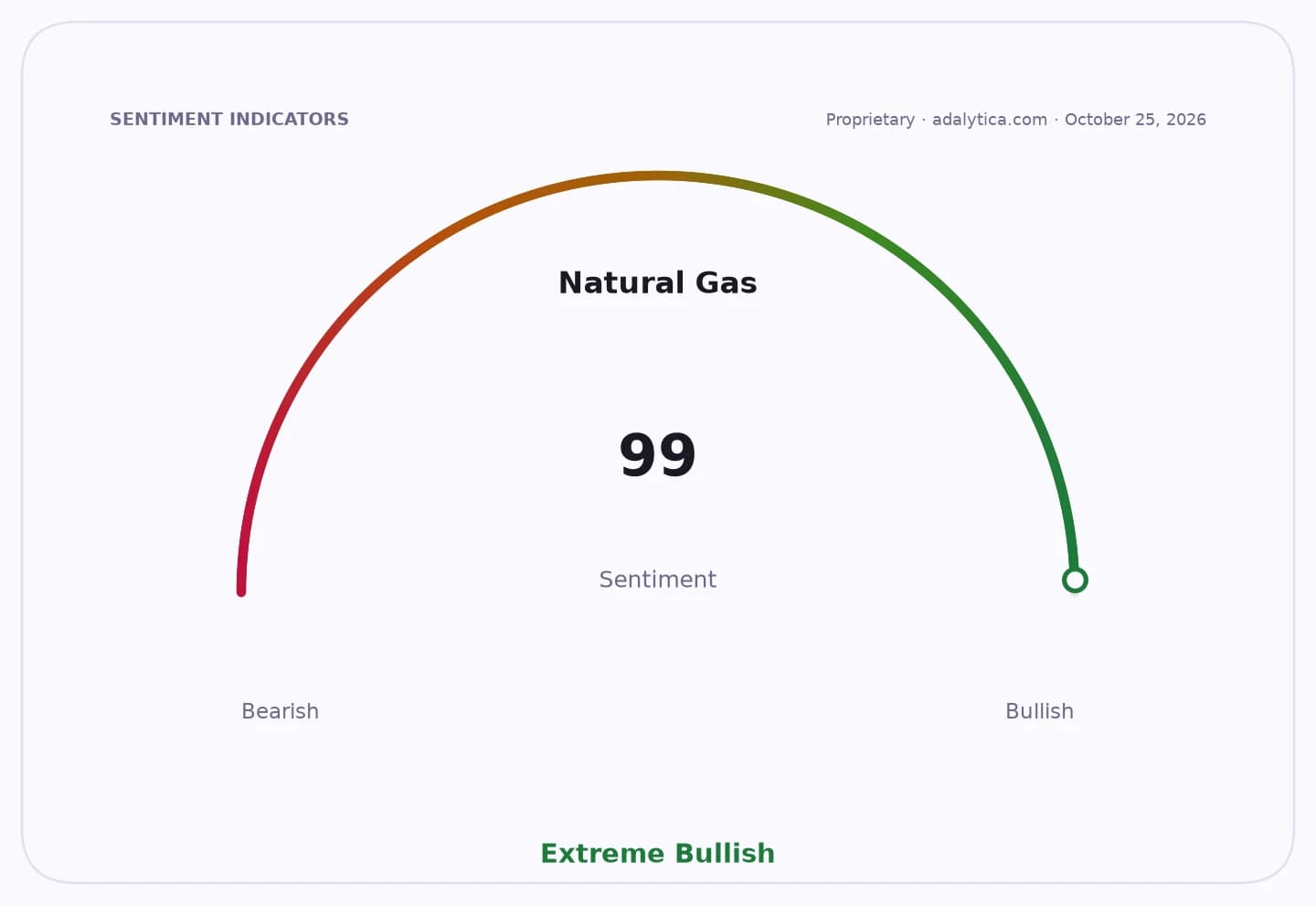
Sentiment IndicatorsⓘProprietary · adalytica.com · October 25, 2026
This is a snapshot — live sentiment, awareness and momentum for 130+ markets update continuously in the dashboard.Open AlphaPulse
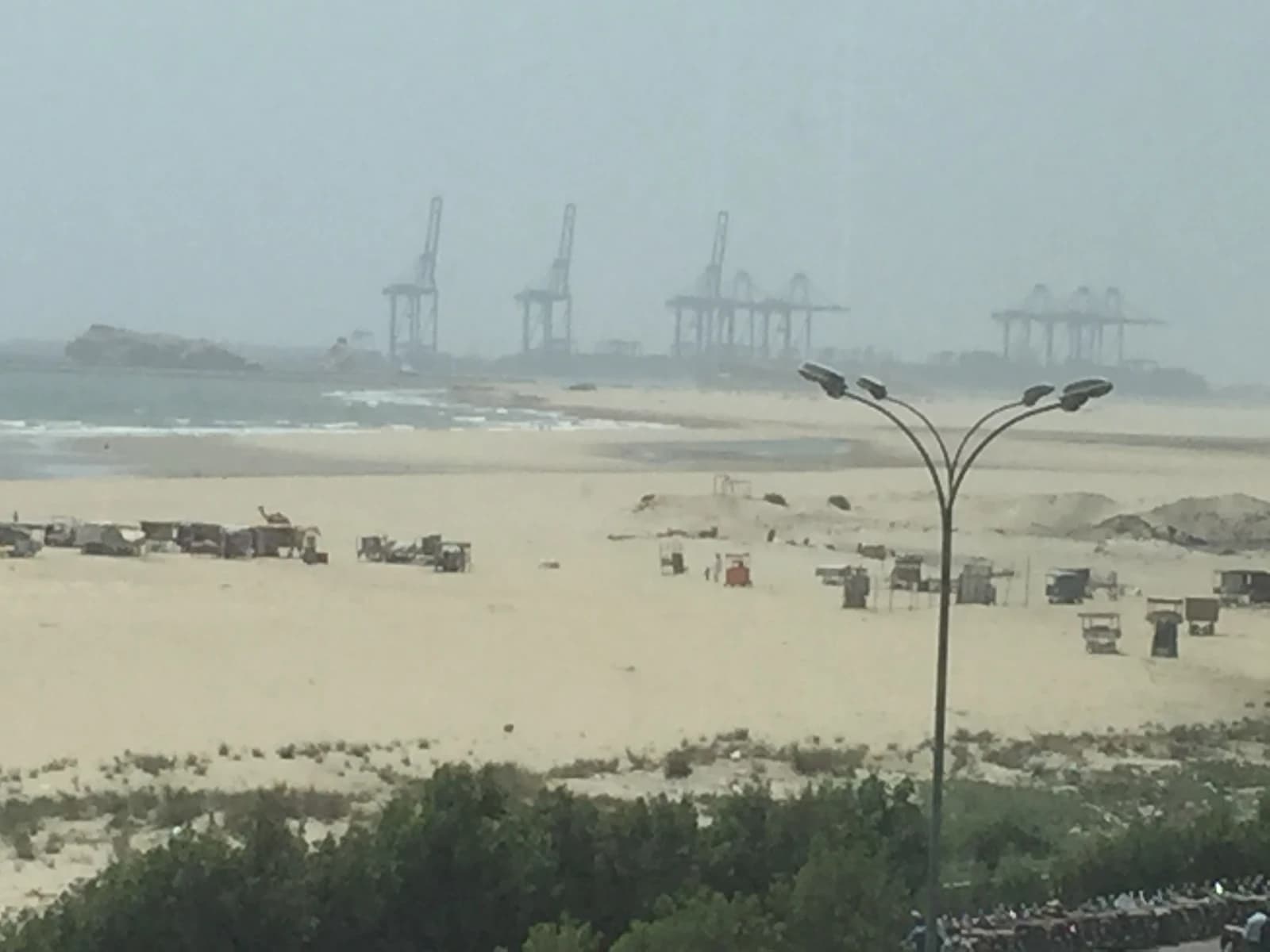
The timing matters. Pakistan is already dealing with a worsening LPG shortage after closing its border with Afghanistan, a move that has disrupted transit routes and cut bilateral trade sharply. News reports indicate commerce between the two countries has fallen by 95%, while Afghan traders’ goods have been auctioned at Karachi port. That kind of disruption highlights how exposed Pakistan’s exporters are to geopolitical shocks, especially in energy, textiles and food supply chains that depend on predictable border access.
The gap between the government’s export rhetoric and current trade conditions is what investors will focus on. Pakistan’s export prospects are not just a question of demand, but of logistics, border management, energy availability and policy consistency. If transit routes remain unstable, even competitive sectors can struggle to scale. If authorities can reopen routes and ease restrictions, the recovery could quickly improve shipment flows, lower import bottlenecks and support industrial activity.
Financial markets have already been pricing in a more constructive outlook for Pakistani assets. Pakistan’s U.S.-listed ETF has rallied sharply from earlier lows, with technical indicators including its 50-day and 200-day moving averages pointing to a stronger trend. That suggests investors are willing to look through near-term disruptions for signs of stabilization. But the trade shutdown with Afghanistan is a reminder that the export story will depend on execution, not just policy targets.
For now, the $100 billion goal is best read as a statement of potential, not a forecast. It frames the central question for Pakistan’s economy: whether the country can turn episodic trade flows into a reliable export platform before energy shortages, border closures and political strains erode momentum.
| Entity | Gains | Losses |
|---|---|---|
| Pakistan exporters | ▲Larger market access | ▼Border disruptions |
| Government reform agenda | ▲Credibility from export targets | ▼Pressure if trade stays weak |
| Import-dependent sectors | ▲Less FX strain if exports rise | ▼Higher costs from shortages |
| Afghan traders | ▲Reopened transit routes | ▼Goods stuck at port |