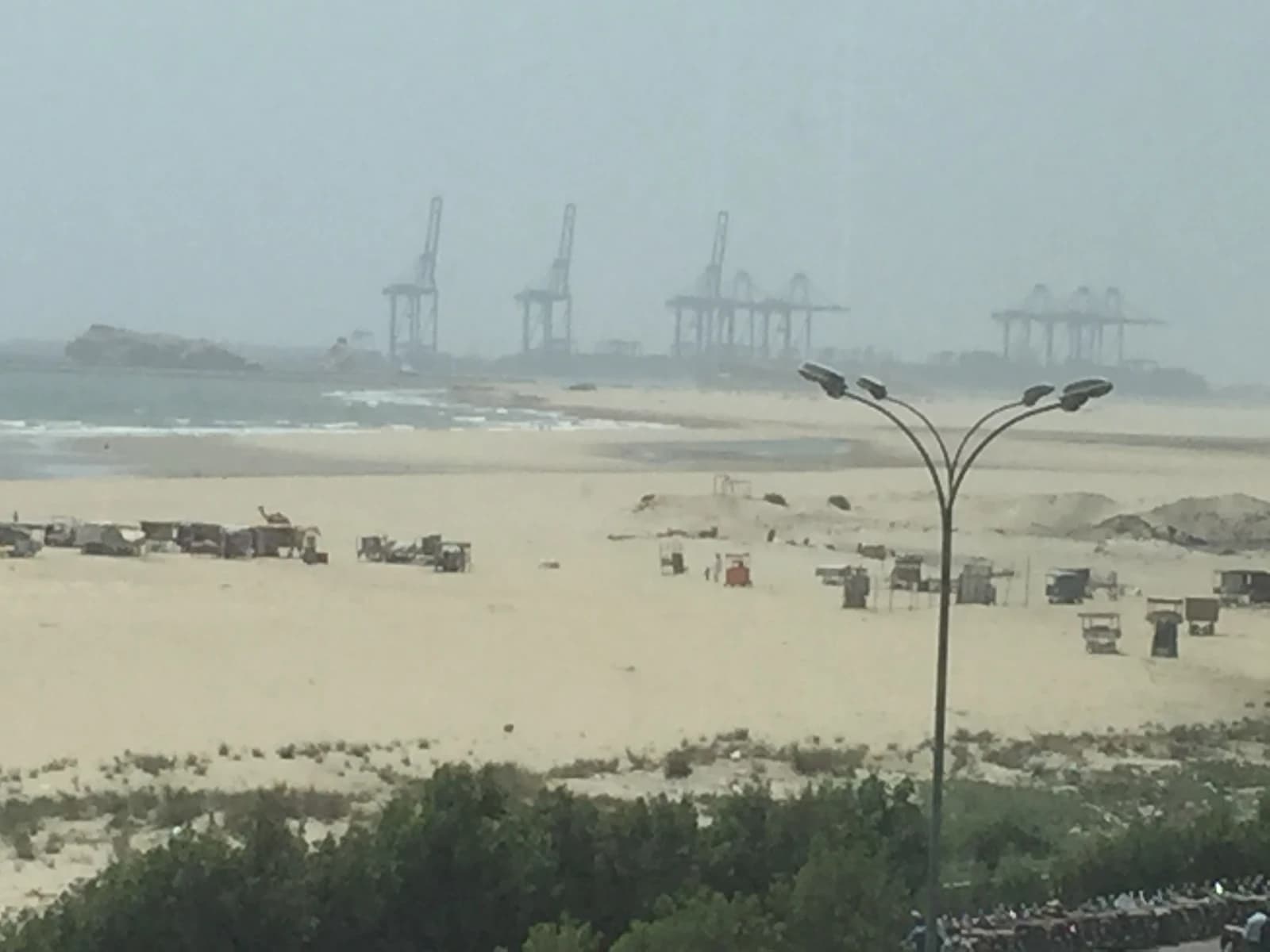
Target is preparing to buy 18 liquefied natural gas cargoes between November and February as Pakistan moves to shore up winter fuel supplies ahead of an expected domestic gas squeeze that could leave households and industry short of energy.
Pakistan to Buy 18 LNG Cargoes for Winter
The plan matters because it points to a familiar but economically costly reality for Pakistan: when local gas production cannot meet demand, the country must lean on imported LNG, often at high and volatile spot prices. That raises pressure on the trade balance, keeps energy inflation elevated and forces policymakers to choose between subsidizing fuel, cutting usage or passing costs through to consumers.
According to petroleum ministry sources, the government briefed the prime minister on gas consumption and said winter demand would stretch from November to February. Officials are prioritizing cheaper LNG from Qatar, but if that supply does not open up, they may turn to spot cargoes. The ceiling for spot purchases could be as high as $30 per million British thermal units, a level that would be painful for an economy already managing external financing pressures.
The scale of the shortfall is striking. Petroleum division sources said total domestic gas available to Sui Northern and Sui Southern would be about 1.4 billion cubic feet a day, while Punjab alone could need as much as 1 billion cubic feet in winter. They also said local gas would be insufficient even to meet household demand, which suggests rationing, pressure drops or industrial curtailments may be hard to avoid if imports do not arrive on time.
For investors, the story is not just about one winter. It is about Pakistan’s continuing dependence on imported fuel and the knock-on effects for power generation, fertilizer, textiles and other gas-intensive sectors. If LNG prices stay elevated, energy costs can weigh on corporate margins, widen the current-account bill and keep the state under pressure to manage tariffs and subsidies carefully.
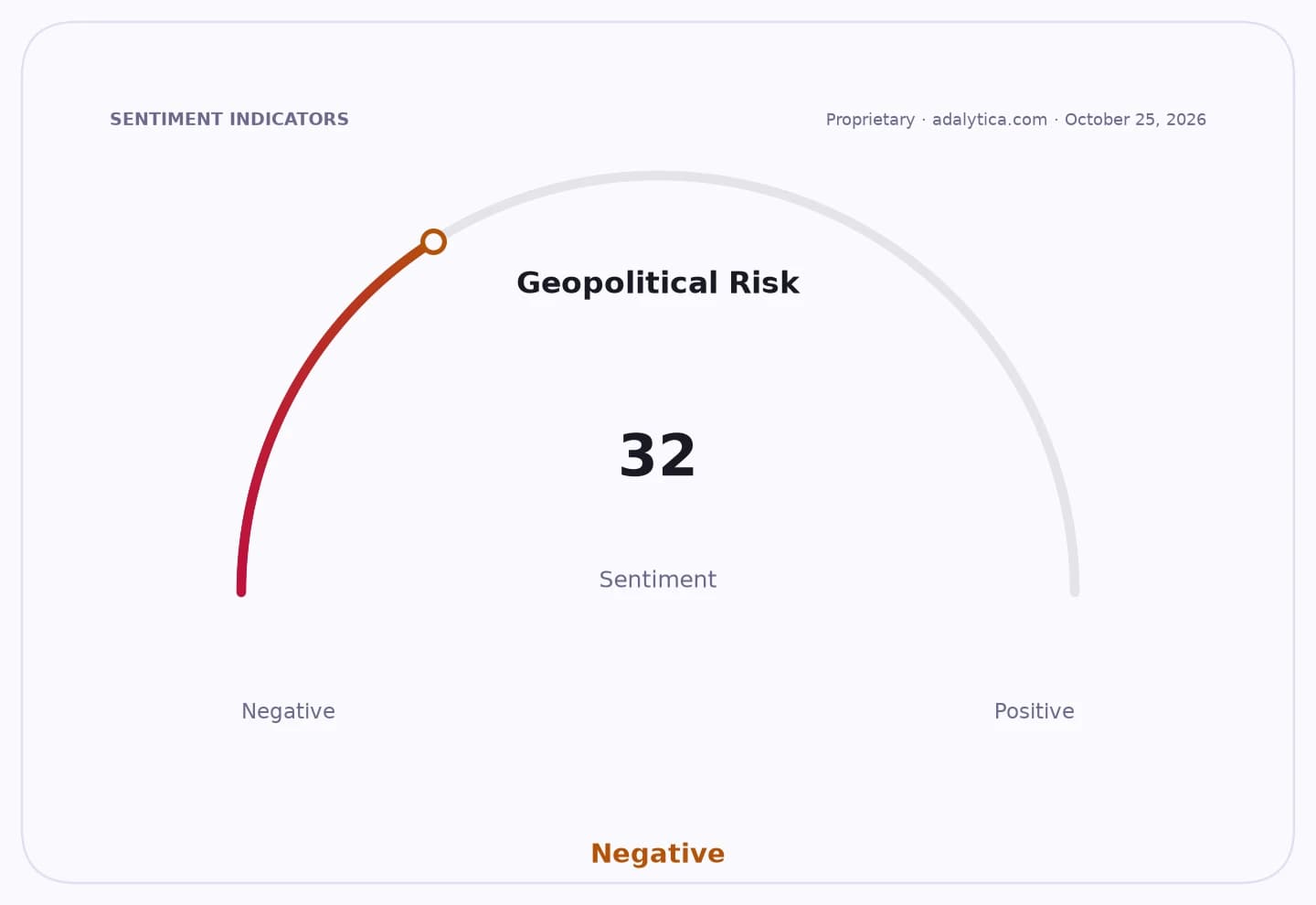
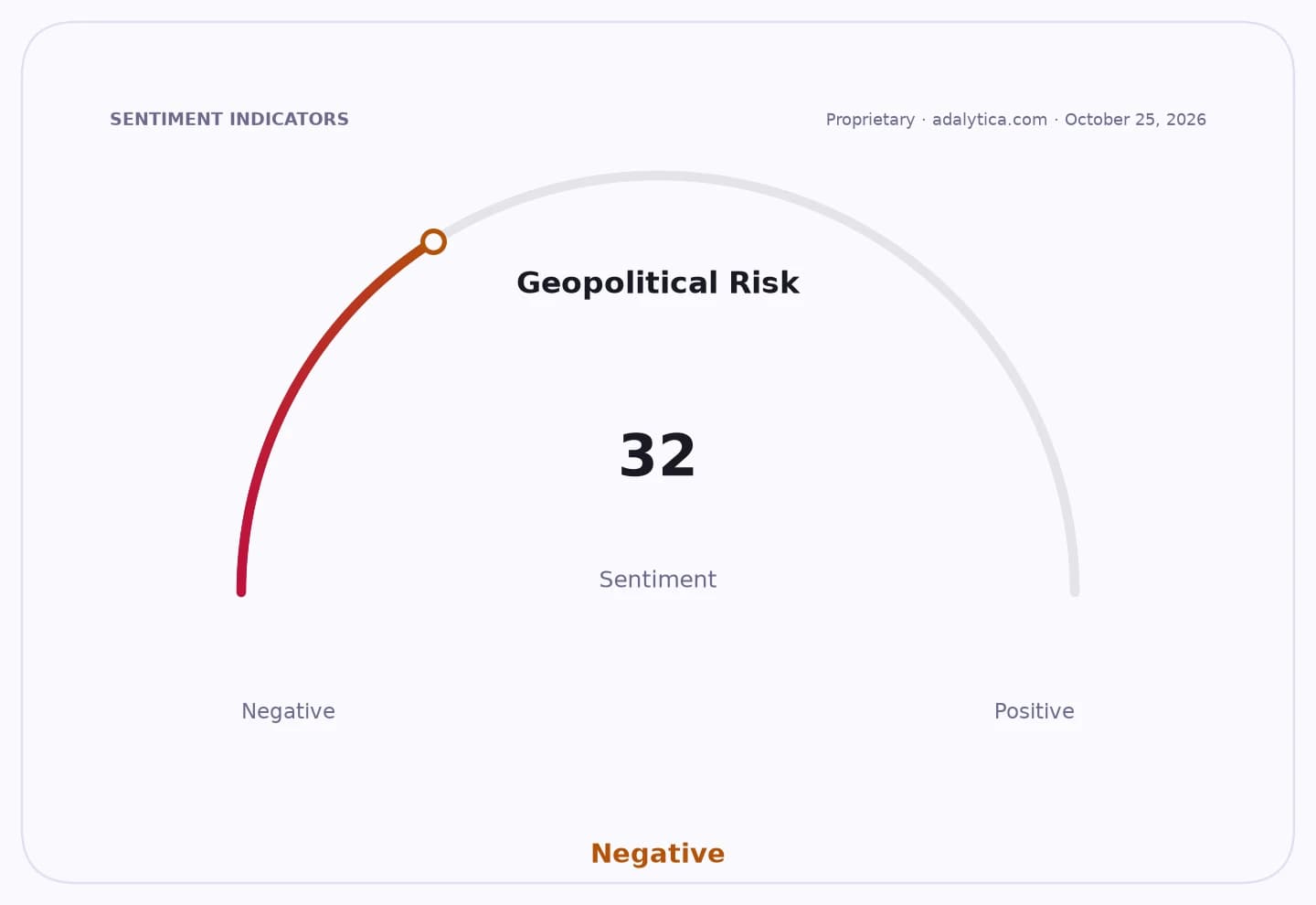
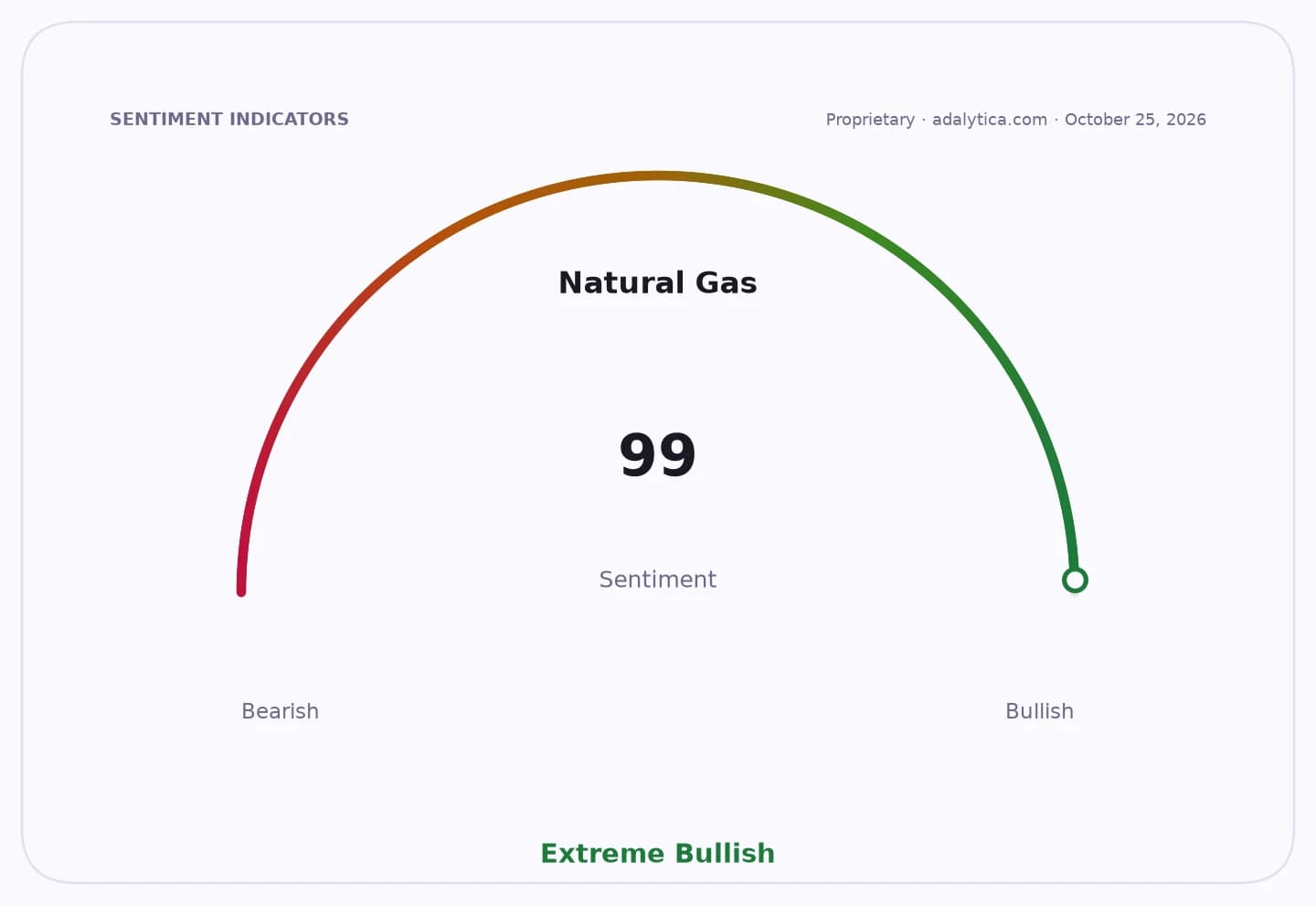
That helps explain the market backdrop. Natural gas has been attracting heavy attention, and the Adalytica.com natural gas trade signal shows “Extreme Greed,” while the broader global stability gauge has improved only modestly. In plain terms, the market is alert to any supply shock, and winter demand in South Asia can quickly ripple through cargo availability and pricing.
Longer term, Pakistan’s challenge is structural: domestic supply has lagged demand for years, and incremental fixes only buy time. Unless local production improves or demand is managed more aggressively, winter LNG purchases will remain a recurring bill rather than a one-off response. For investors in global gas markets, shipping and energy infrastructure, that recurring need is worth watching closely.
| Entity | Gains | Losses |
|---|---|---|
| LNG exporters | ▲Higher winter demand | ▼Less spare cargoes |
| Qatar suppliers | ▲Preferred contract sales | ▼Buyers seeking spot alternatives |
| Pakistan households | ▲Short-term fuel access | ▼Higher energy costs |
| Pakistani industry | ▲Continued gas supply | ▼Margin pressure from expensive fuel |