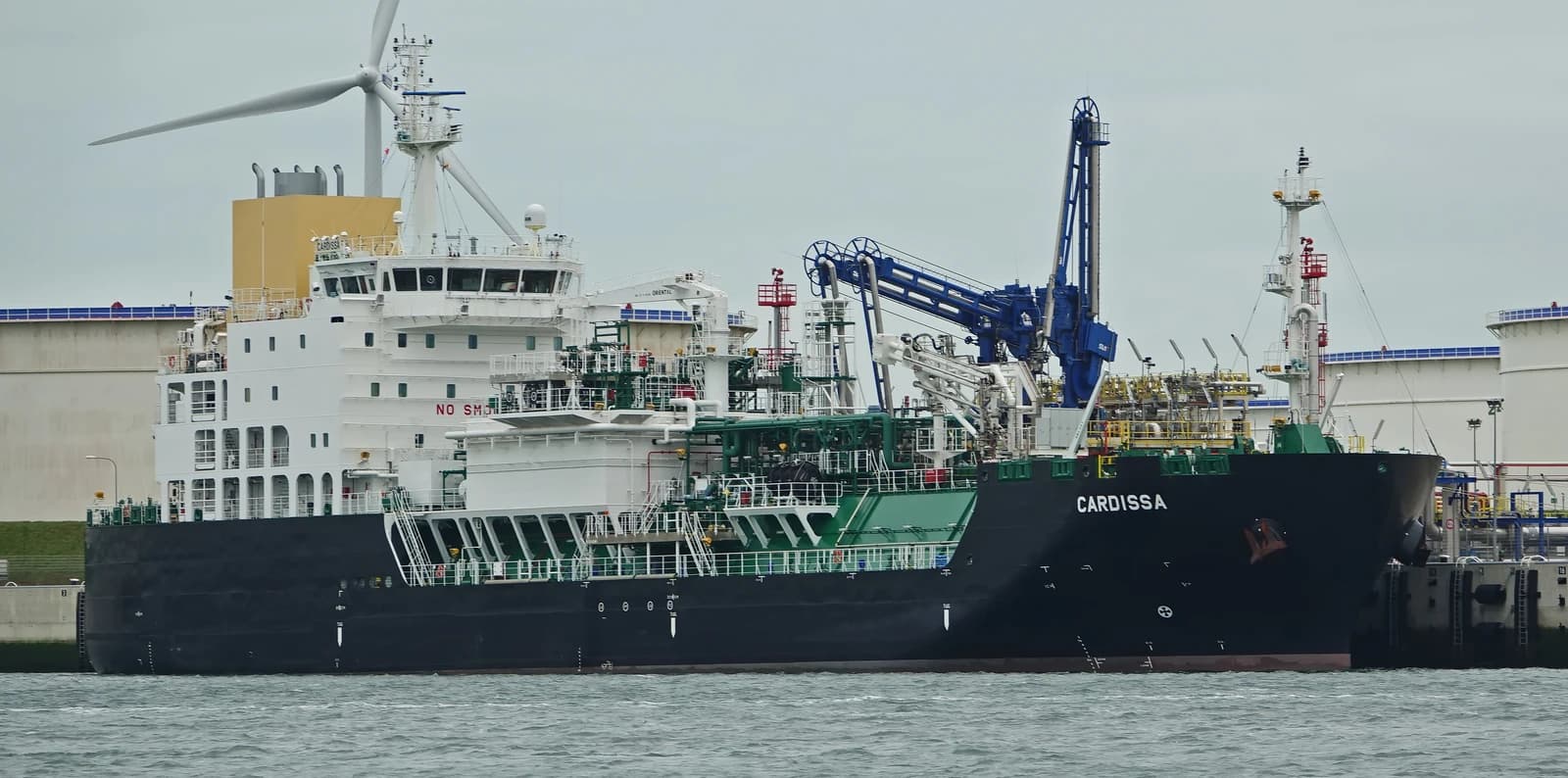
Pakistan is scrambling for alternative LNG cargoes and preparing possible gas curbs this winter after Qatar extended force majeure on deliveries through Nov. 5, exposing how dependent the South Asian country remains on one supplier for heating, power and industry.
Pakistan seeks LNG cargoes as Qatar force majeure extends
The move matters because Pakistan’s gas balance tightens sharply in the colder months just as imported LNG makes up about a fifth of total gas use. With domestic output falling and winter demand rising, any prolonged disruption from Qatar risks forcing the government to choose between expensive spot cargoes and rationing supplies to households, factories and power plants.
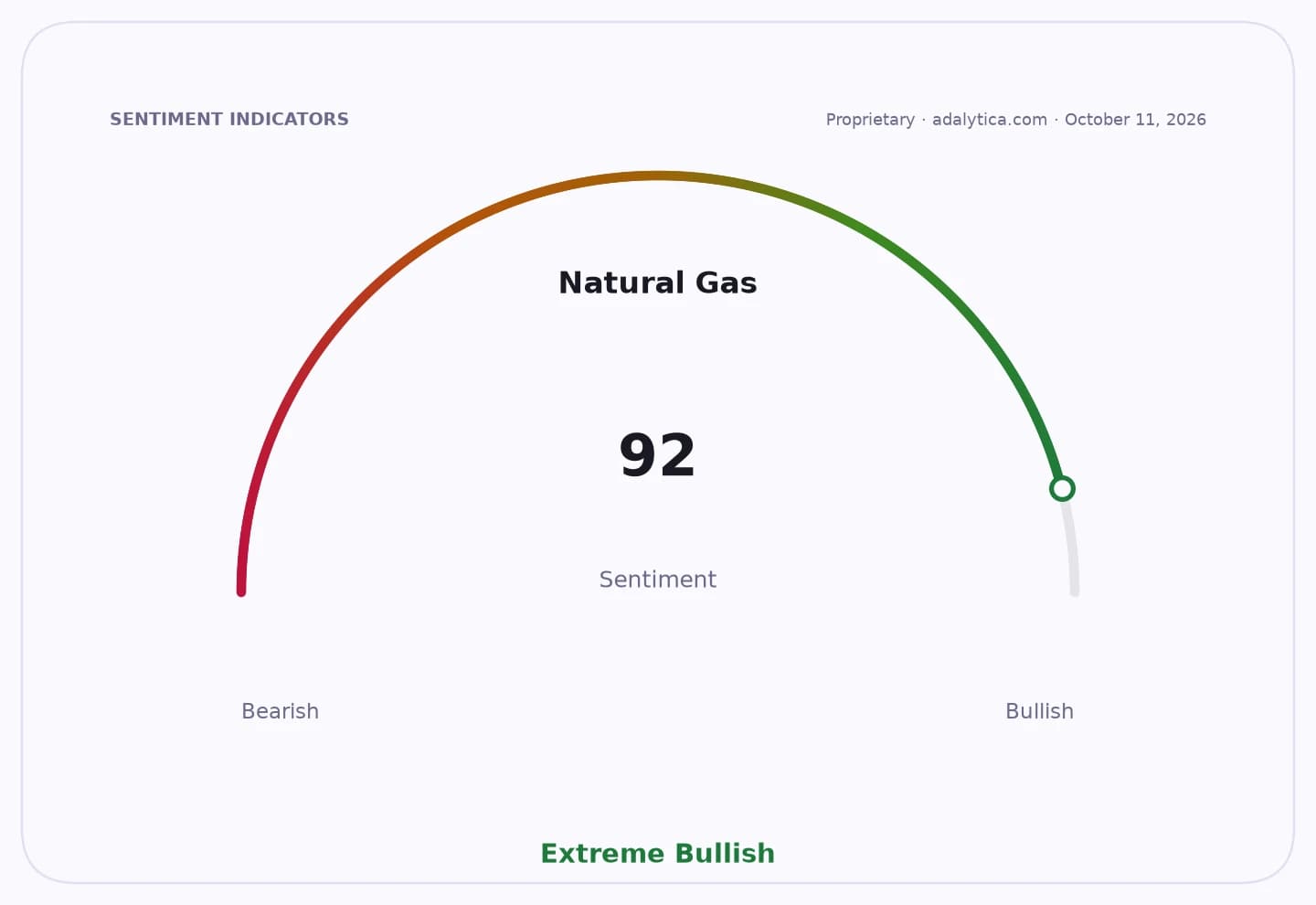
Sentiment IndicatorsⓘProprietary · adalytica.com · October 9, 2026
This is a snapshot — live sentiment, awareness and momentum for 130+ markets update continuously in the dashboard.Open AlphaPulse
Officials said the petroleum ministry has told state-run Pakistan LNG Ltd. to look for cargoes from the US, the Middle East and Azerbaijan, with state-owned SOCAR among the options. The government has also set a ceiling of $27 per MMBtu for spot purchases, while officials warned market prices could climb to about $29, a level that would quickly strain the budget.
Pakistan’s exposure is unusually acute. Of the 36 LNG cargoes it imported last winter, 35 came from Qatar, according to official data, underscoring how little room Islamabad has if Qatari flows stay constrained. The country imported six LNG cargoes in November 2025, 10 in December, 12 in January and eight in February, showing how heavily it leans on winter supply to bridge demand.
The government is also preparing a load-management plan that would prioritize local gas for households and route re-gasified LNG to power generation and industry. Officials said curtailments could hit selected sectors if available gas falls short, while the prime minister has ordered authorities to ensure uninterrupted imports and widen public use of alternative heating options.
Islamabad is trying diplomatic channels with Qatar, Iran and the US to keep Qatari shipments moving through the Strait of Hormuz, but officials said shipping, insurance and vessel captains still have to sign off before cargoes move. Pakistan is also considering letting private companies use unused capacity at two LNG terminals, though one official said that would not solve the underlying problem if global spot prices stay high.
For investors, the story points to firmer LNG demand in Asia and persistent support for spot prices if winter weather turns colder or Hormuz remains disrupted. It also highlights the geopolitical premium still embedded in gas flows from the Gulf, with Qatar central to supply security even as buyers keep searching for alternatives.
| Entity | Gains | Losses |
|---|---|---|
| QatarEnergy | ▲leverage over buyers | ▼delivery certainty |
| Pakistan households and industry | ▲priority access to local gas | ▼risk of curtailment |
| Spot LNG sellers in US/Middle East/Azerbaijan | ▲higher demand | ▼weaker bargaining power for buyers |
| Pakistan government/budget | ▲optionality from alternatives | ▼higher import costs |