Bangladesh’s gas shortage is expected to ease within days, but the bigger story is that the country’s energy system is becoming more import-dependent just as global fuel markets remain vulnerable to geopolitical shocks.
Bangladesh Gas Shortage Eases as LNG Reliance Grows

Prime Minister’s finance and planning adviser Rashed Al Mahmud Titumir said the government is bringing in gas from alternative sources and taking emergency measures to stabilize supply, after industrial users and households were hit by shortages. He put current gas demand at about 3,800 mmcfd against supply of 2,600 to 2,700 mmcfd, a gap that helps explain why the disruption has been biting into factory output and broader economic activity.
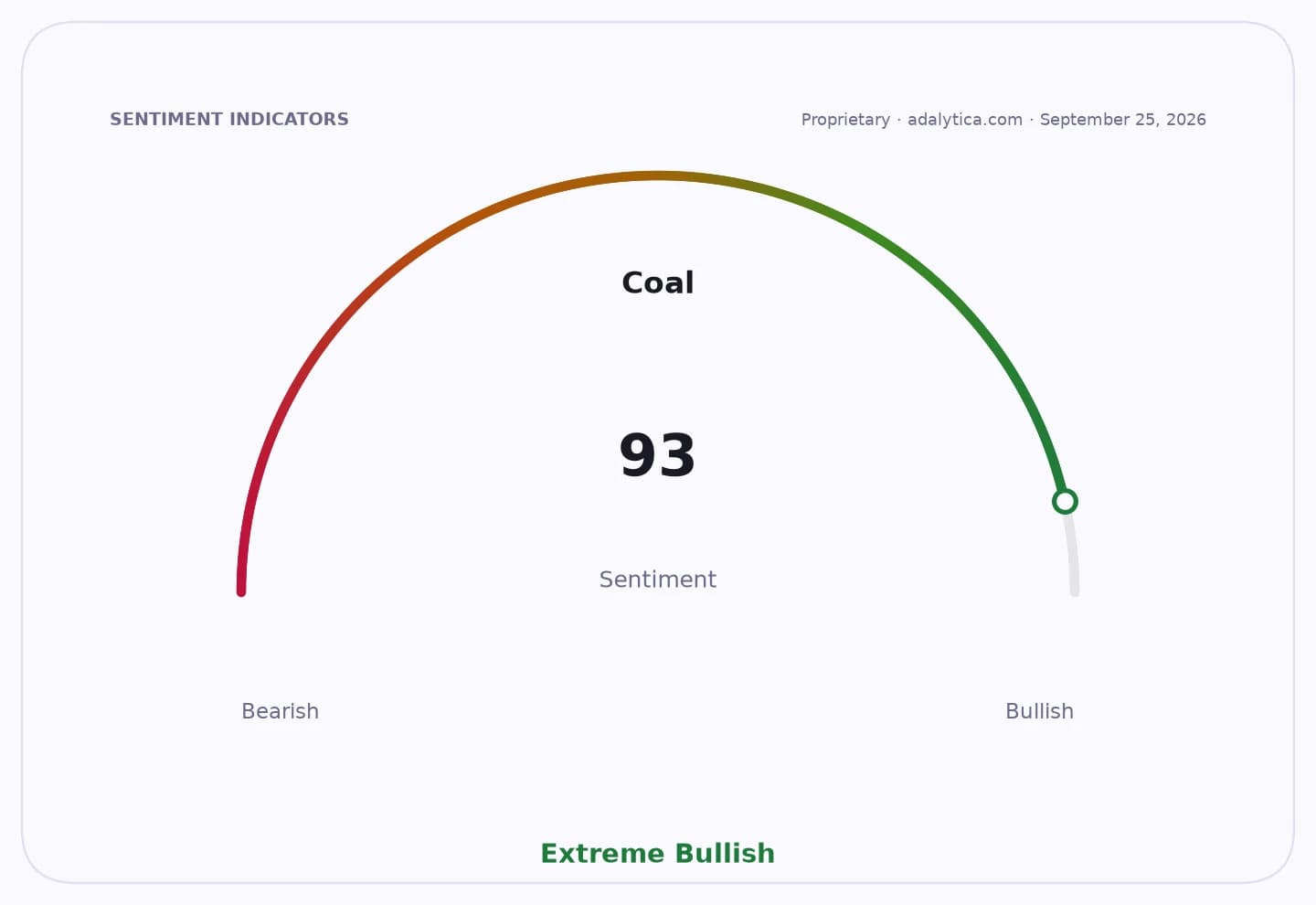
Sentiment IndicatorsⓘProprietary · adalytica.com · September 8, 2026
This is a snapshot — live sentiment, awareness and momentum for 130+ markets update continuously in the dashboard.Open AlphaPulse

That imbalance is not a temporary nuisance. Bangladesh’s energy demand is rising faster than domestic production, with Titumir saying around 1,600 mmcfd still comes from local fields and roughly 1,000 mmcfd from LNG. At the same time, total demand could climb to 5,200 mmcfd as new customers seek connections. That leaves the government exposed to imported LNG prices, shipping constraints and supply competition from other buyers when markets tighten.
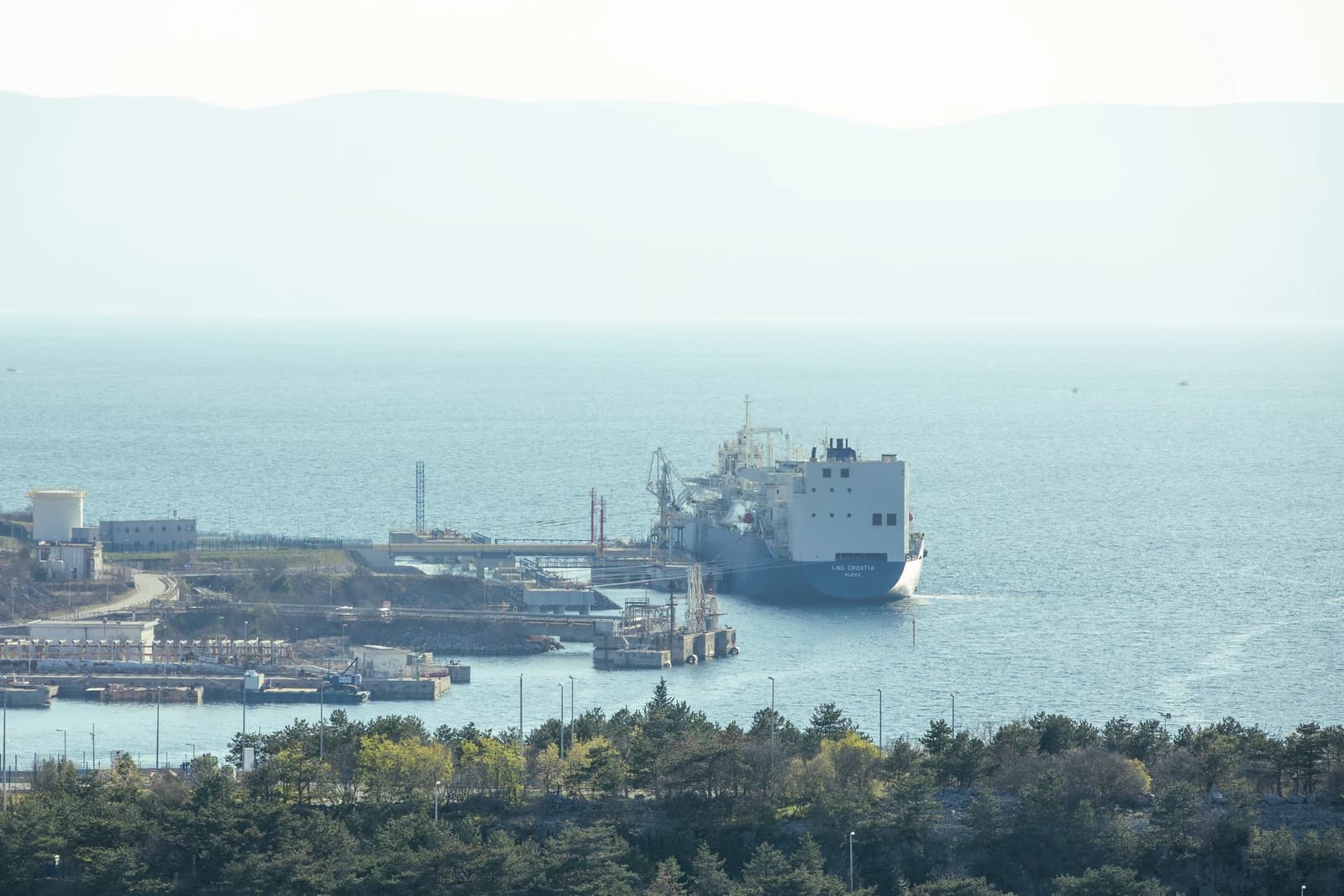
For investors, the message is twofold. First, the immediate normalization of gas supply should offer some relief to manufacturers, power users and consumer-facing businesses that have been squeezed by interruptions. Second, the structural fix is far from complete, which keeps the case alive for companies tied to energy infrastructure, LNG logistics, storage and power generation. Bangladesh is already moving to expand capacity, including a memorandum of understanding with a Chinese company for a 1,000 mmcfd land-based LNG terminal at Matarbari and a 600 mmcfd floating terminal off Maheshkhali.
The government is also trying to build more strategic resilience. Diesel reserves have risen to 32 days from 17 days in February, and officials want that extended to 90 days over the longer term. Titumir said the Rooppur nuclear plant could start generating electricity in early 2027, a reminder that Bangladesh’s energy strategy is gradually shifting from emergency fuel procurement toward a more diversified supply mix.
That shift matters because the country’s reliance on imports has surged. STEX Foundation chairman Ejaz Hossain said import dependence has climbed to about 62.5% from 20% in 2015, a 42.5 percentage-point jump in a decade. In practical terms, that means Bangladesh is increasingly pricing and planning its economy around international energy markets rather than domestic supply, making it more sensitive to oil and LNG volatility.
The investor takeaway is straightforward: the near-term trade is relief for local industry, but the longer-term opportunity sits in infrastructure that reduces Bangladesh’s import vulnerability. LNG terminals, storage, grid assets and baseload generation are the real beneficiaries of this crisis, while energy-intensive sectors remain hostage to the next supply squeeze.
| Entity | Gains | Losses |
|---|---|---|
| Bangladesh government | ▲Short-term supply relief | ▼Credibility if shortages return |
| LNG terminal and infrastructure builders | ▲More project demand | ▼Delays if financing stalls |
| Industrial gas users | ▲Near-term normalization | ▼Ongoing exposure to import prices |
| Domestic gas consumers | ▲Fewer outages | ▼Higher long-term energy costs |