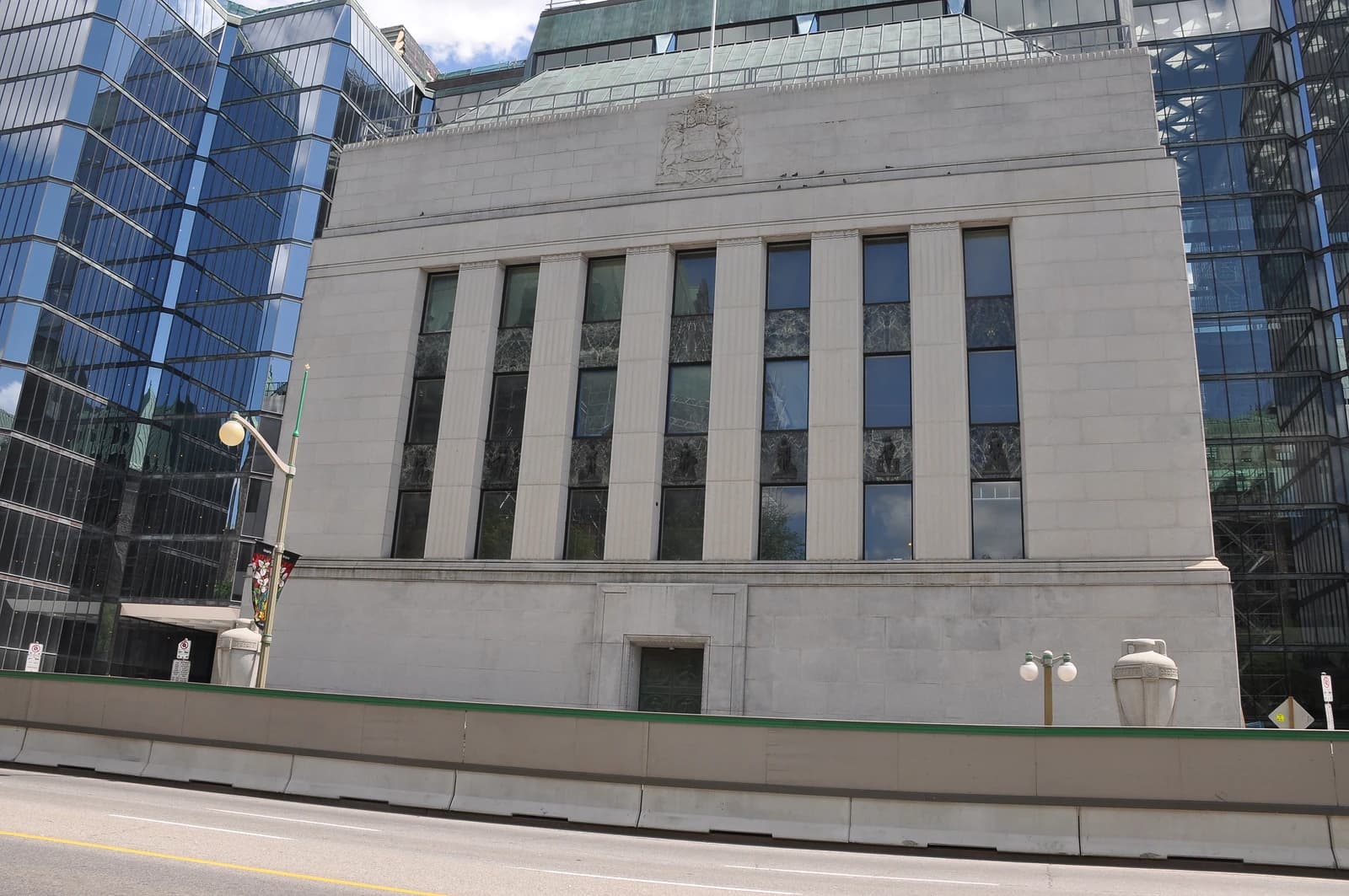
Canadian business sentiment improved in the latest Bank of Canada survey, but the outlook for investment, hiring and exports is being pulled lower by new U.S. tariffs that threaten to reprice cross-border trade and squeeze margins in key industries.
Canada business sentiment rises as U.S. tariffs weigh
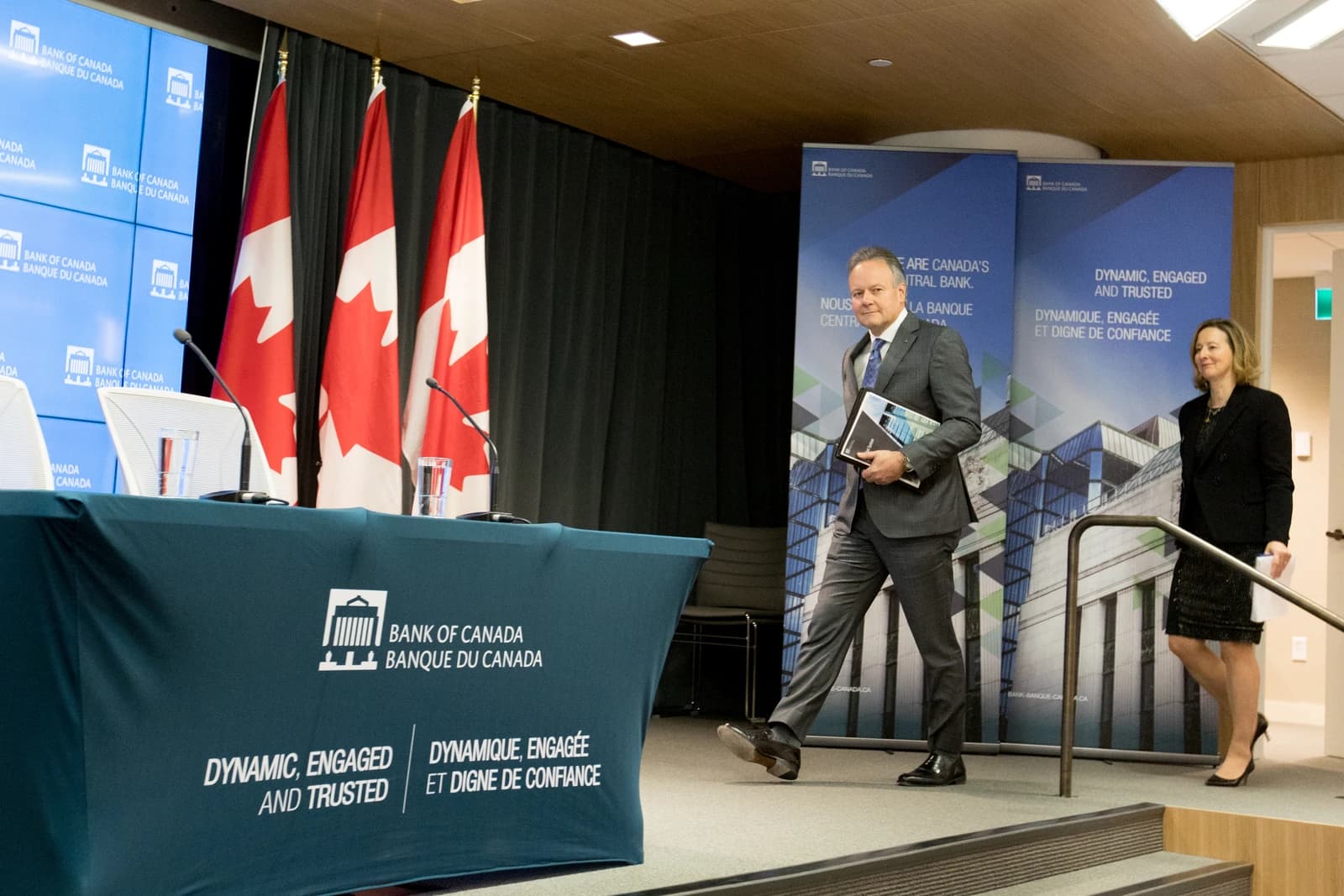
The report underscores a familiar problem for Canada’s economy: domestic demand may be stabilizing, but external policy shocks are again setting the terms of growth. For businesses, tariffs are not just a trade irritant. They raise input costs, complicate supply chains and make it harder to commit capital to factories, equipment and staffing. That matters for a country whose manufacturing base is tightly integrated with the U.S. and where sentiment can shift quickly when Washington changes trade rules.
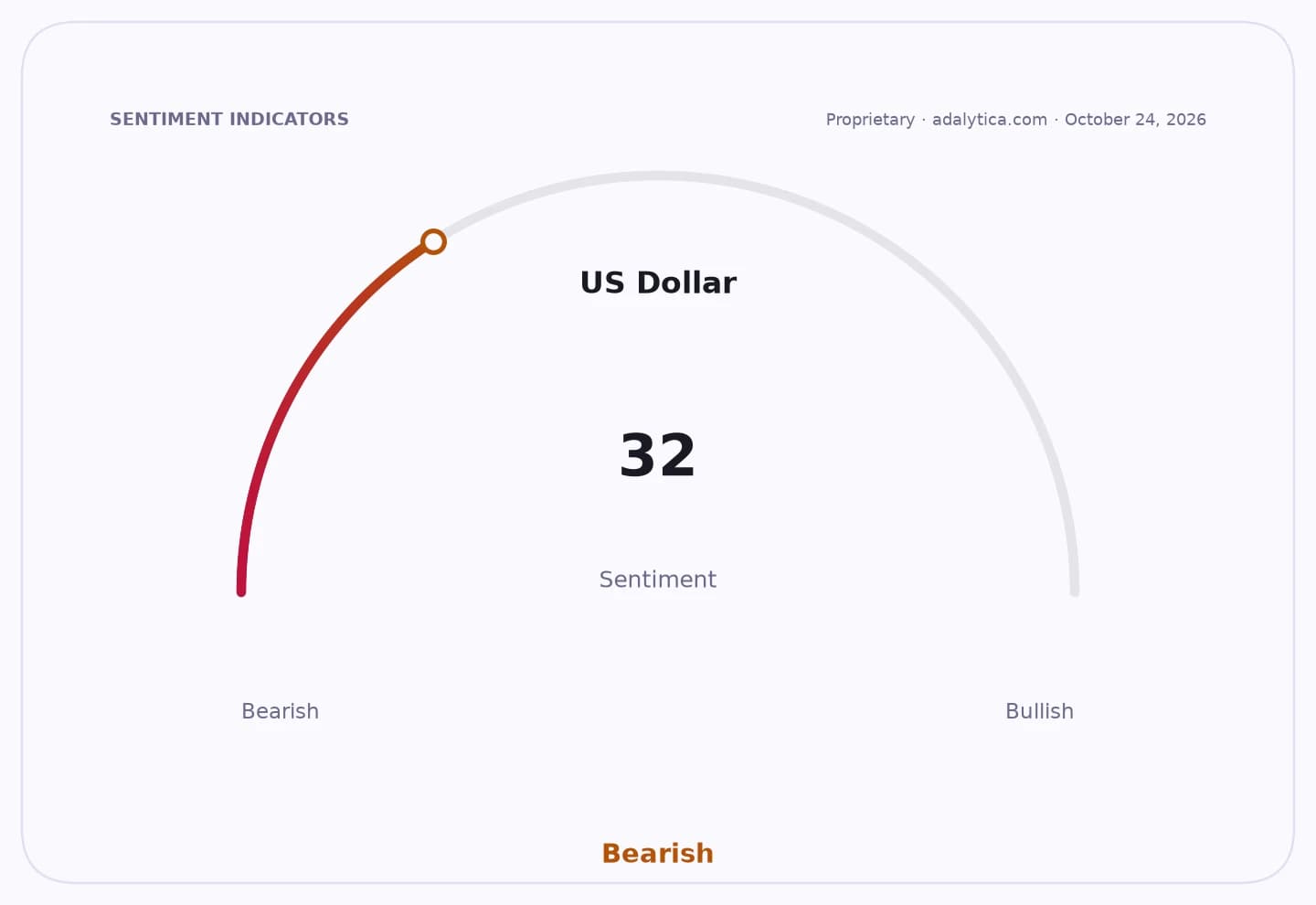
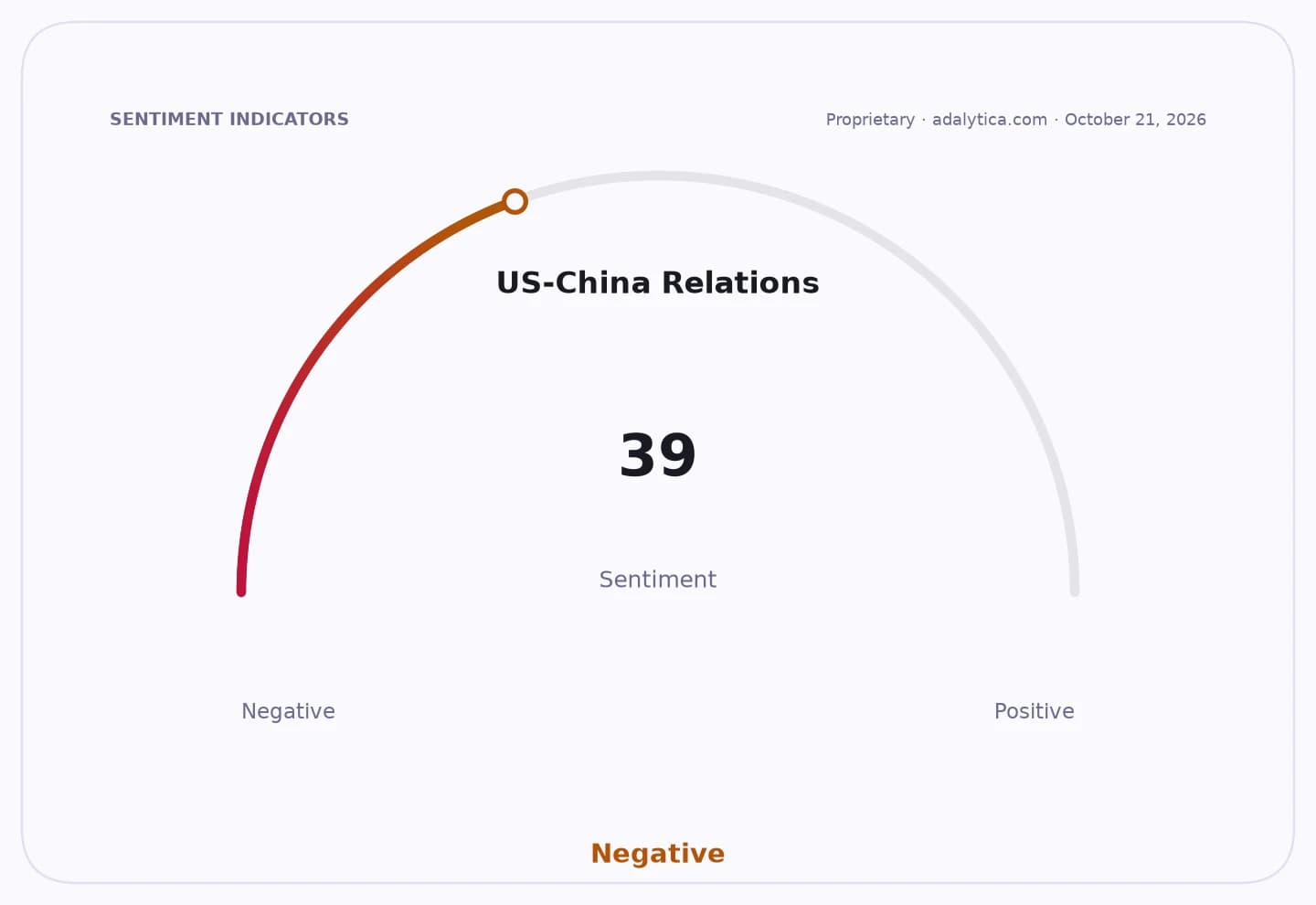
Sentiment IndicatorsⓘProprietary · adalytica.com · October 23, 2026
This is a snapshot — live sentiment, awareness and momentum for 130+ markets update continuously in the dashboard.Open AlphaPulse
The timing is especially sensitive because the tariff shock is landing just as the Bank of Canada is trying to gauge how much slack remains in the economy. Canada’s unemployment rate was 4.2% in September, still low by historical standards, but recent inflation data show consumer prices reaccelerating to 336.3 in September from 334.1 in August. That leaves policymakers with a more difficult balancing act: tariffs may slow growth while also adding cost pressure, limiting how much room the central bank has to ease policy if activity softens further.
The currency market reflects that tension. The Canadian dollar has been steady around 1.40 per U.S. dollar, with technical readings showing it hovering near its 200-day moving average and with momentum indicators muted rather than decisively bullish or bearish. That suggests investors are waiting for clearer evidence on whether tariffs become a persistent drag on Canadian growth or remain a negotiable policy risk.
The broader market backdrop is similar in the United States. The S&P 500 has retreated sharply in recent sessions, and Adalytica’s S&P 500 Trade Signals snapshot shows “Extreme Fear,” a sign that investors are increasingly sensitive to policy uncertainty and growth risks. Sector-wise, consumer discretionary stocks have also weakened, with the XLY ETF slipping below its recent highs. That matters for Canada because tariff pressure would be felt first in trade-linked industries such as autos, steel and consumer goods, where margins are already vulnerable.
For investors, the key question is not whether sentiment improved — it did — but whether that improvement can survive a tougher trade regime. If tariffs persist, the likely winners are domestic-protected firms and pricing-power businesses, while exporters, manufacturers and retailers with complex North American supply chains face higher costs and weaker visibility. If negotiations ultimately ease the burden, the rebound in sentiment could still translate into postponed capital spending rather than cancelled projects.
The near-term focus will be on whether Ottawa and Washington can narrow the tariff dispute before it spills further into investment decisions, hiring plans and the BoC’s policy outlook. Until then, the survey points to an economy that is still functioning, but with businesses increasingly forced to plan around policy volatility rather than demand alone.
| Entity | Gains | Losses |
|---|---|---|
| Canadian exporters | ▲Short-term sentiment lift | ▼Tariff-hit margins |
| U.S. importers/buyers | ▲Partial tariff relief | ▼Higher policy uncertainty |
| BoC policymakers | ▲More data on growth risks | ▼Less room to ease |
| Autos/steel sectors | ▲Support packages, if targeted | ▼Cost pressure and delayed investment |