The market is positioning for a friendlier policy backdrop as the midterm elections approach, and that matters because gridlock has historically been one of Wall Street’s favorite outcomes.
Midterm gridlock may help S&P 500 and dollar
When Washington is split, the odds of sweeping tax hikes, regulatory overhauls and fresh spending shocks usually fall. That lowers the policy risk premium embedded in stocks and gives corporate America more room to plan capital spending, buybacks and hiring. Investors do not need a political landslide to get relief — they need the kind of divided government that limits legislative surprises.
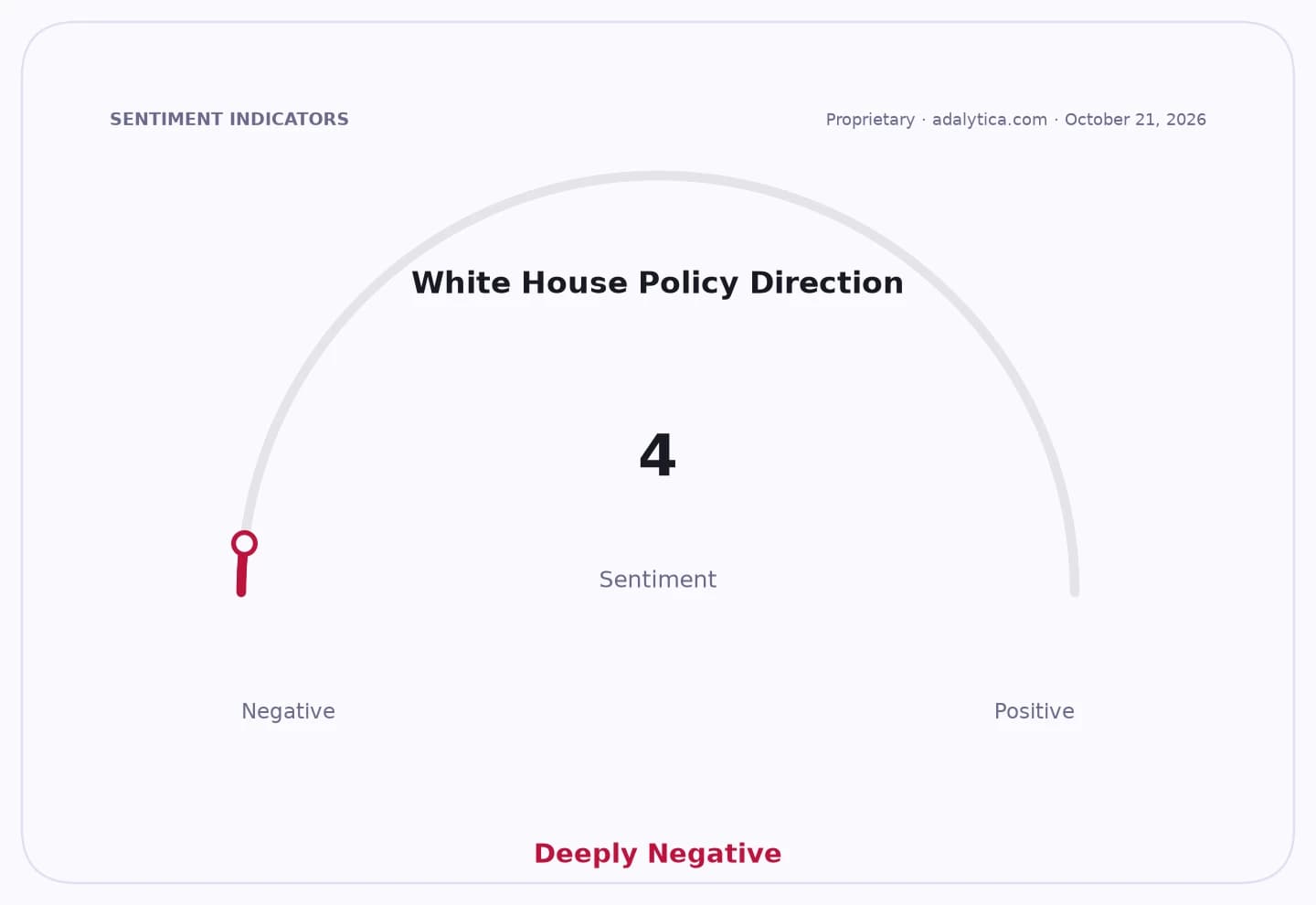
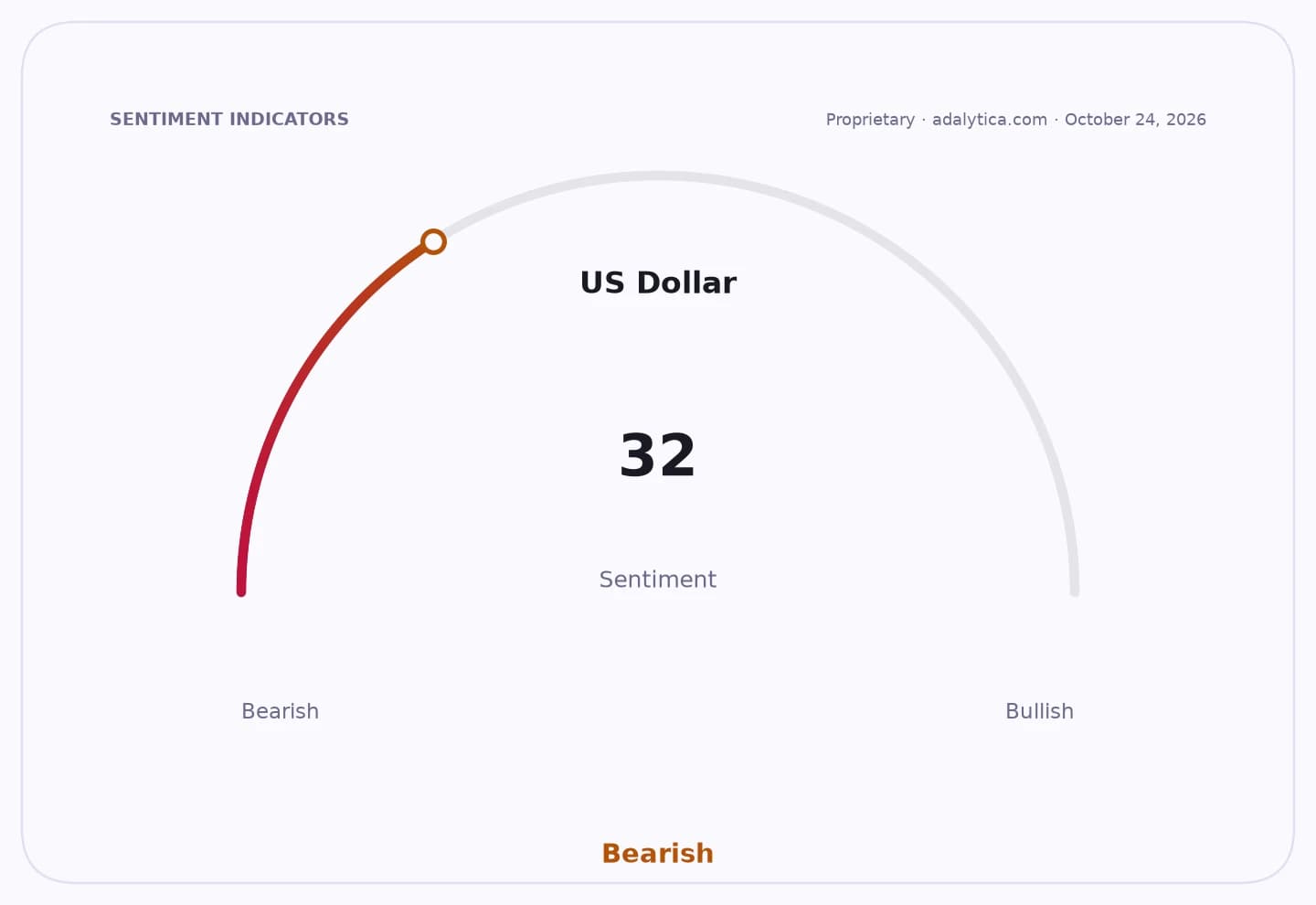
Sentiment IndicatorsⓘProprietary · adalytica.com · October 24, 2026
This is a snapshot — live sentiment, awareness and momentum for 130+ markets update continuously in the dashboard.Open AlphaPulse
That setup is already showing up in the tape. The SPDR S&P 500 ETF Trust has rebounded to 759.97 after a sharp October shakeout, still above its 200-day moving average of 724.0, even as short-term momentum has cooled. The 50-day moving average sits near 766.9, suggesting the index is pausing rather than breaking down. The bigger signal is sentiment: Adalytica’s S&P 500 Trade Signals show “Extreme Fear” with sentiment at 0, which often leaves room for upside if the political overhang eases.
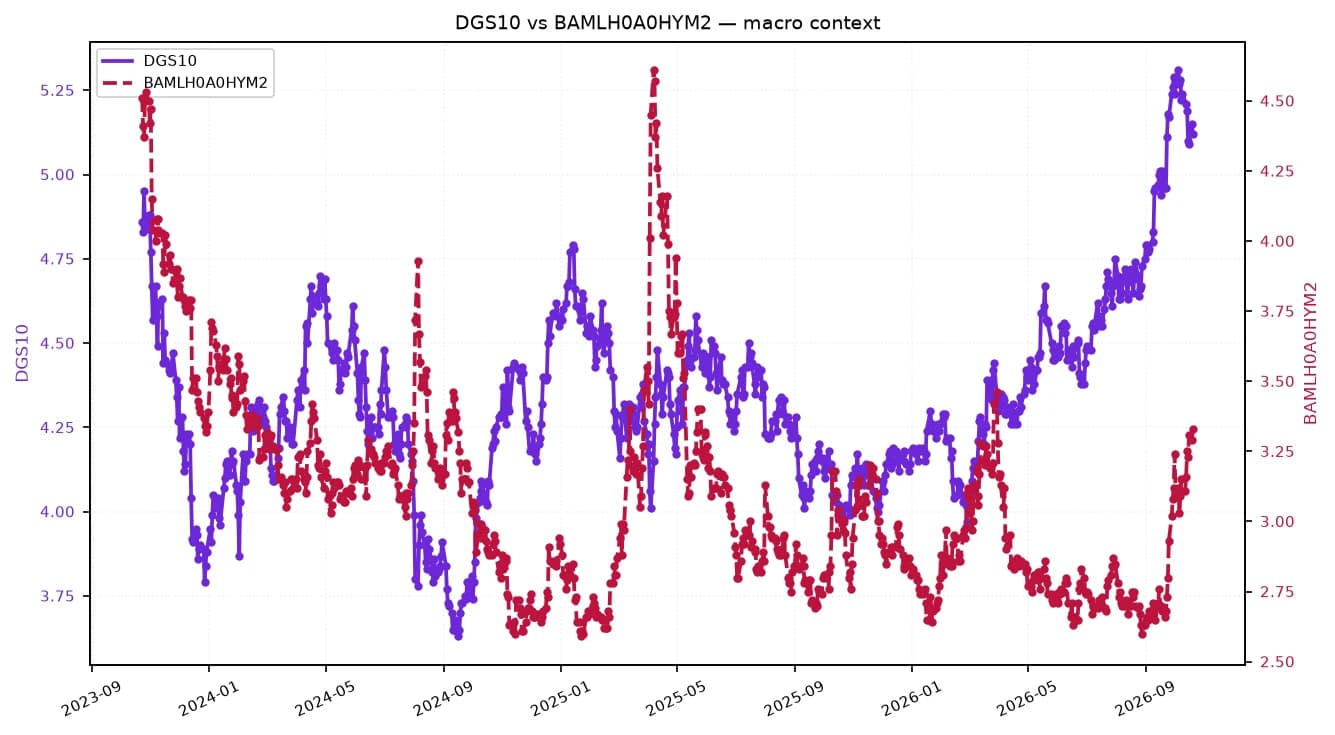
The bond market is also pointing to a more growth-friendly rotation. Treasury ETF TLT has climbed to 81.34 from 79.46 two sessions earlier, with its 50-day moving average at 80.26 and momentum improving on conventional technical measures. That reflects investor demand for duration, but it also suggests markets are still pricing a softer policy and growth path rather than an inflationary fiscal shock. If elections produce divided government, the path of least resistance could shift back toward equities and away from the safety trade.
The dollar is telling the same story from the other side. The currency basket represented by USD has slumped to 73.21 from 104.16 in mid-May, with Adalytica’s trade signals showing extreme fear awareness and a 57-point drop over the past 30 days. A weaker dollar is usually a tailwind for multinational earnings, commodity prices and emerging markets, and it often accompanies expectations that Washington will be less likely to force a disruptive policy reset.
For investors, the key is that midterms are not just a political event — they are a catalyst for capital flows. If the market believes the election reduces the odds of higher corporate taxes, tougher antitrust enforcement or aggressive fiscal tightening, valuations can re-rate fast, especially in megacap growth, industrials tied to infrastructure, and exporters that benefit from a softer dollar.
Our thesis is simple: the market underestimates how powerful policy gridlock can be as an earnings and multiple tailwind. The cleanest way to play it is to stay long broad equities on dips, favor large-cap U.S. stocks with global revenue exposure, and own the beneficiaries of a weaker dollar and lower political volatility ahead of the vote. If the election delivers the expected split government, this could become one of the market’s most reliable second-half catalysts.
| Entity | Gains | Losses |
|---|---|---|
| S&P 500 / SPY | ▲lower policy risk premium | ▼election-driven volatility |
| Large-cap multinationals | ▲weaker-dollar tailwind | ▼regulatory shock risk |
| Treasuries / TLT holders | ▲safety bid, softer growth fears | ▼rally fades if risk appetite returns |
| Political gridlock | ▲market predictability | ▼aggressive policy agenda |