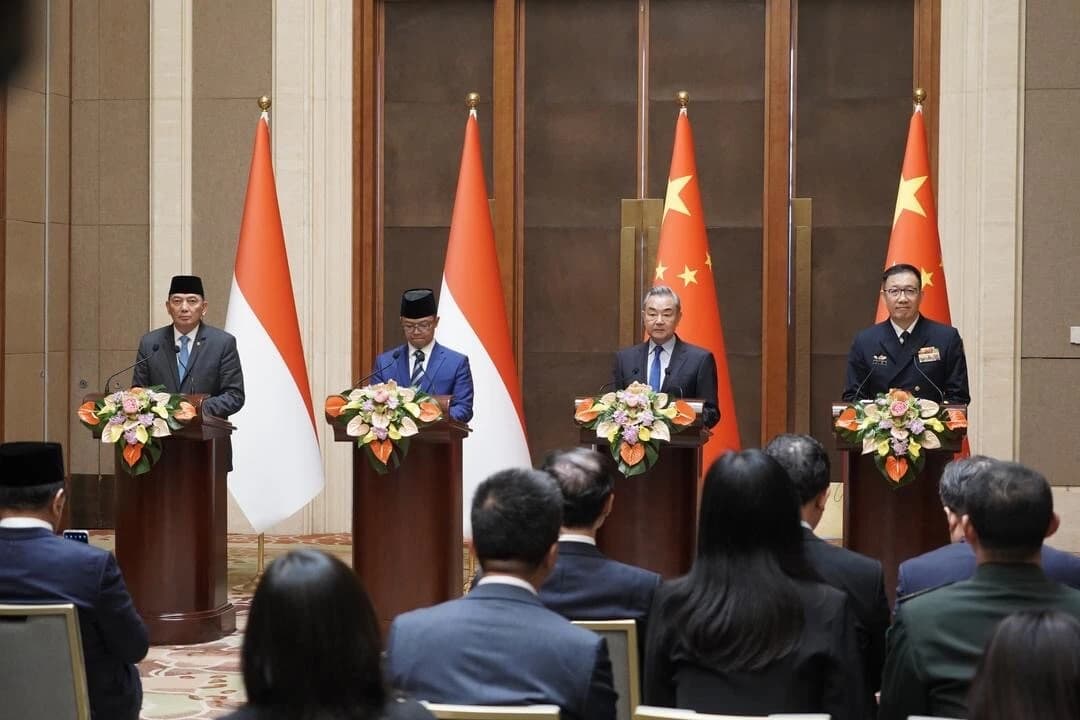
The United States and China have agreed to slash punitive tariffs for 90 days, a truce that eases the biggest drag on global trade and gives equity and commodity markets room to breathe.
US China Tariffs Cut for 90 Days
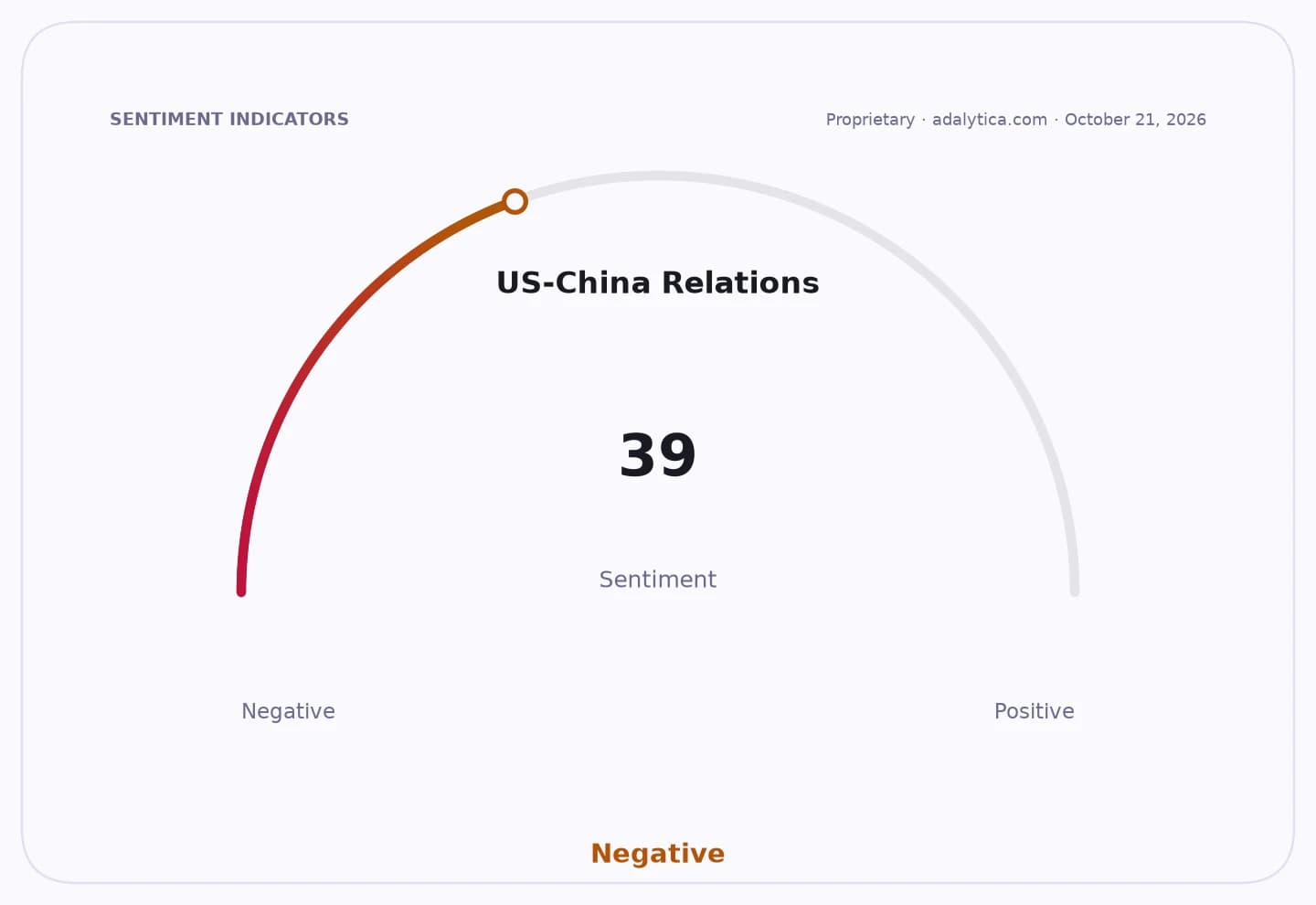
The deal, reached after two days of talks in Geneva, cuts U.S. tariffs on Chinese goods to 30% from 145% and lowers China’s duties on U.S. products to 10% from 125%, a sharp de-escalation from levels that Treasury Secretary Scott Bessent said were effectively operating as an embargo. That matters because the trade war had moved beyond bargaining leverage into an economic self-harm zone, raising costs for importers, squeezing margins for manufacturers and threatening to sever supply chains that still run through China.
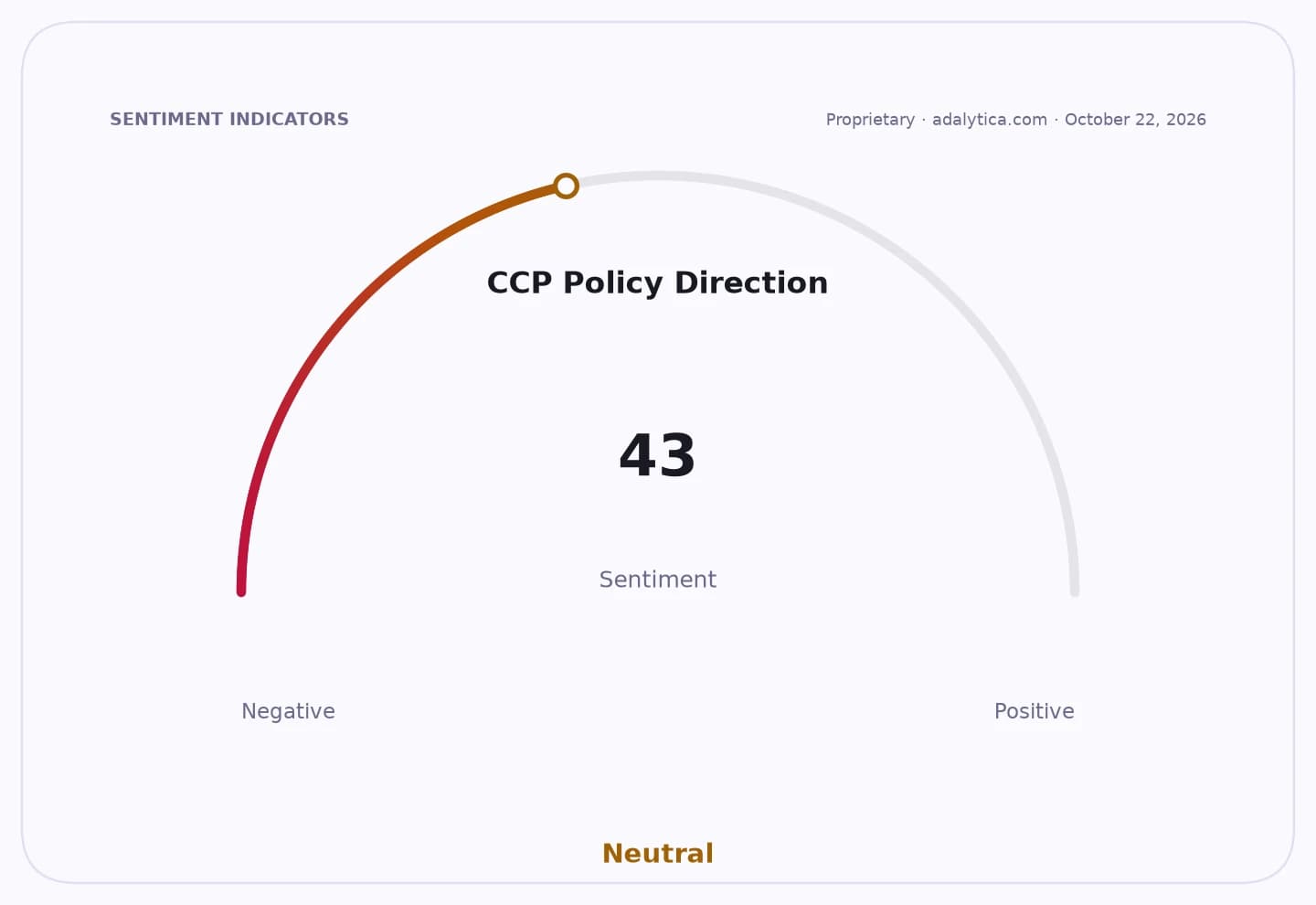
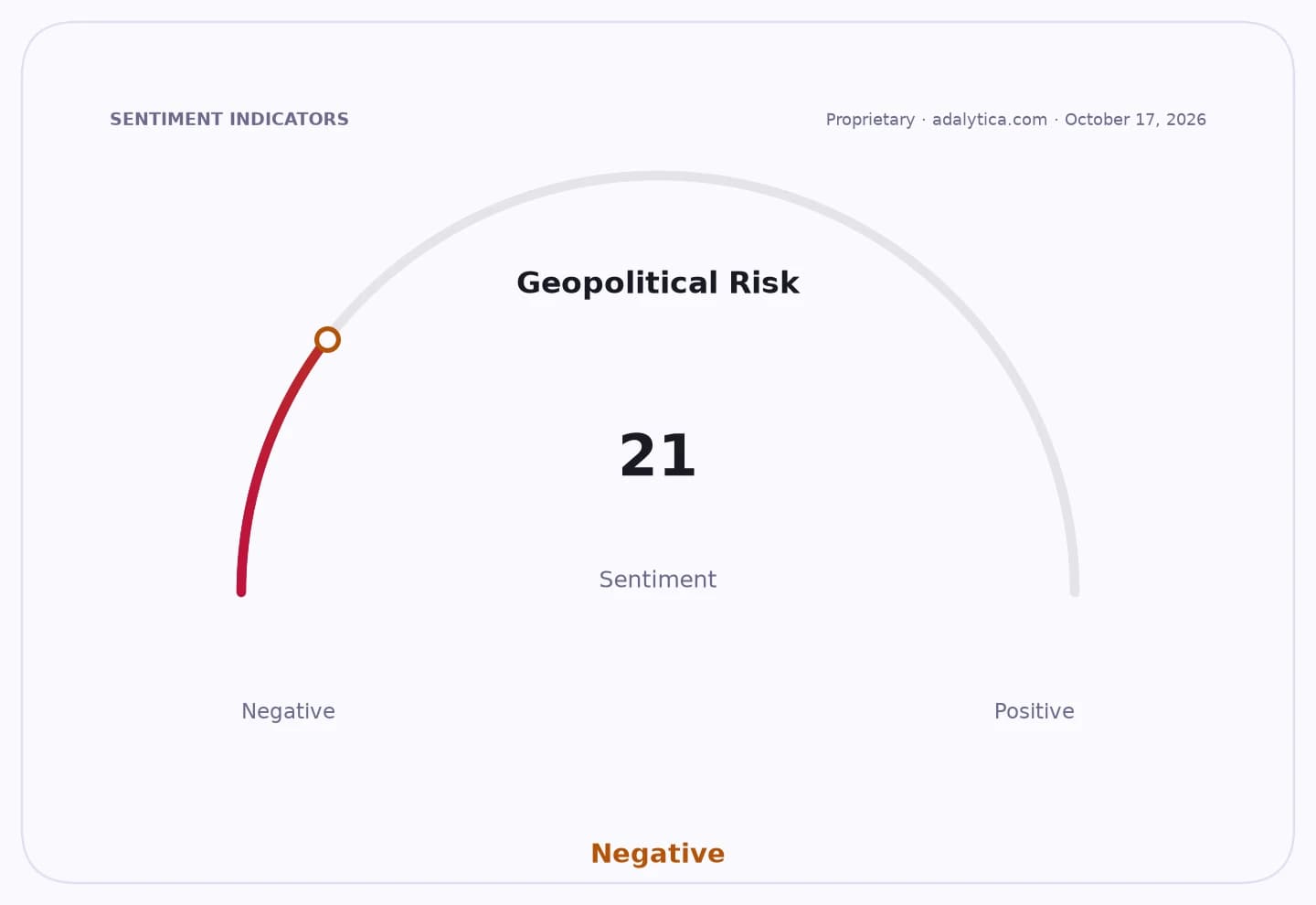
Sentiment IndicatorsⓘProprietary · adalytica.com · October 21, 2026
This is a snapshot — live sentiment, awareness and momentum for 130+ markets update continuously in the dashboard.Open AlphaPulse
For investors, the immediate takeaway is not that the trade war is over — it isn’t — but that the probability of a hard decoupling has fallen for now. That should ease pressure on multinational industrials, retailers, semiconductor supply chains and shipping-linked names that were caught between tariff shock and recession fears. It also helps explain why the market’s appetite for risk can rebound quickly when Washington and Beijing step back from the brink.
The reaction potential is especially important in sectors most exposed to China’s manufacturing base and U.S. consumer demand. Lower tariffs reduce the near-term hit to landed costs, improve visibility on inventory planning and lower the odds of another wave of margin compression for companies that rely on Chinese components or sell into China. China, meanwhile, gets breathing room as export weakness has already become a larger growth problem for its economy.
The broader market signal is that policymakers on both sides still see a negotiated separation as too costly to pursue abruptly. The creation of a bilateral dialogue mechanism, led by He Lifeng, Bessent and U.S. trade representative Jamieson Greer, suggests this is a managed pause rather than a lasting reset. That is exactly why investors should treat the next 90 days as a catalyst window, not a victory lap.
The investable thesis is straightforward: the truce is most constructive for global cyclicals, semiconductors, industrial suppliers and broad market exposure, while the greatest losers are the bearish positions built around a rapid tariff-driven slowdown. In the near term, the S&P 500’s rally can extend if trade fear fades, while Chinese equities, particularly exporters and mainland-linked ETFs, have room to recover if the diplomatic thaw holds.
| Entity | Gains | Losses |
|---|---|---|
| Global equities | ▲Lower recession risk | ▼Bearish macro bets |
| U.S. importers | ▲Lower tariff costs | ▼Margin protection from pricing |
| Chinese exporters | ▲Better access to U.S. market | ▼Trade-war hedges |
| Semis and industrials | ▲Less supply-chain pressure | ▼Decoupling trade themes |