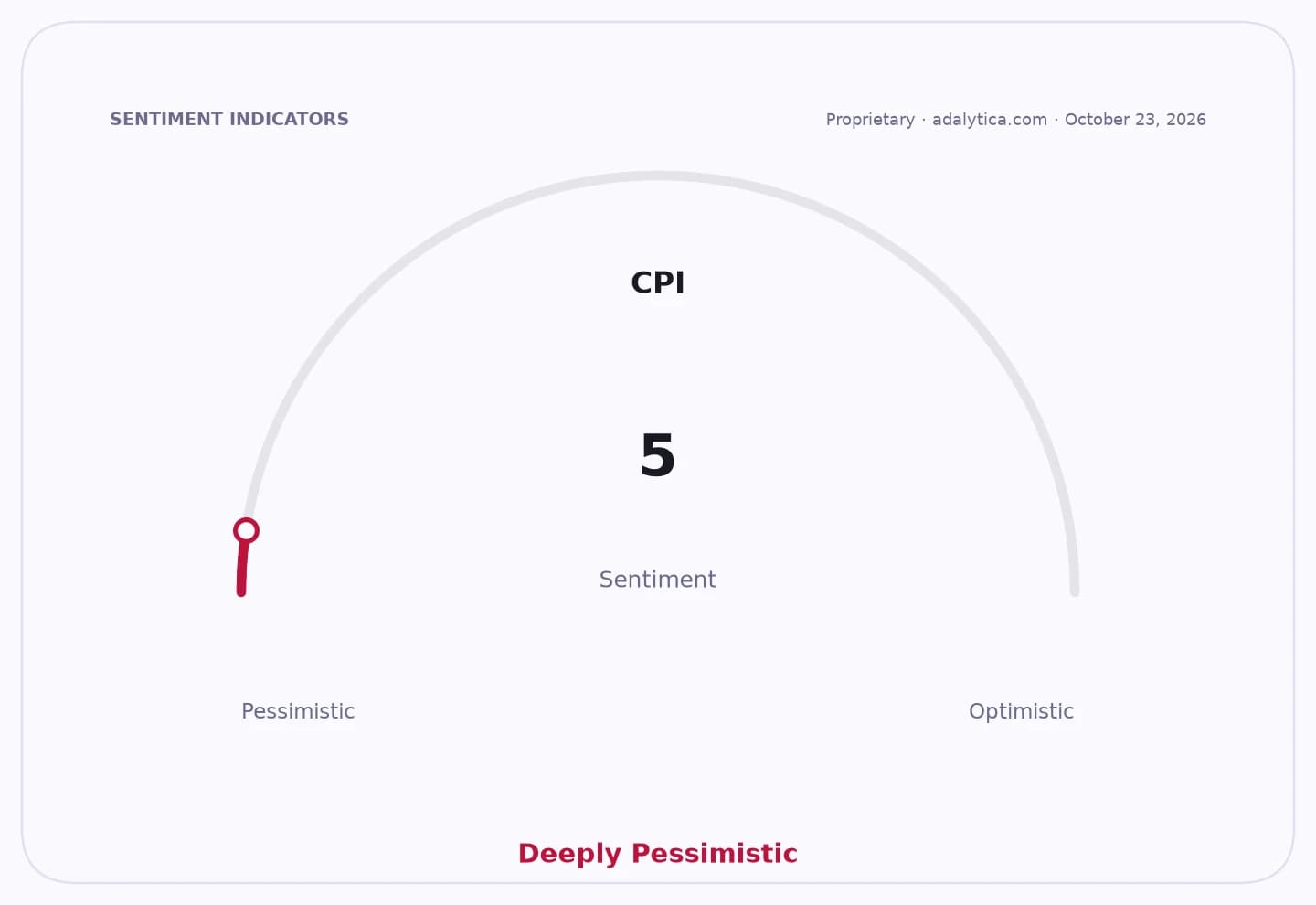
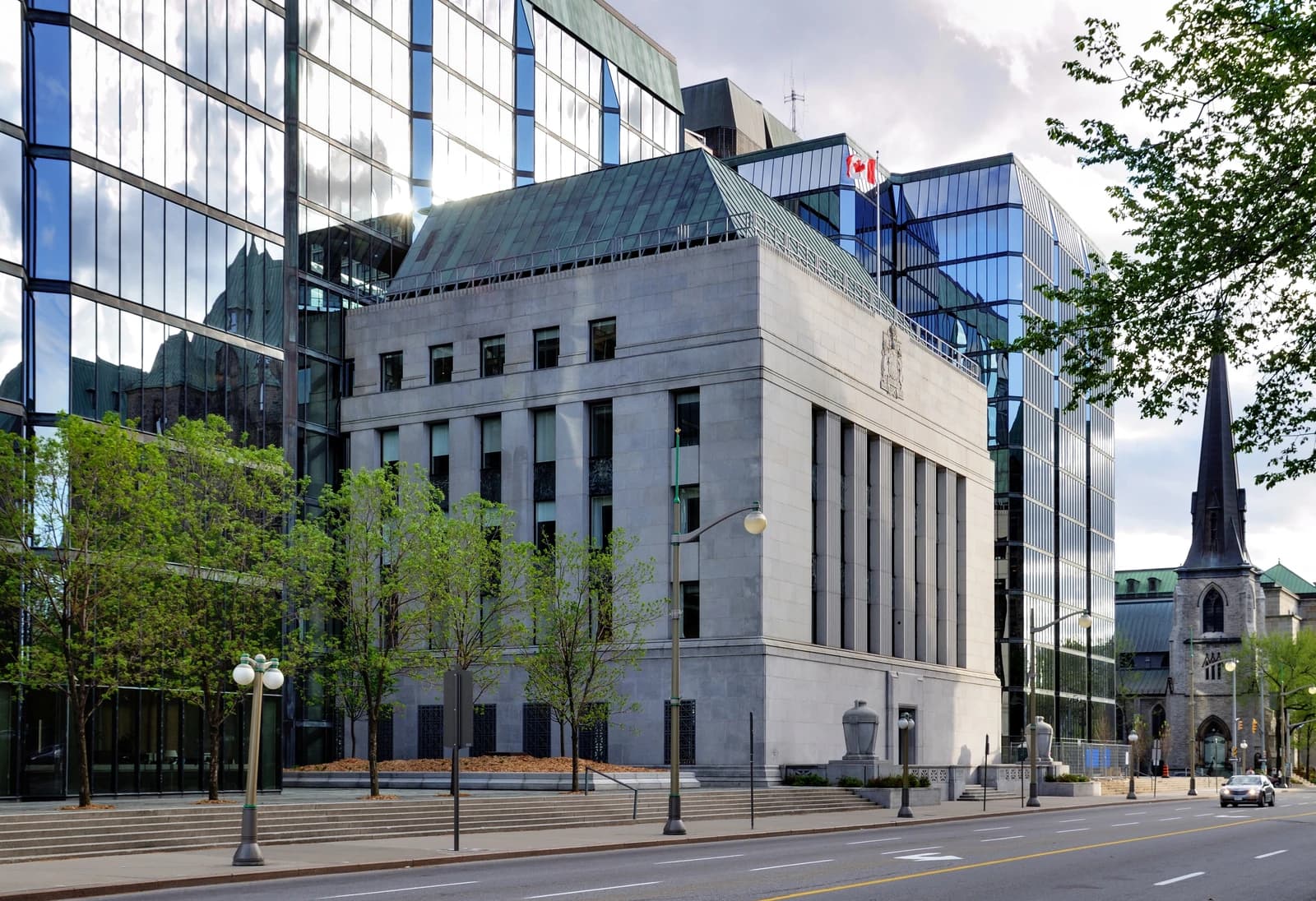
Canadian firms are getting more uneasy about inflation, and that matters because expectations can quickly become self-fulfilling for wages, pricing and ultimately the Bank of Canada’s next policy moves.
Bank of Canada survey shows higher inflation expectations
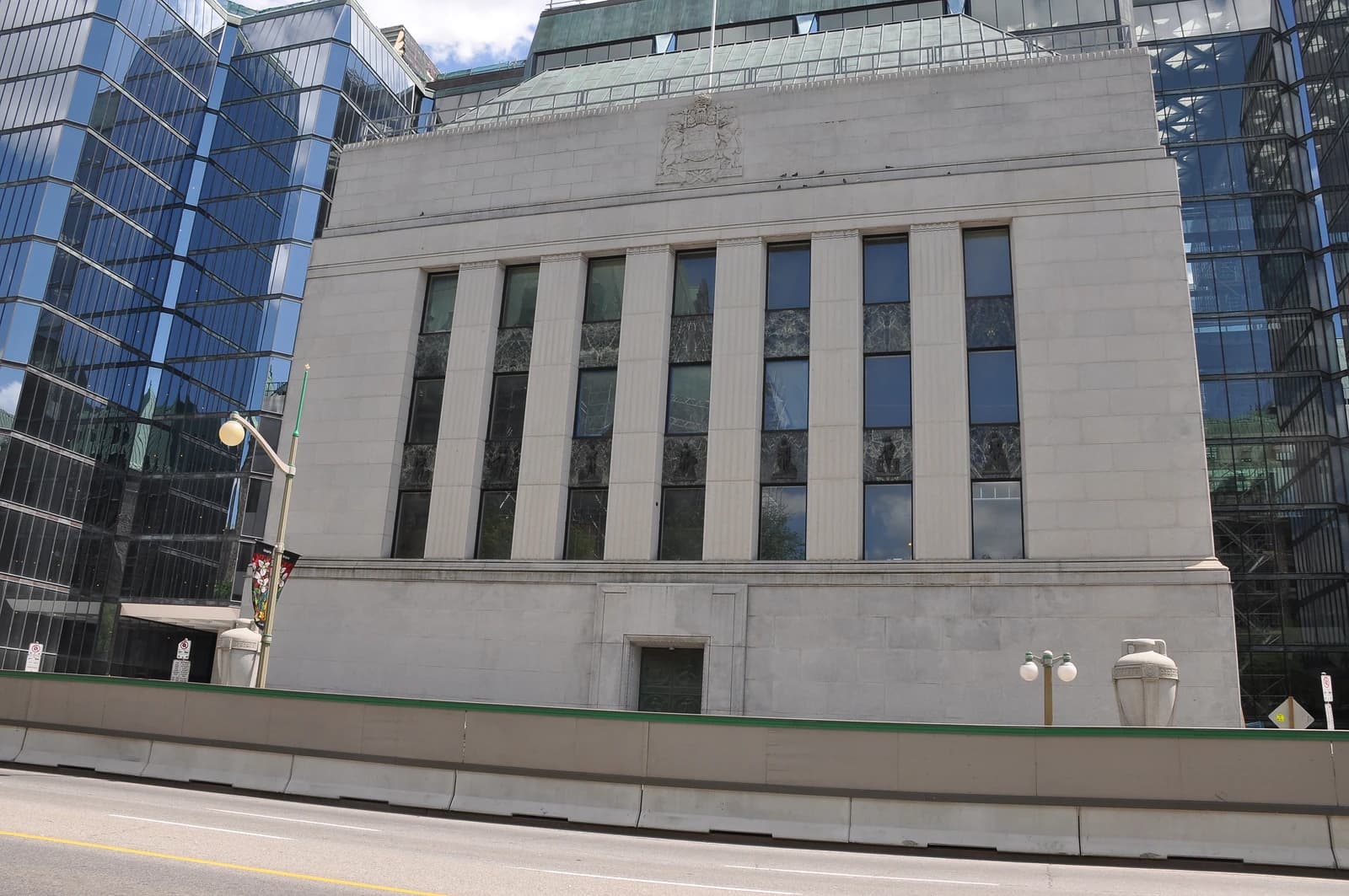
A quarterly business-outlook survey from the central bank found companies now expect inflation to reach 3.7% in the third quarter of 2027, up from 3.2% before trade talks between Ottawa and Washington collapsed. That is not a small revision. It suggests businesses are starting to build a more persistent inflation premium into contracts and pricing, just as elevated energy costs and fresh tariffs threaten to keep upward pressure on prices.
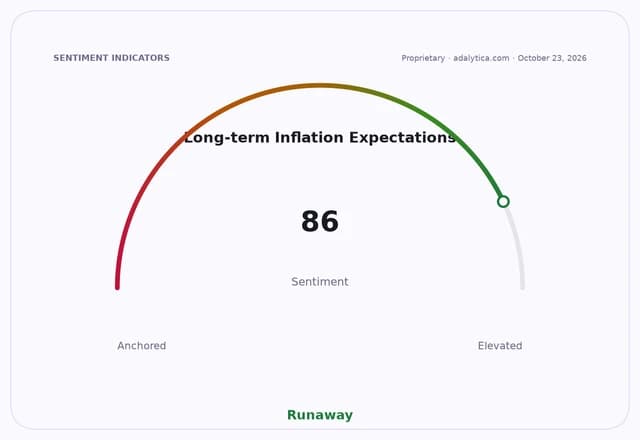
The survey points to two forces doing the damage: the deterioration in U.S.-Canada trade relations and renewed Middle East tension, which has lifted energy prices. Together, they are the sort of supply-side shocks that central banks cannot fix easily with interest rates alone. If companies expect higher costs to stick, they are more likely to raise prices and ask for bigger wage increases, keeping inflation sticky even if demand cools.
For investors, this is exactly the kind of backdrop that can keep borrowing costs higher for longer. A central bank facing firmer inflation expectations has less room to cut, which is bad news for rate-sensitive sectors such as housing, consumer discretionary and highly leveraged companies. It also helps explain why bond markets remain twitchy and why long-duration assets tend to reprice quickly when inflation psychology shifts.
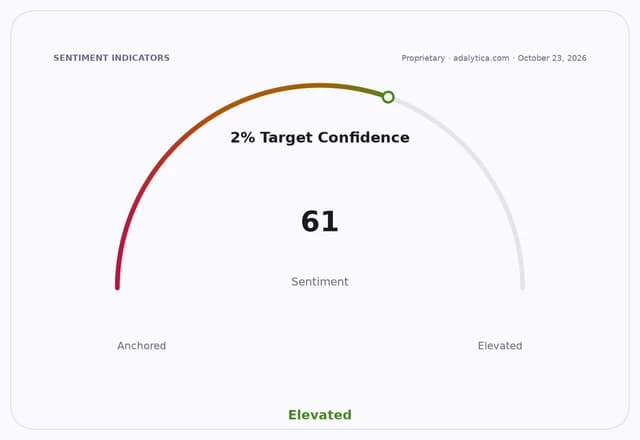
There is a broader market story here too. In the U.S., September inflation came in hotter than expected at 3.7%, pushing Treasury yields higher and keeping the inflation debate front and center. That reinforces the message from Canada: the global disinflation trend is not as clean as many hoped, and investors should not assume central banks are done fighting price pressures.
Canadian banks and insurers can sometimes benefit from firmer rates, but the bigger takeaway for long-term investors is more practical: when inflation expectations rise, valuation discipline matters. Companies with strong pricing power, low debt and dependable free cash flow are usually better positioned than those that depend on cheap financing or razor-thin margins.
The Bank of Canada’s survey does not guarantee another rate hike, but it does make the policy path harder. For investors, that means staying diversified, favoring resilient businesses and treating inflation risk as a feature of the landscape, not a temporary nuisance.
| Entity | Gains | Losses |
|---|---|---|
| Canadian banks | ▲Wider spread income | ▼Slower credit demand |
| Borrowers | ▲— | ▼Higher financing costs |
| Energy producers | ▲Higher price backdrop | ▼— |
| Retailers and rate-sensitive firms | ▲— | ▼Margin pressure, weaker demand |