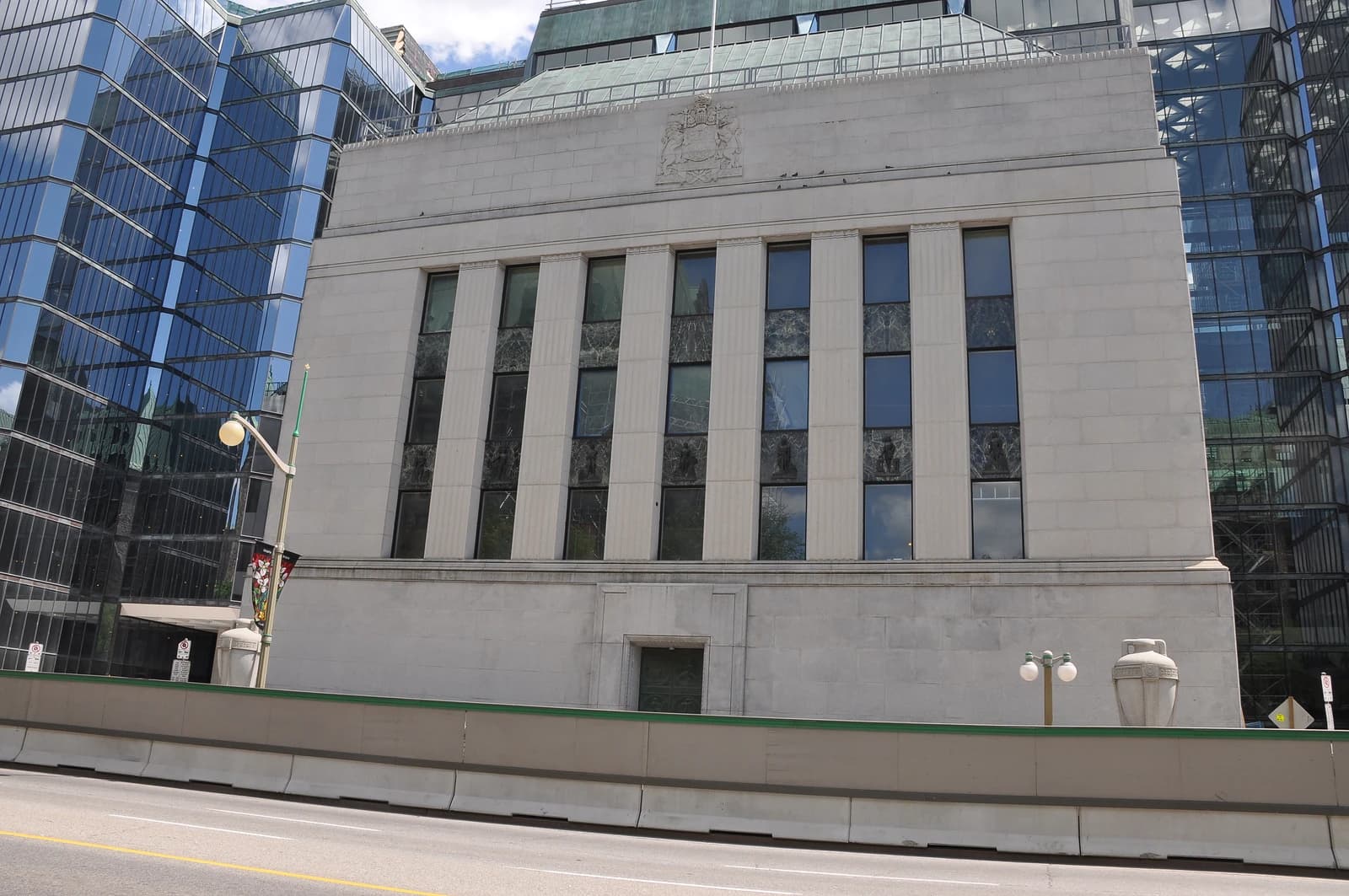
Canada’s next inflation report has become the key number for the Bank of Canada, with September consumer prices set to determine whether policy makers can justify staying sidelined or are forced back into tightening after a prolonged pause.
Canada Inflation Report Could Drive BoC Decision

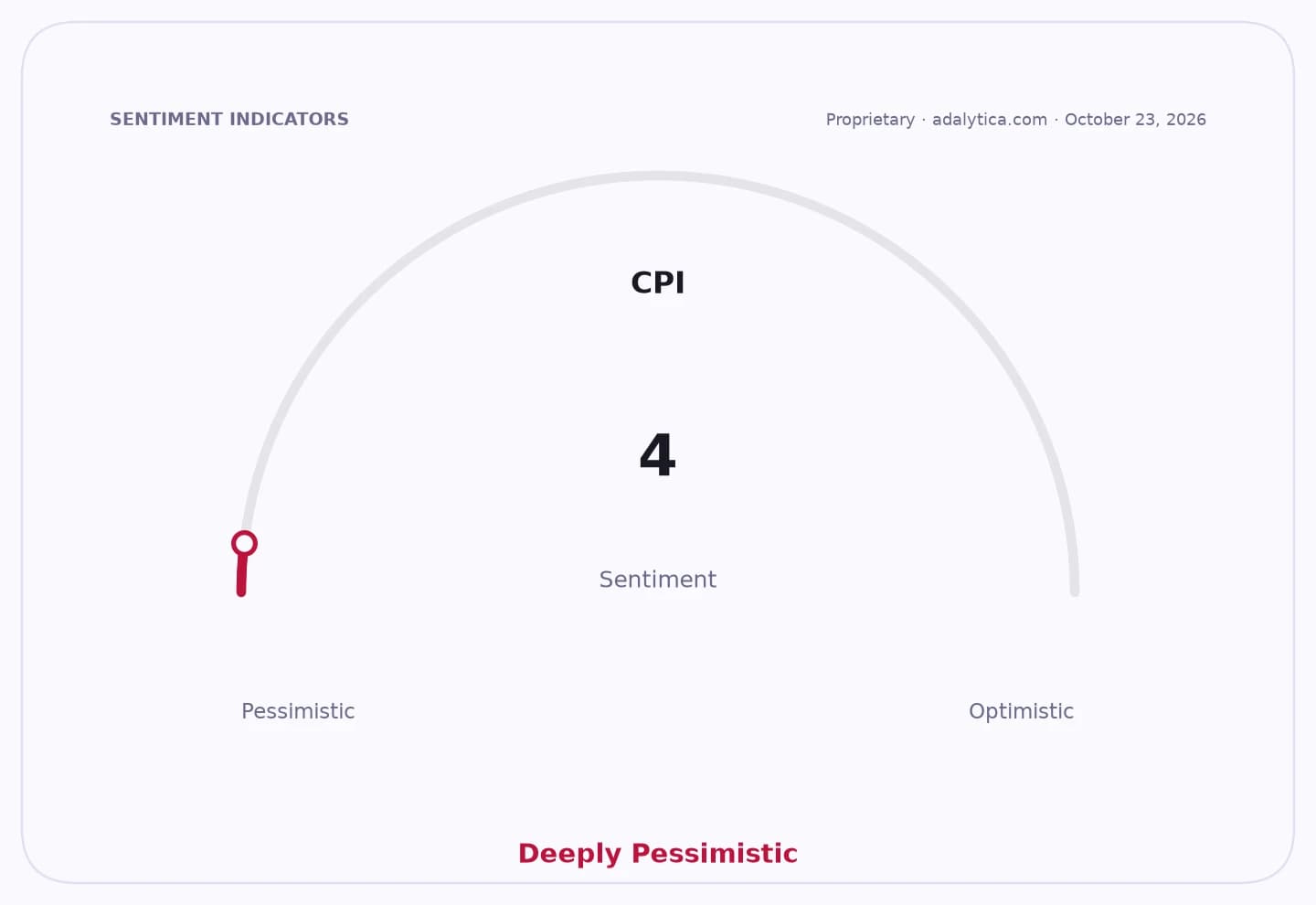
Annual inflation accelerated to 3.1% in September, keeping price growth above the central bank’s 2% target and leaving little room for complacency. The reading matters because it comes against a backdrop of stagnant July growth, a softening housing market and signs that energy costs are still feeding through the economy. That mix leaves the Bank of Canada balancing slower domestic activity against inflation that is proving sticky enough to keep rate-hike speculation alive.
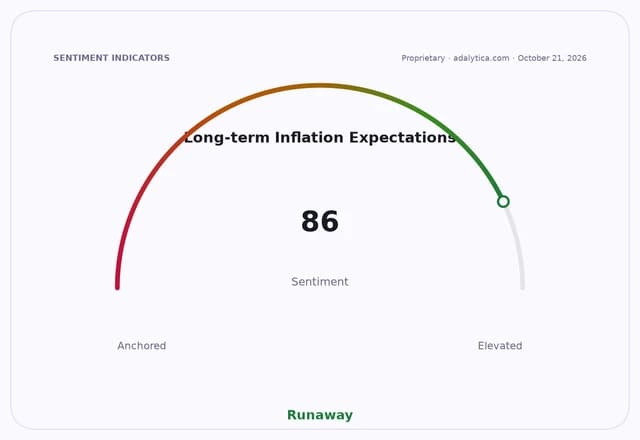
Markets have already moved accordingly. Odds of a near-term increase have climbed to around 80%, while Canadian dollar positioning has firmed and longer-dated government bond yields have stayed elevated. The currency was trading around C$1.41 per US dollar in recent sessions, with conventional technical indicators showing it has been hovering near its 50-day moving average and well above the 200-day level, a sign that investors are not pricing in an imminent easing cycle. The 10-year Canadian yield was near 5.15%, while the 2-year was around 4.77%, both levels consistent with expectations that policy will stay restrictive.
For investors, the issue is not just the September headline. The composition of inflation will matter as much as the level. Oil prices have been a major driver, and the Bank of Canada has signaled that energy can support growth even as it raises inflation expectations. If core measures and wage-sensitive categories stay firm, the case for another move strengthens. If the increase proves concentrated in volatile components, policy makers may decide they can wait and see.
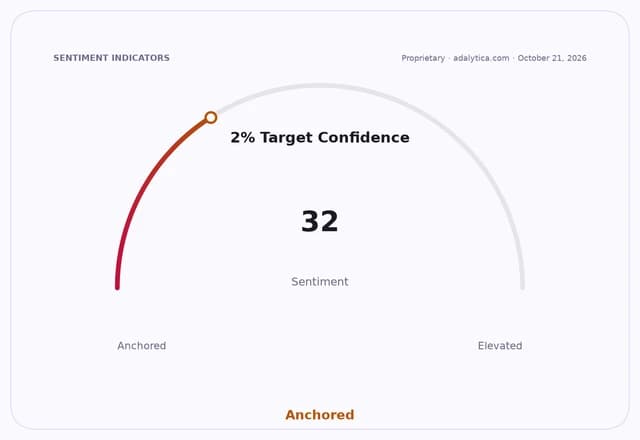
2% Target Confidence vs CAD=Xadalytica.com
Explore this data interactively — full history, time series and cross-market comparisons.Open AlphaPulse
That distinction is crucial for rate-sensitive assets. Bank stocks, including Royal Bank of Canada, have already come under pressure as traders weigh the possibility of higher funding costs and slower credit demand. The broader market has also felt the impact, with financials and miners among the more exposed sectors as investors reassess the outlook for domestic growth and borrowing costs. A rate increase would support the Canadian dollar in the near term but could also deepen the strain on housing and highly leveraged consumers.
The central bank’s dilemma is straightforward: inflation is still too hot for comfort, but growth is too weak to absorb much more tightening without damage. That leaves Monday’s data as more than a routine release. It is the report that could decide whether the Bank of Canada remains on hold or is pushed into another hike, with consequences for the currency, bond market and rate-sensitive equities.
| Entity | Gains | Losses |
|---|---|---|
| Bank of Canada | ▲Inflation credibility | ▼Policy flexibility |
| Canadian dollar | ▲Higher rate support | ▼Growth-sensitive sectors |
| Canadian banks | ▲Wider rate margins | ▼Loan demand, credit quality |
| Homebuyers and borrowers | ▲None | ▼Higher borrowing costs |