Donald Trump’s top economic adviser says inflation looks like it is “back,” a warning that matters because a fresh price surge would keep pressure on the Federal Reserve, support higher bond yields and complicate the outlook for stocks that have benefited from hopes of easier policy.
Inflation Back Again, Hassett Says
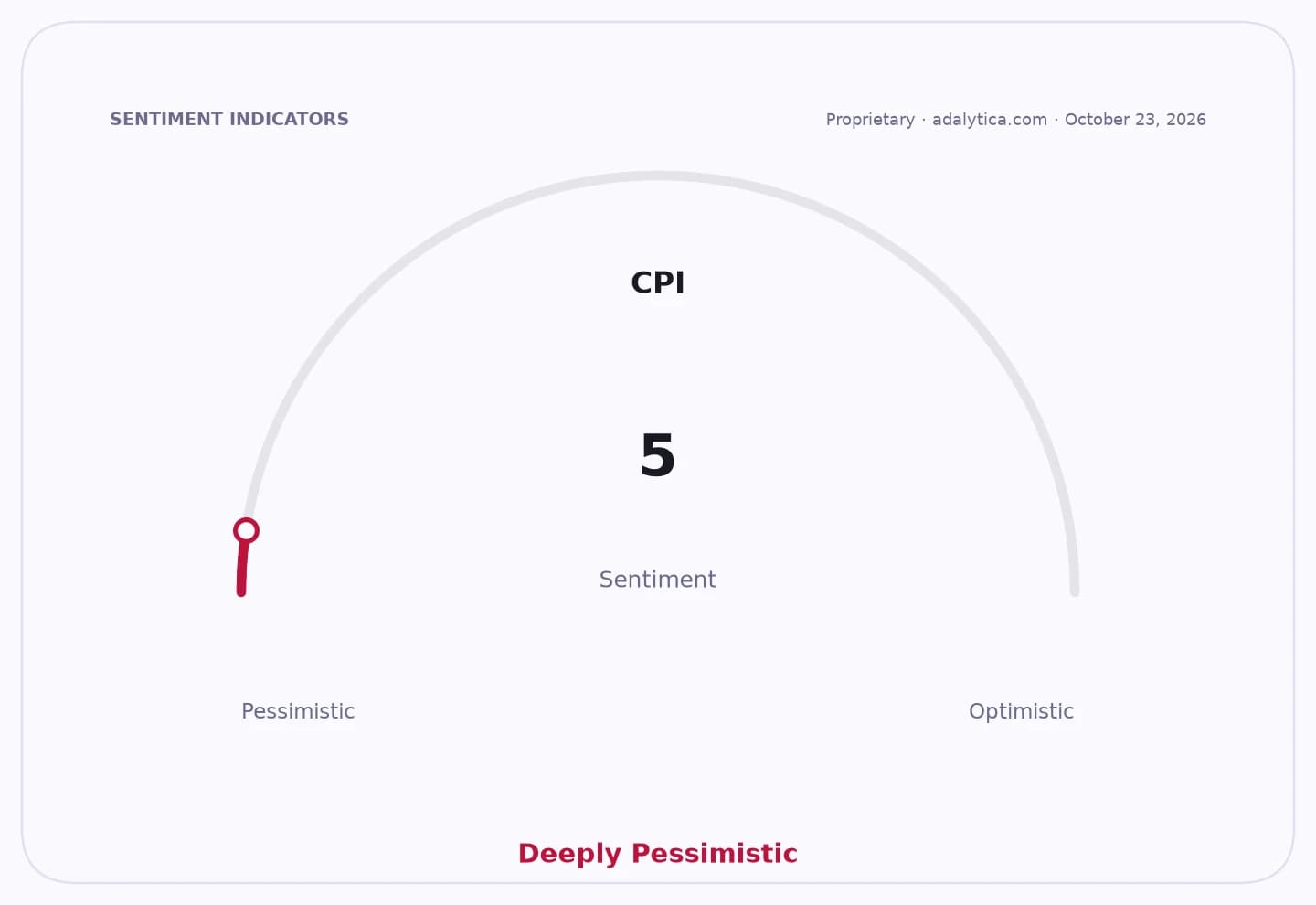
Kevin Hassett, director of the White House National Economic Council, told CNBC that while inflation looked “completely under control” over the past three months, “now it seems like it’s back and that work needs to be done again.” The comments are politically important, but the economic message is bigger: the fight against inflation is not clearly won, even as some individual prices such as beef and eggs have eased.
That uncertainty is exactly what investors hate. The 10-year Treasury yield was around 5.0%, a level that keeps borrowing costs elevated for mortgages, corporate debt and the government itself. When yields stay high, valuation pressure tends to build across rate-sensitive assets, especially long-duration growth stocks and bond funds.
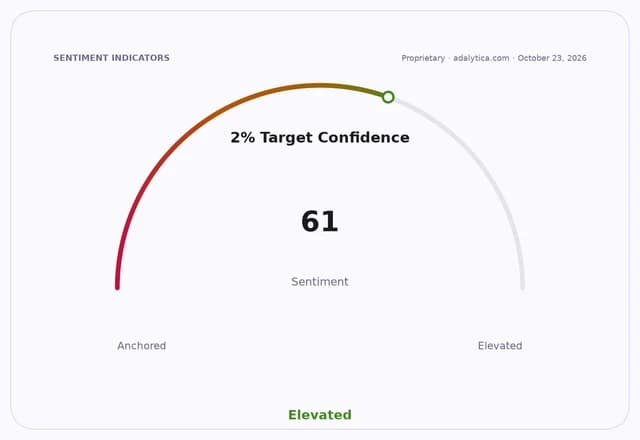
The backdrop also shows why the inflation debate remains so central. The latest consumer price readings in the data set point to a pick-up in both headline and core inflation, while confidence in the Federal Reserve’s 2% target remains shaky by Adalytica’s gauge. At the same time, U.S. equity benchmarks have held up better than bonds, with the S&P 500 still well above its long-term trend even as shorter-term momentum cools.
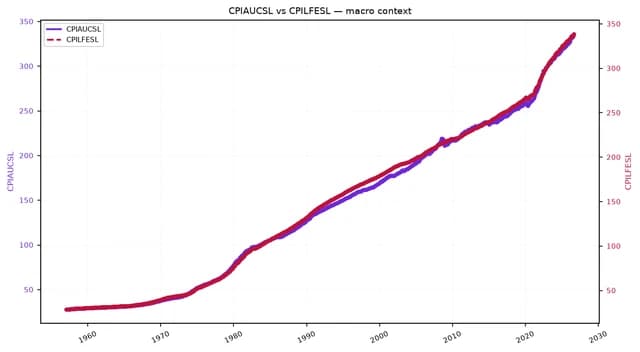
For investors, the key question is not whether one month of price data looks better or worse. It is whether inflation settles into a range that allows the Fed to cut rates without reigniting price pressures. If it does not, the market may have to get used to a world of tighter financial conditions for longer.
That makes this a story worth watching for anyone building a portfolio over the next three to five years. Persistent inflation would favor businesses with pricing power, strong free cash flow and low debt, while punishing companies that rely on cheap financing or stretched valuations. In other words, the old investing playbook still applies: own quality, diversify broadly and let time do the work.
| Entity | Gains | Losses |
|---|---|---|
| Treasury yield bulls | ▲Higher yields, stronger income | ▼Bond prices, borrowers |
| Banks and insurers | ▲Wider spread income | ▼Duration-heavy bond holders |
| Pricing-power companies | ▲Ability to pass on costs | ▼Margin-squeezed retailers |
| Rate-sensitive stocks | ▲Better inflation hedge appeal | ▼Valuation multiples |