Egypt’s export mix is shifting toward higher-value finished goods, a change that matters for foreign currency earnings, industrial growth and the country’s broader drive to cut dependence on commodity shipments.
Egypt finished-goods exports rise in July
Official data showed exports of finished goods rose to $2.377 billion in July, while shipments of raw materials declined, underscoring a pivot toward domestic processing and manufacturing. The move is economically significant because finished exports typically capture more value per unit, support factory output and create more stable foreign-exchange inflows than unprocessed commodities.
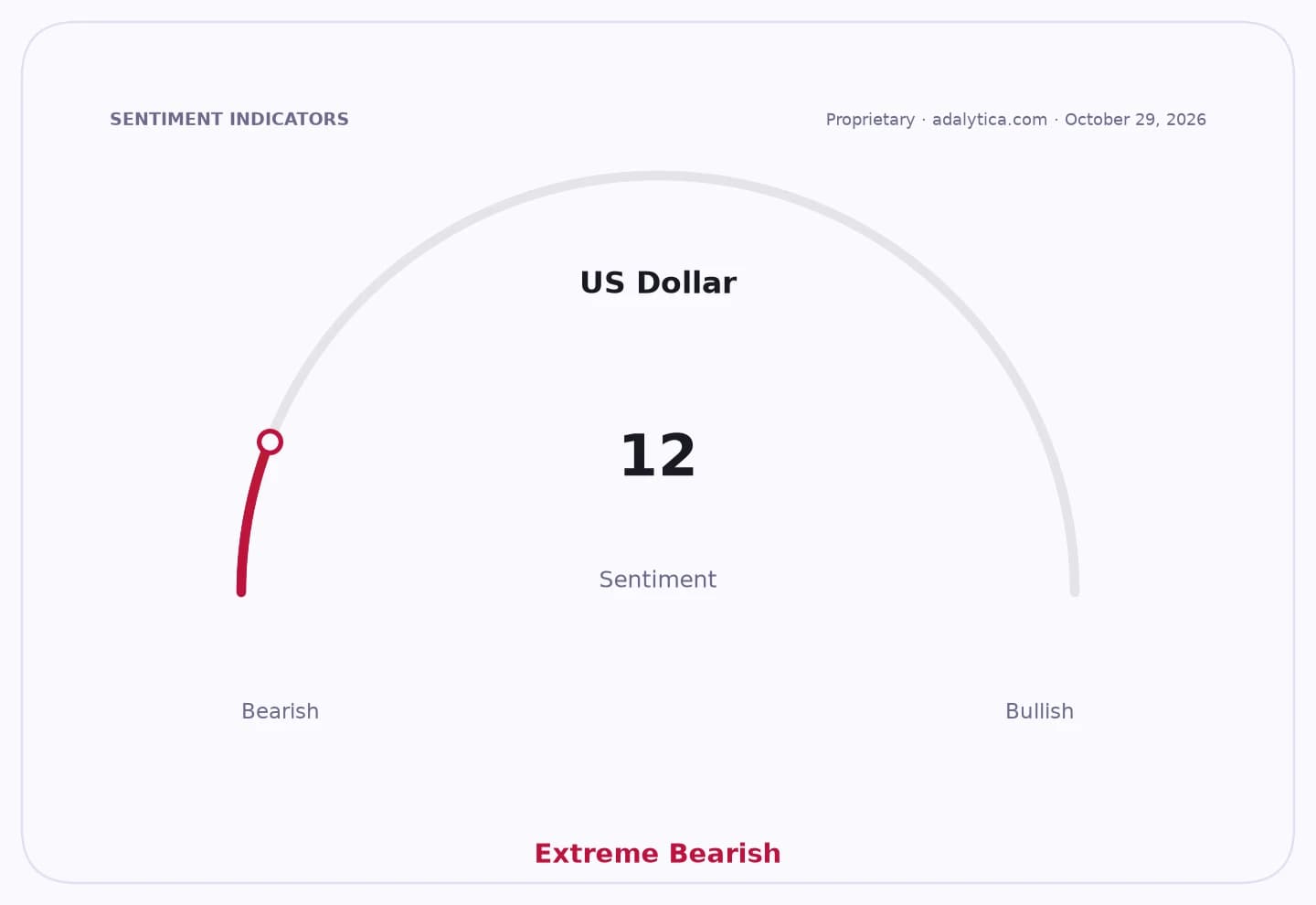
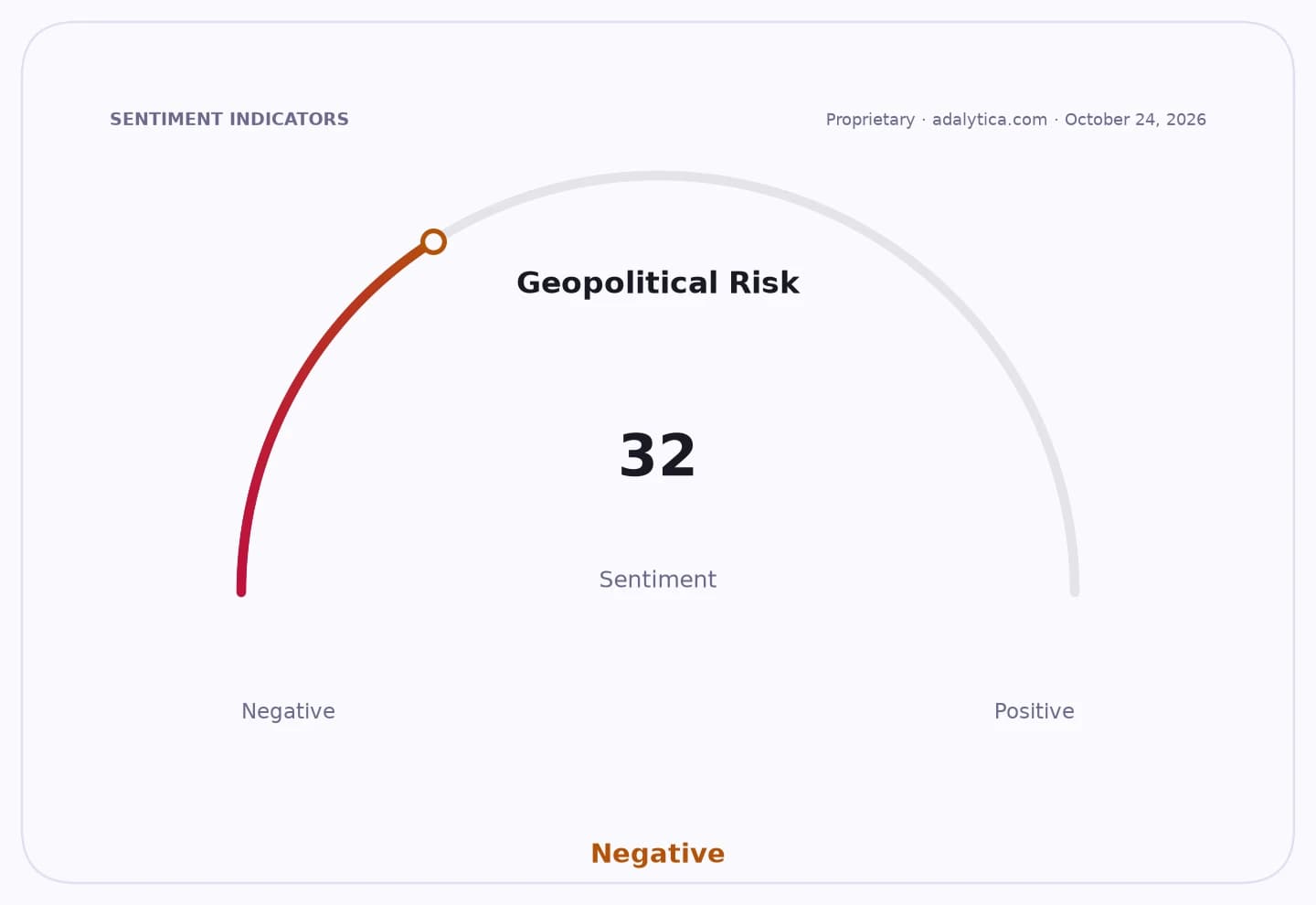
Sentiment Indicators
For investors, the composition of exports is often as important as the headline total. A stronger share of finished goods can improve margins for manufacturers, logistics operators and exporters tied to industrial supply chains, while reducing exposure to volatile global prices for primary commodities. It also supports Egypt’s policy ambition to deepen local value addition in sectors such as mining, textiles and industrial goods.
The shift comes as Egypt seeks to expand non-oil exports and attract more investment into local manufacturing. That strategy has become more urgent as policymakers try to strengthen the external accounts and ease pressure on the pound by bringing in more hard currency from goods that are less vulnerable to swings in global commodity markets.
It also hints at a broader industrial rebalancing. When raw materials are exported in primary form, much of the value-added work is done abroad. Processing them at home can lift employment, improve technology transfer and keep a larger share of the export dollar inside the local economy. The downside is that the transition requires investment in plants, infrastructure and financing, all of which can be constrained by interest rates and imported input costs.
For the market, the key question is whether July’s export mix marks a temporary improvement or the start of a durable trend. If Egypt can sustain growth in finished-goods exports while curbing raw-material outflows, the result would be a more resilient export base and a better earnings backdrop for listed industrial and manufacturing companies.
| Entity | Gains | Losses |
|---|