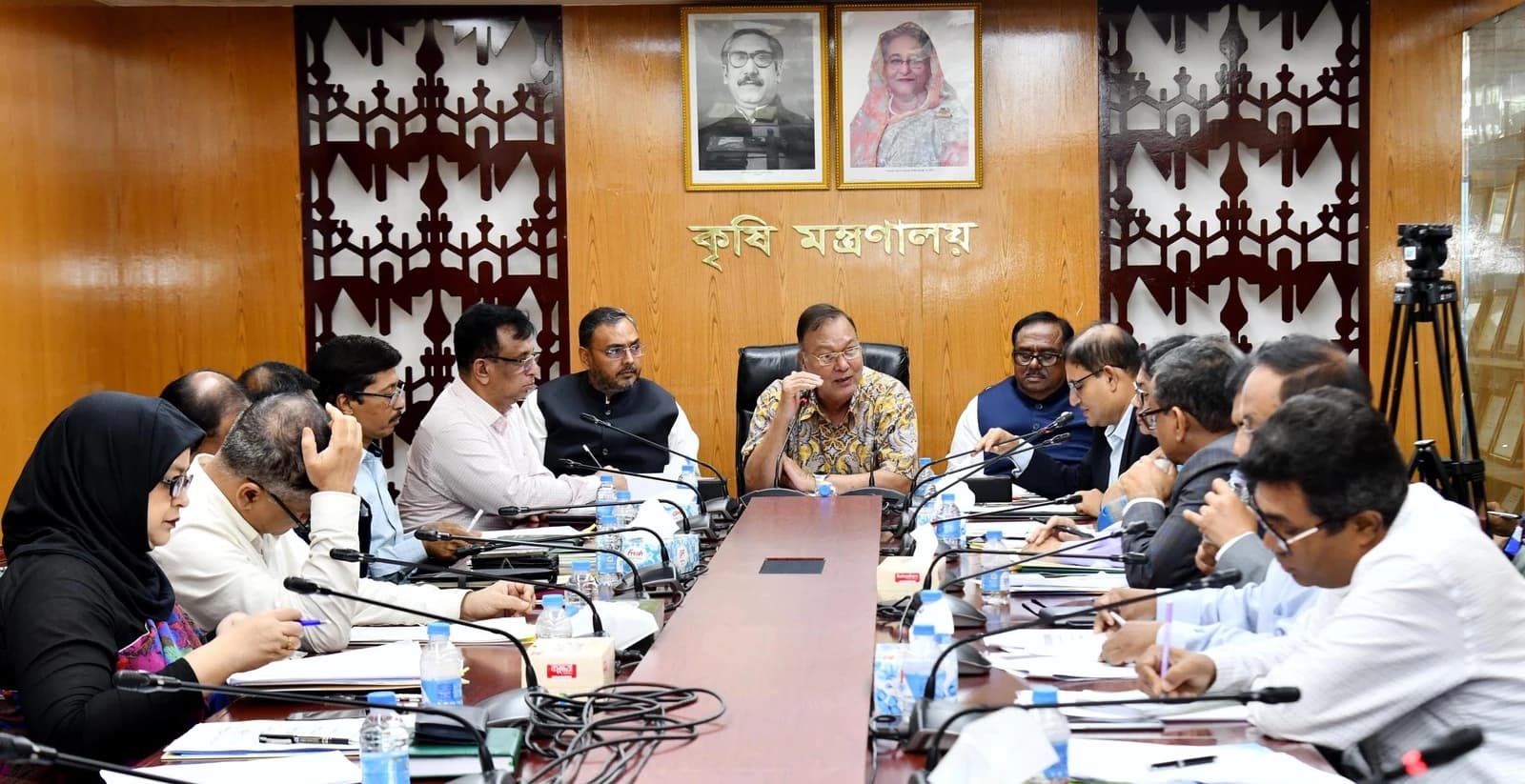
Libya’s economy ministry is stepping up supervision of flour and bread supplies after rising costs forced bakers to close shops and revived fears of shortages in a market where food subsidies are central to social stability.
Libya Steps Up Flour and Bread Supply Checks
CPI
The move matters because bread is a politically sensitive staple in Libya, where weak institutions, fragmented supply chains and import dependence make food inflation a direct threat to household purchasing power and public order. By coordinating with security and regulatory bodies, the government is signaling that it views flour pricing not as a routine market issue but as a distribution problem that requires tighter control over how grain moves from mills to bakeries.
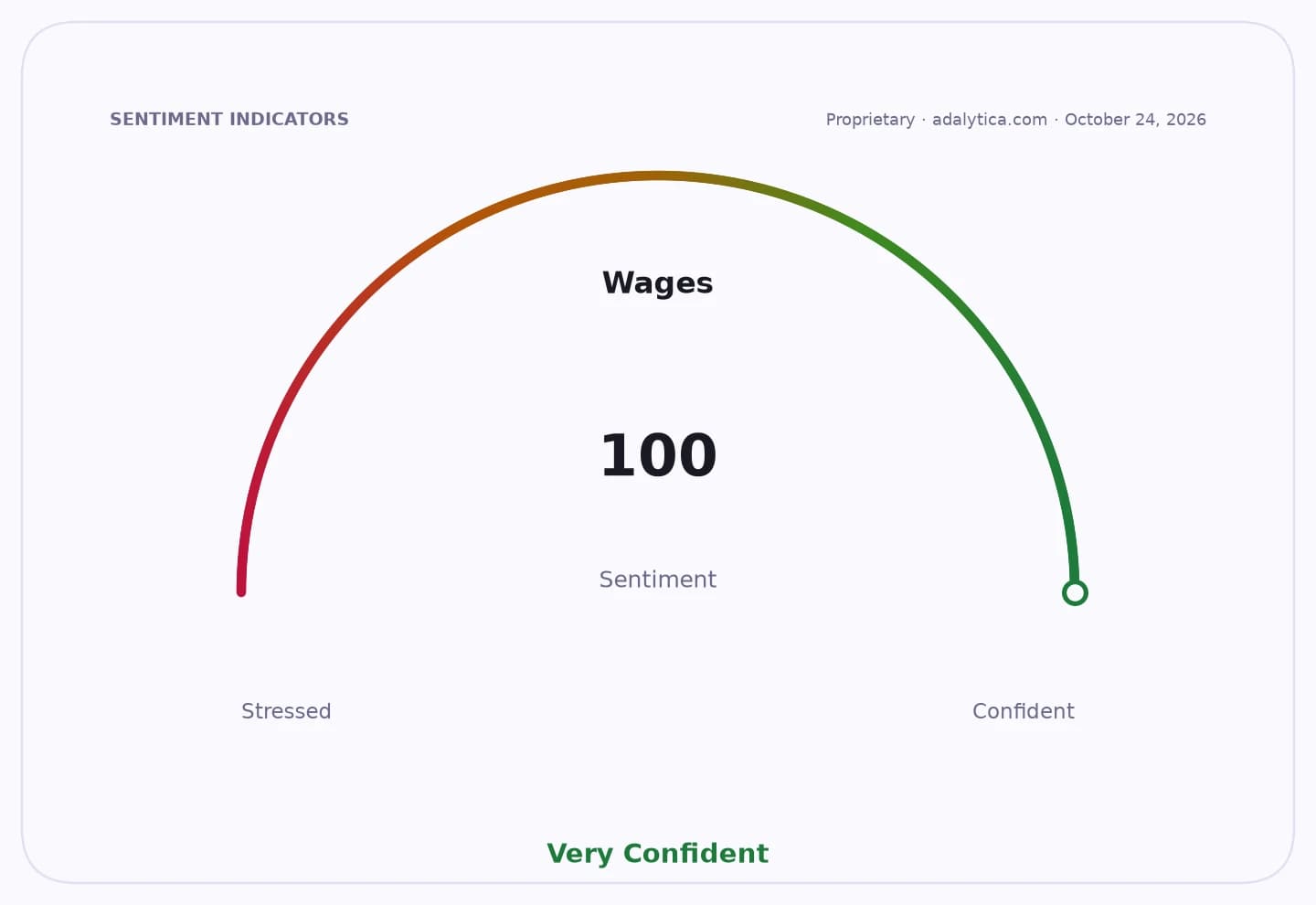
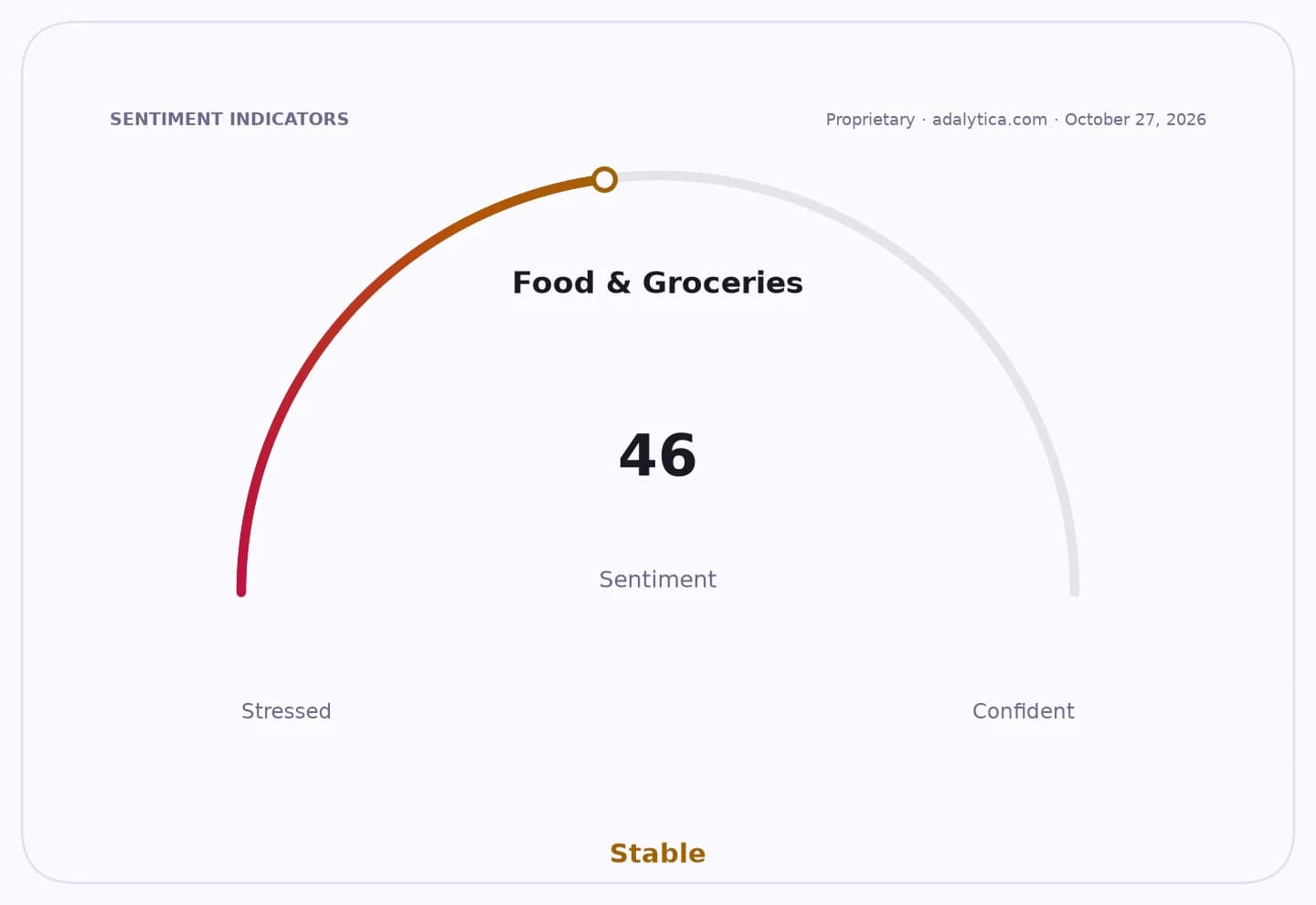
Sentiment Indicators
The ministry said it will intensify field inspections of markets and monitor flour sourcing and distribution to ensure compliance with approved mechanisms. Officials also discussed export and re-export rules, an important point in a country that has struggled with leakage, hoarding and arbitrage in basic goods. The stated aim is to keep essential products available and stabilize prices at a time when domestic markets remain under pressure from supply shortages, global wheat costs and local speculation.
Tripoli has already been forced into intervention. Prime Minister Abdulhamid Dbeibah allocated 148.5 million dinars this month to support bread after the price of a quintal of flour reached 400 dinars. The economy ministry later said direct sales from mills to bakeries had pushed the price down from 380 dinars to below 325 dinars, a decline of more than 55 dinars, or over 14.5%.
But the relief has been uneven. Even with the price drop, bakeries continue to face higher production costs and thinner margins, and some have shut their doors because sales no longer cover expenses. That suggests the issue is not just wholesale flour pricing but the entire cost stack around fuel, transport, labor and inventory financing.
For investors and suppliers, the story is less about a single price cut than about the durability of Libya’s food-distribution model. Continued supervision may curb opportunistic pricing in the near term, but it also underscores how vulnerable the market remains to external wheat prices and domestic bottlenecks. If controls hold, consumers get temporary relief; if they fail, authorities may be pushed toward deeper subsidies or broader intervention in the food chain.
| Entity | Gains | Losses |
|---|---|---|
| Libyan households | ▲Lower bread costs | ▼Short-term supply uncertainty |
| Bakeries | ▲More direct mill access | ▼Higher operating margins pressure |
| Government | ▲Political stability gains | ▼Fiscal subsidy burden |
| Flour traders/speculators | ▲Tighter oversight constrains arbitrage | ▼Reduced pricing power |