Libya is preparing to lift its minimum monthly wage by 67% to 1,500 dinars, a politically sensitive move that could improve incomes for public-sector workers but also deepen pressure on a state payroll already swollen by decades of oil-funded hiring.
Libya Plans 67% Minimum Wage Increase
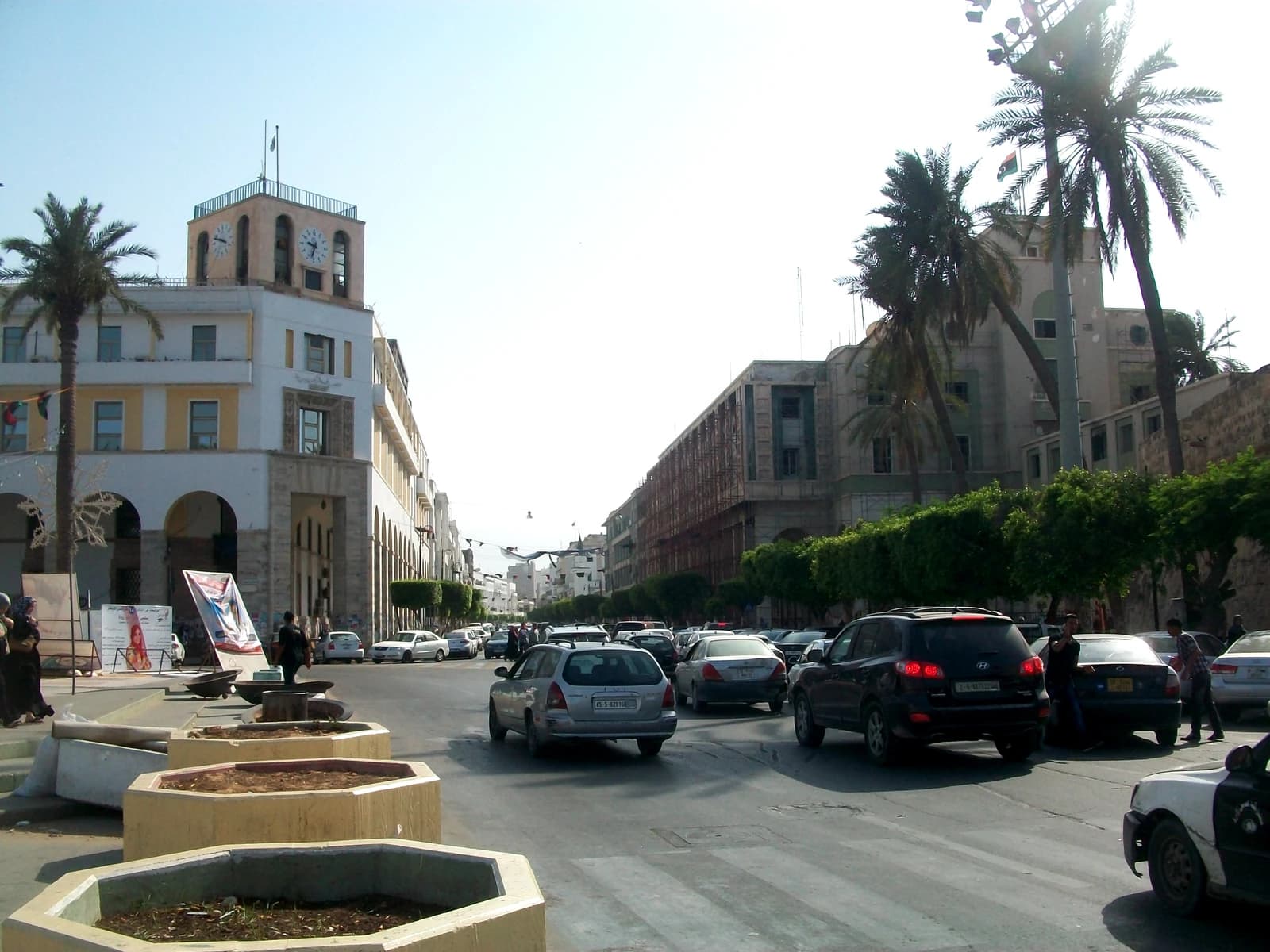
The proposed increase, from 900 dinars to 1,500 dinars, would take the legal floor to about $234 a month at the cited exchange rate of 6.4 dinars to the dollar, up from roughly $141. That looks like a meaningful gain on paper, but its real impact will depend on whether prices stabilize and the dinar holds its value. In a country where imports dominate consumption and foreign-exchange conditions can move quickly, a nominal wage hike does not automatically translate into higher purchasing power.
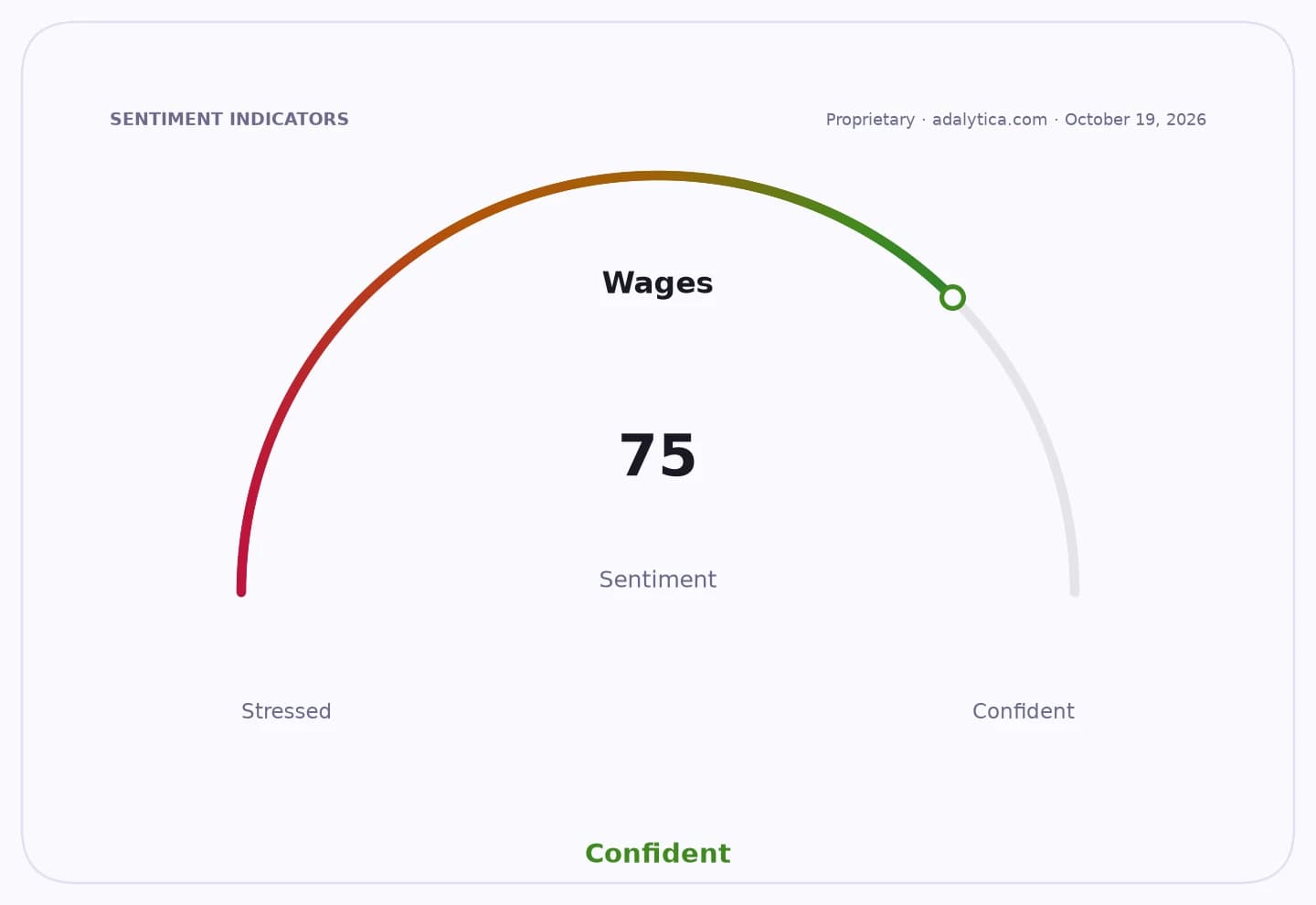
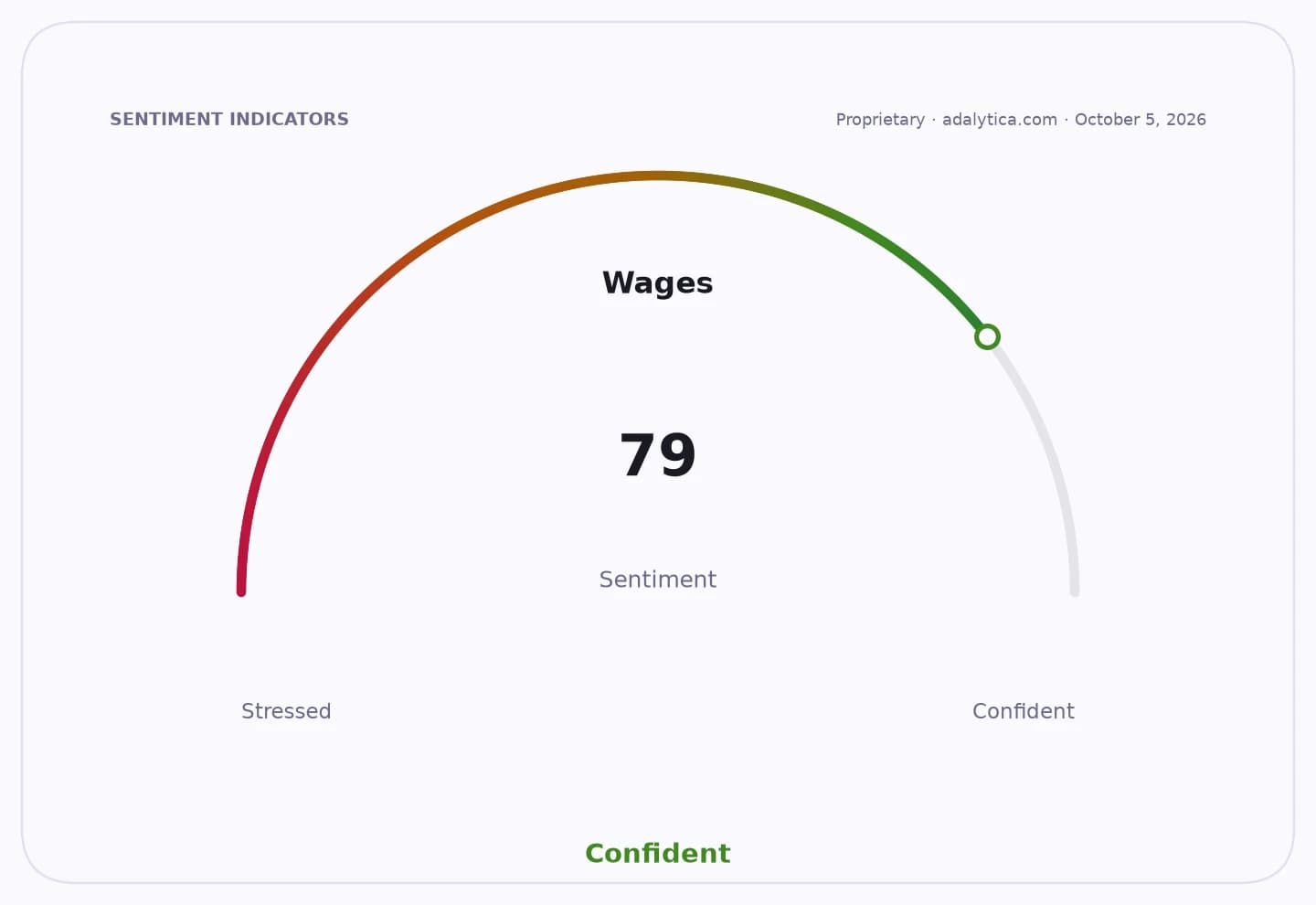
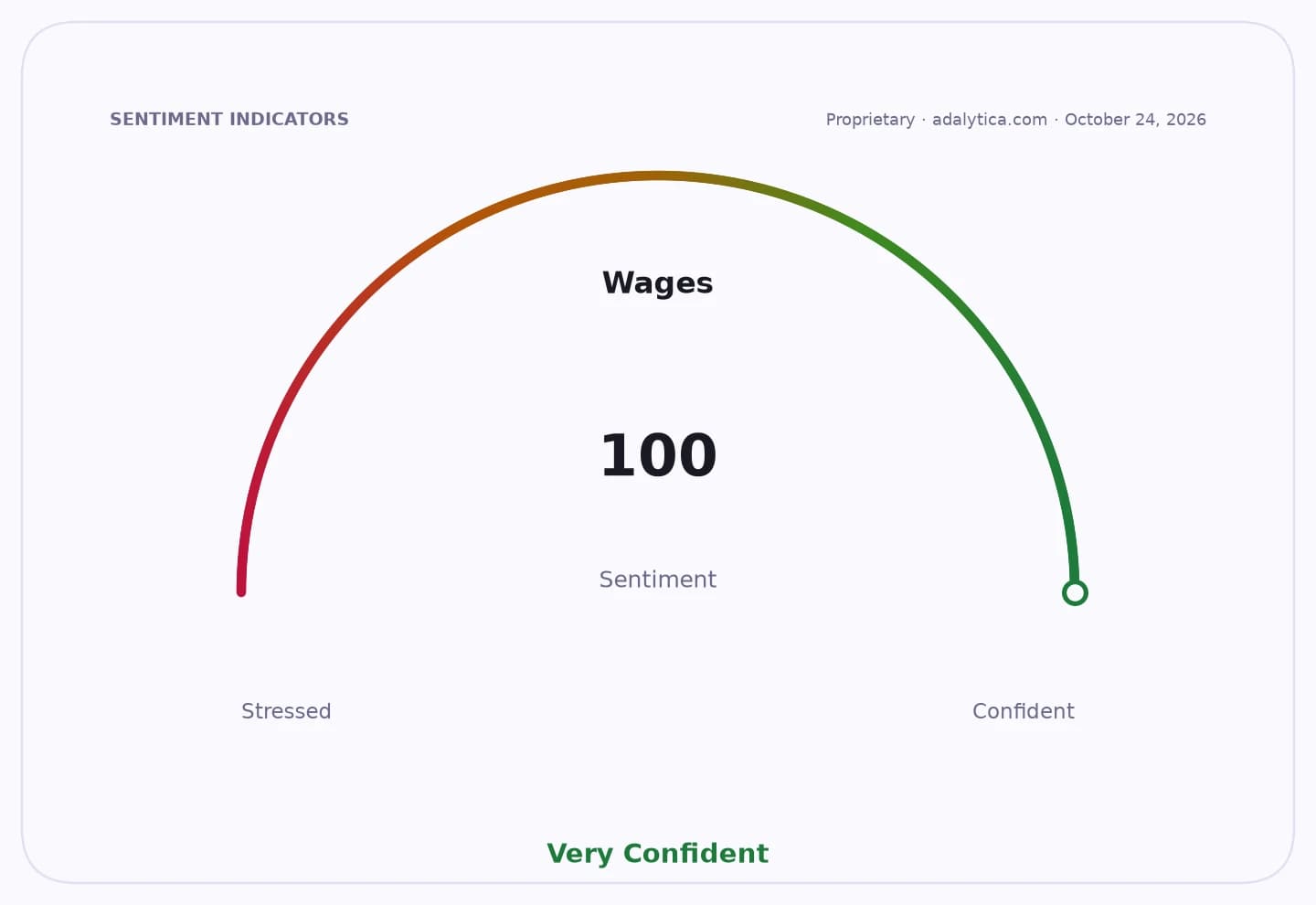
Sentiment IndicatorsⓘProprietary · adalytica.com · October 24, 2026
This is a snapshot — live sentiment, awareness and momentum for 130+ markets update continuously in the dashboard.Open AlphaPulse
The bigger issue for investors and policymakers is fiscal sustainability. Libyan officials and local estimates put public-sector employment at 2.25 million to 2.5 million people, roughly 30% to 33% of the population. That makes wages one of the government’s largest and most rigid spending items, financed primarily by oil revenue that is highly exposed to output disruptions, price volatility and political fragmentation. Expanding the wage bill without a durable financing plan risks crowding out other state spending and sharpening pressure on the budget in any period of weaker crude receipts.
The proposed unified salary scale would also compress and reorganize pay across state bodies, with a top salary of 16,000 dinars and special allowances that could reach 30% for teachers who are actively teaching and as much as 50% in some sectors. That suggests the authorities are trying to balance social relief with administrative order, but it also explains the resistance from sectors that fear losing older pay structures and profession-linked premiums. The government still has not disclosed the total fiscal cost or a start date, leaving the market to judge the plan as more of a political commitment than a fully financed policy.
For Libya’s economy, the measure reflects a familiar trade-off: using state wages to preserve social stability while relying on hydrocarbons to absorb the bill. For investors, that matters because it speaks to the durability of public finances, the likely path of domestic demand and the risk that higher nominal pay simply feeds inflation if the currency and supply conditions do not improve. The next test will be whether lawmakers approve the framework and whether Finance Ministry officials can show how the extra cost will be funded without further stressing a fragile fiscal base.
| Entity | Gains | Losses |
|---|---|---|
| Public-sector workers | ▲Higher nominal pay | ▼Limited gain if inflation accelerates |
| Libyan government | ▲Social calm, wage harmonization | ▼Bigger fiscal burden |
| Oil revenue / state budget | ▲None | ▼Greater dependence on volatile receipts |
| Private sector employers | ▲Relative wage relief if public pay is standardized | ▼Higher labor cost expectations |