Libya’s flour prices have dropped more than 14.5% as wheat inventories improve and mills expand direct sales to bakeries, offering the clearest sign yet that a tighter grain market is easing for consumers and food sellers.
Libya flour prices fall as wheat stocks improve
The Ministry of Economy said flour now sells for less than 325 dinars per quintal, down from 380 dinars previously, a decline of more than 55 dinars. For Libya, where bread costs are a politically sensitive gauge of household inflation, the move points to some relief after a period of price pressure tied to strained supply and distribution bottlenecks.
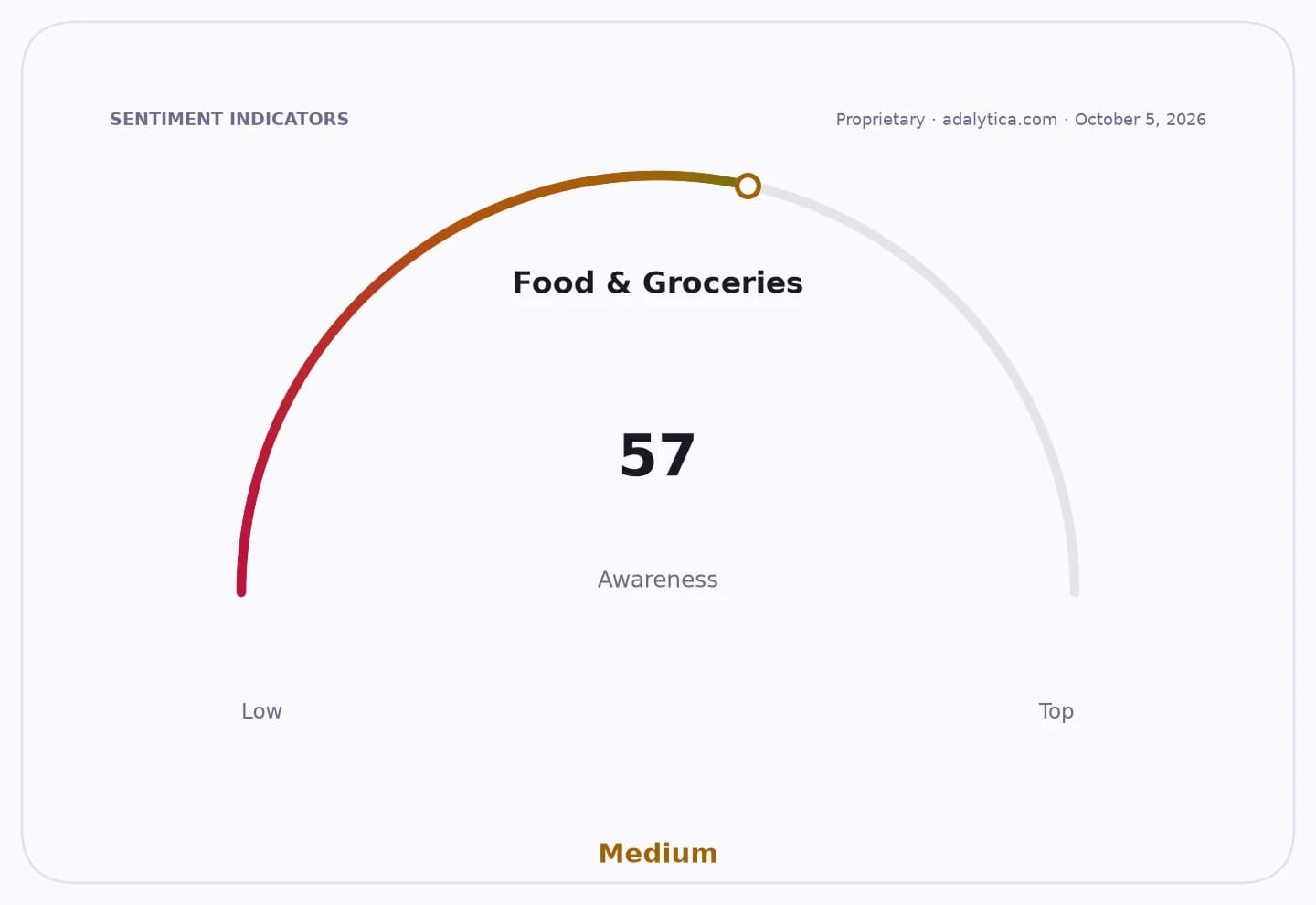
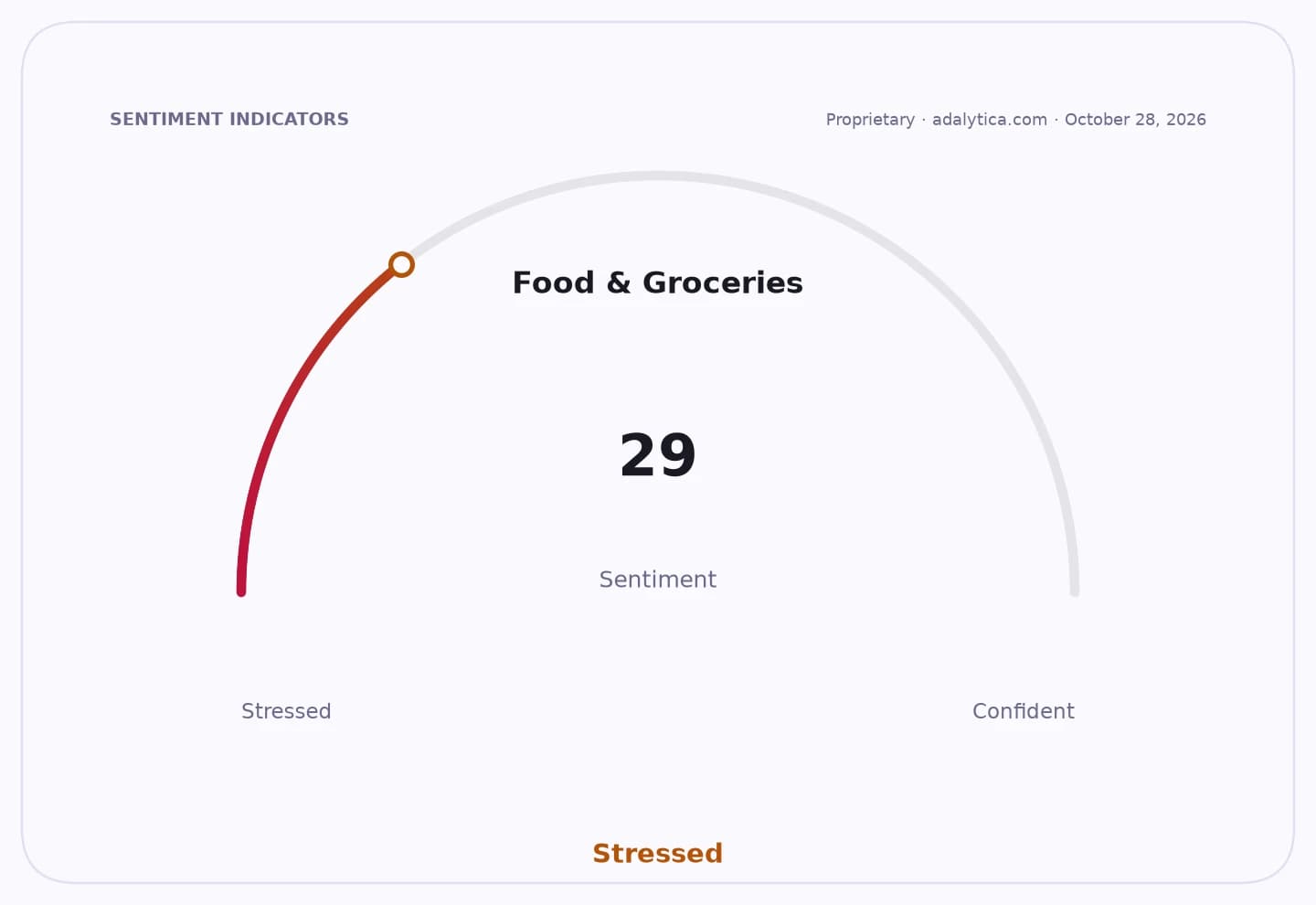
Sentiment Indicators
Officials linked the drop to a rebound in soft wheat stocks and to a wider shift in how flour reaches the market. Fifteen food companies and groups have said they are ready to supply flour directly to bakeries, reducing the role of middlemen and helping bring down delivery costs that had been feeding into retail prices.
The ministry said it is continuing to monitor grain inventories, pricing and distribution flows to make sure the improvement in supply is passed through to bakeries and, ultimately, to bread prices. That matters economically because food inflation has an outsized effect in Libya, where imported staples and uneven logistics can quickly filter into household budgets and business costs.
For investors and traders, the immediate readthrough is more limited than for a listed market, but the development still matters as a signal on North African food inflation and import demand. A steadier wheat pipeline can ease pressure on domestic food sellers, while also reducing the risk of further social strain from higher bread costs.
The key question now is whether the stock recovery holds and whether direct supply arrangements can keep prices contained beyond a short-lived dip. If wheat inventories stay firm, Libya’s bread market could remain more stable in the near term; if supply tightens again, the recent price relief could fade quickly.
| Entity | Gains | Losses |
|---|---|---|
| Libyan consumers | ▲Lower bread costs | ▼Less immediate price pressure relief if stocks slip |
| Bakeries | ▲More direct supply access | ▼Less room for passing on higher costs |
| Flour mills and food suppliers | ▲Bigger direct sales channel | ▼Lower margins from reduced distribution markups |
| Middlemen/distributors | ▲Less relevant in the chain | ▼Lower role and fee income |