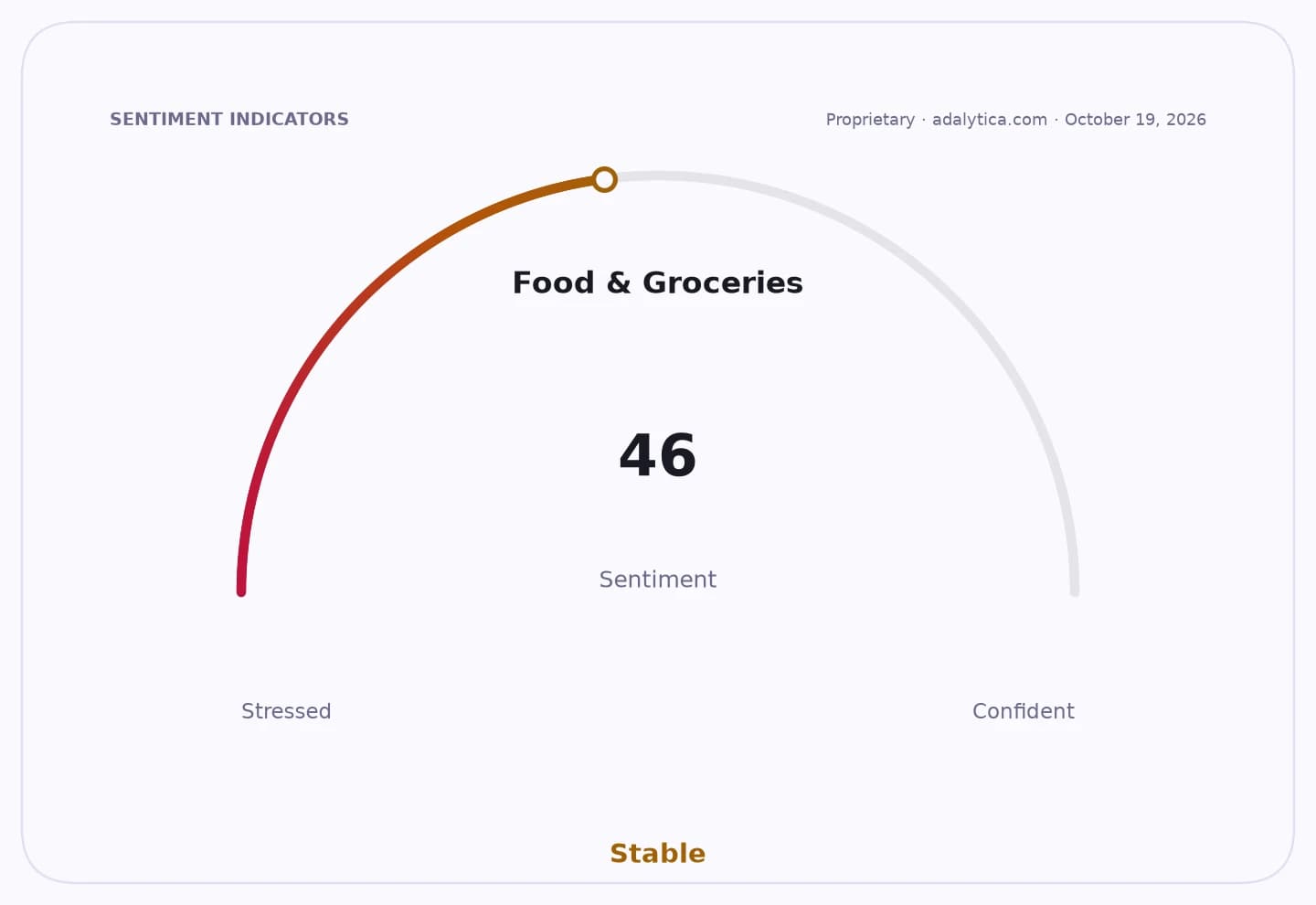
CIM’s dispute with Mozambique’s Cereals Institute over a reported suspension of its wheat and rice imports matters because it raises the risk of tighter grain supply in a country already exposed to imported food inflation, just as cereal prices are projected to climb sharply and global commodity markets remain volatile.
Mozambique CIM disputes wheat and rice import suspension
The Matola-based company said the move announced by the Instituto de Cereais de Moçambique on Oct. 13 has no legal basis, arguing it was not formally notified, given a hearing or allowed to defend itself. CIM also said the unloading of 3,300 tons of wheat at the Port of Matola had explicit customs clearance, rejecting claims the shipment was irregular.
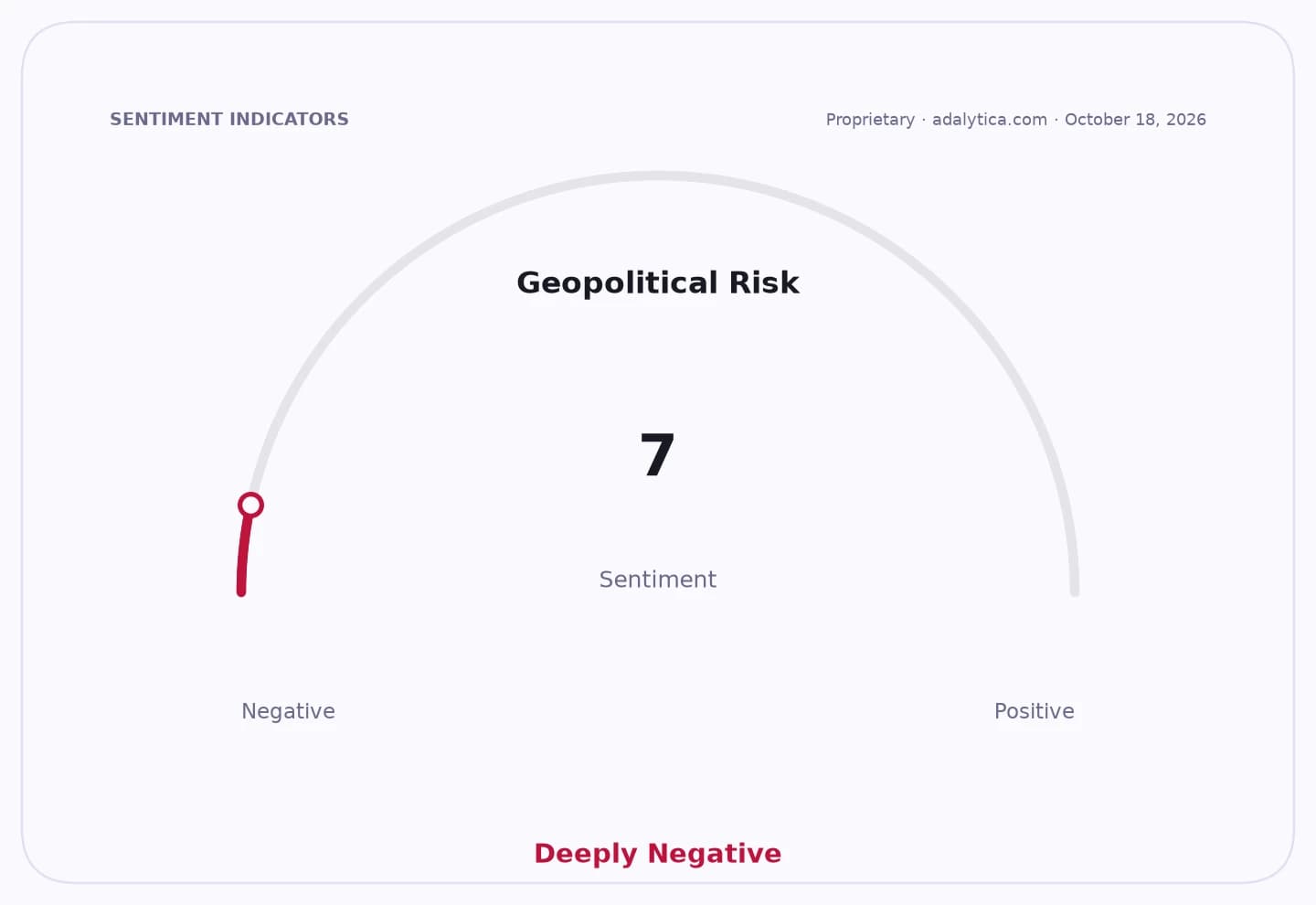
Sentiment IndicatorsⓘProprietary · adalytica.com · October 18, 2026
This is a snapshot — live sentiment, awareness and momentum for 130+ markets update continuously in the dashboard.Open AlphaPulse
The dispute is more than a procedural quarrel. In a market where staple food costs can move quickly through transport, milling and retail chains, any interruption to wheat and rice imports can ripple through bread, flour and household budgets. That is especially relevant in Mozambique, where dependence on imported cereals leaves consumers and food processors vulnerable to policy shifts, port delays and enforcement actions.
The timing is also awkward for authorities. Broader cereal prices are projected to surge by as much as 81% amid geopolitical tensions and weather-related crop damage, while U.S. data show agricultural and consumer price indices still elevated. Commodity markets have already been choppy: U.S. wheat and corn futures have retreated from recent highs but remain sensitive to supply shocks, and the Bloomberg-style grain complex is still trading against a backdrop of tight inventories and policy uncertainty.
For investors, the immediate issue is not just CIM itself but the wider signal for Mozambique’s import-dependent food chain. If the suspension is upheld or widened, it could lift procurement costs, squeeze millers and raise working-capital needs for traders. If CIM prevails, it would reduce the chance of a sudden supply disruption and may ease near-term pressure on cereal availability and margins. Either way, the episode underscores how regulatory friction can quickly become a pricing event in essential foods.
The next catalysts are legal and administrative: whether the institute formalizes its case, whether customs records are accepted as sufficient evidence, and whether other importers face similar scrutiny. For markets, the key takeaway is that cereals are not just a commodity story here; they are an inflation and policy story with direct consequences for consumers, suppliers and food security.
| Entity | Gains | Losses |
|---|---|---|
| CIM | ▲import continuity | ▼suspension risk |
| Mozambican consumers | ▲grain supply stability | ▼higher food prices |
| Cereals Institute of Mozambique | ▲enforcement power | ▼legal challenge |
| Grain traders/millers | ▲clear customs rules | ▼tighter margins |