Mozambique’s cereals regulator has suspended three companies from importing rice and wheat after seizing 34,300 tons of grain, a move that tightens state control over a strategic food supply chain and could reshape near-term import flows in one of southern Africa’s most price-sensitive markets.
Mozambique suspends three grain importers after seizures

The Institute of Cereals of Mozambique said the indefinite suspension covers Companhia Industrial da Matola, África Indústria and Pembe Mozambique after repeated imports were made without the required authorization. The agency said the operators can resume imports only after regularizing their position under the law.
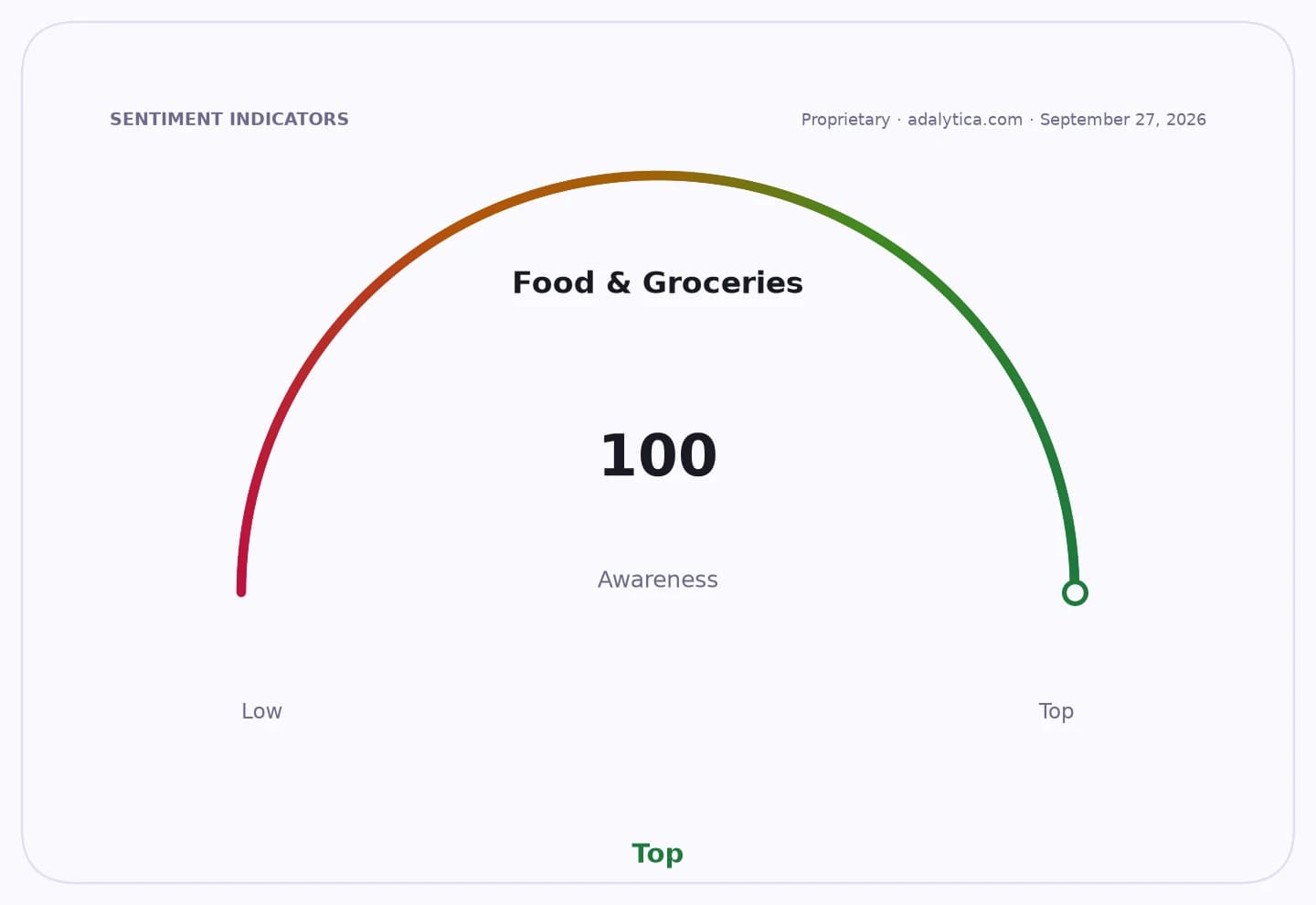
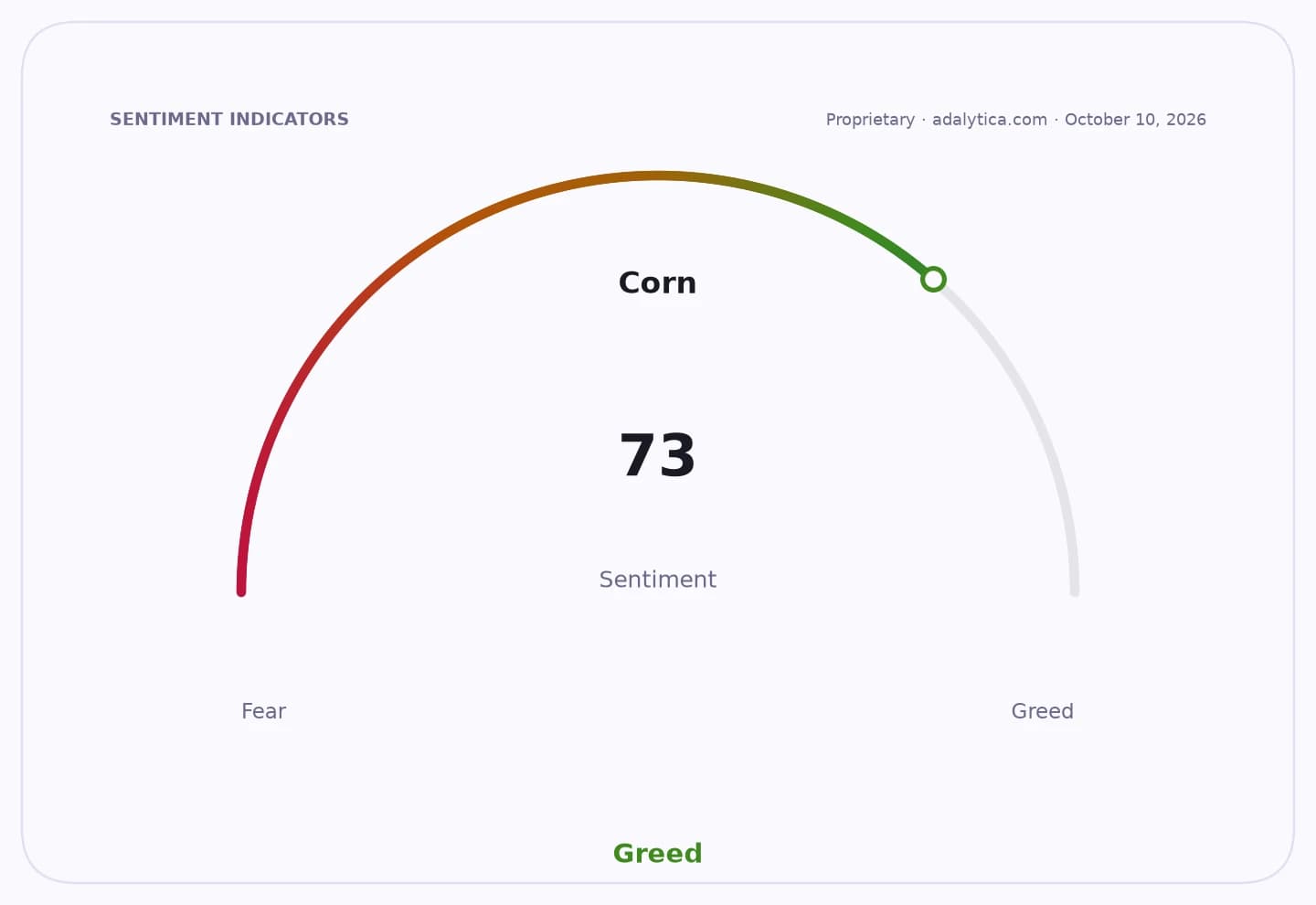
Sentiment IndicatorsⓘProprietary · adalytica.com · October 15, 2026
This is a snapshot — live sentiment, awareness and momentum for 130+ markets update continuously in the dashboard.Open AlphaPulse
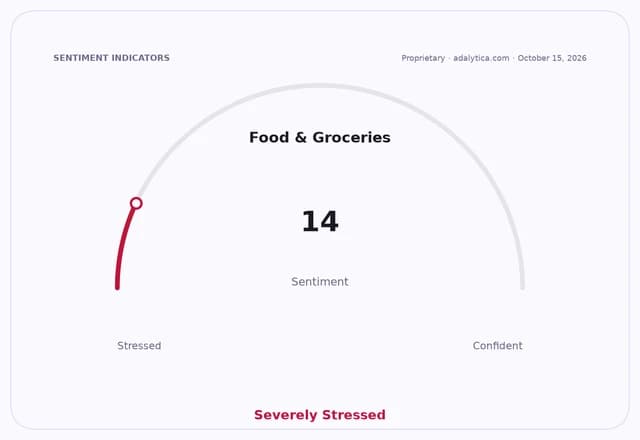
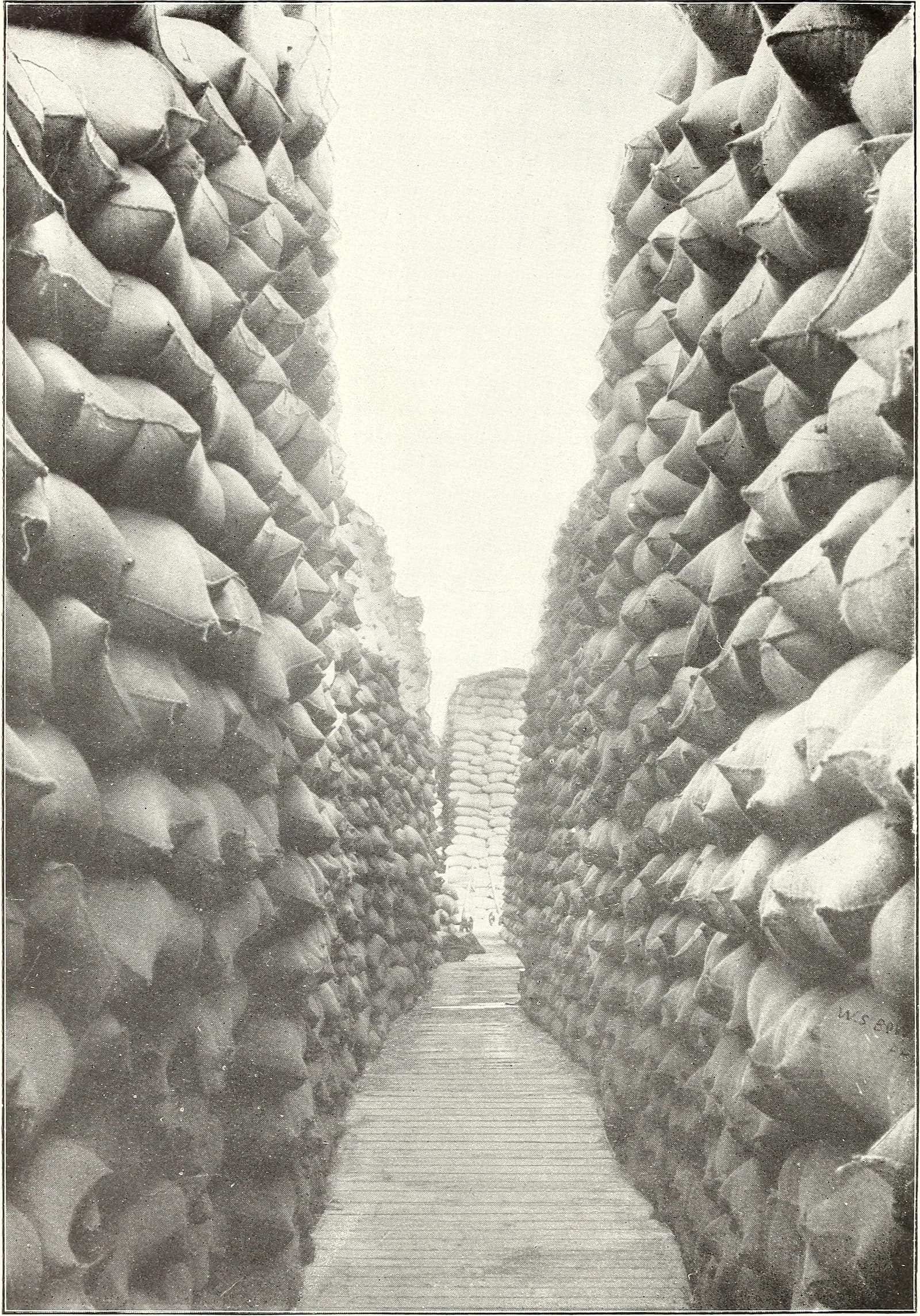
The regulator also seized 3,300 tons of wheat imported by CIM through the Port of Matola, 6,000 tons of wheat belonging to Pembe Mozambique and 25,000 tons of rice from África Indústria. The 25,000 tons of rice are set to revert to the state under the rules cited by the institute, while the remaining cases are still under review.
The decision matters economically because rice and wheat are staple imports in a country that relies heavily on foreign supply to feed consumers and support industrial users. Interruptions to import channels can tighten availability, affect pricing and raise working-capital pressure on millers, traders and food producers that depend on predictable customs and licensing procedures.
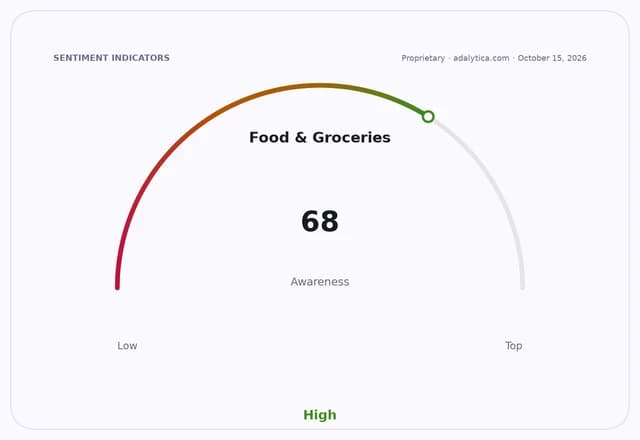
For investors, the move underscores regulatory risk in Mozambique’s agribusiness and import distribution channels. Companies exposed to grain logistics, port handling, storage and food processing face the possibility of delays, seized cargoes and cash tied up in compliance disputes, while compliant operators could gain market share if rivals are sidelined.
The state intervention also points to a broader policy narrative: Mozambique is trying to enforce formal authorization rules more aggressively in a sector tied directly to food security and inflation. The institute said it wants to preserve transparency, predictability and the orderly functioning of the domestic rice and wheat market, while still allowing the affected companies to buy raw material locally if they comply with the law.
That suggests the immediate focus is not a blanket import ban, but a push to force consolidation around licensed operators and tighter oversight of shipments entering through key ports. The next catalyst will be whether the suspended firms can clear their cases quickly, or whether the action leads to tighter supply, higher replacement costs and more scrutiny of grain import practices across the market.
| Entity | Gains | Losses |
|---|---|---|
| ICM / Mozambican state | ▲Stronger control | ▼Compliance burden |
| Compliant importers | ▲Market share | ▼— |
| CIM, África Indústria, Pembe Mozambique | ▲— | ▼Suspended imports, seized cargo |
| Consumers / food buyers | ▲Better oversight | ▼Supply risk, price pressure |