Mozambique’s Cereals Institute is intensifying corn purchases in the northern province of Tete to shore up food reserves and steady local prices as El Niño raises the risk of drought and supply disruption.
Mozambique ICM boosts corn purchases in Tete
The move matters because corn is a basic staple in Mozambique, and a weaker harvest would quickly feed into household food costs and rural incomes. By buying more aggressively from farmers, cooperatives and associations, the Institute of Cereals of Mozambique, or ICM, is trying to create a buffer before weather damage tightens supply further.
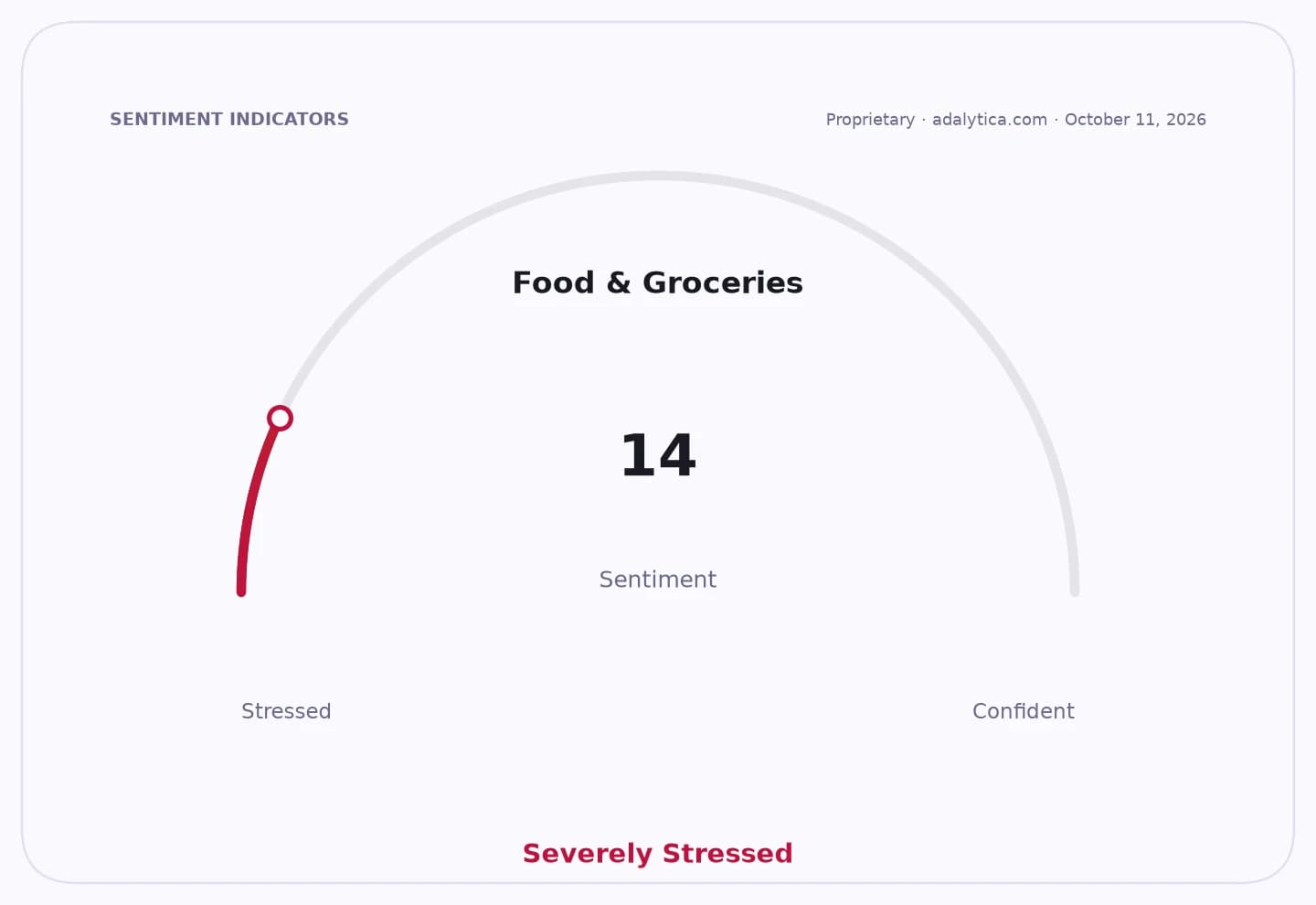
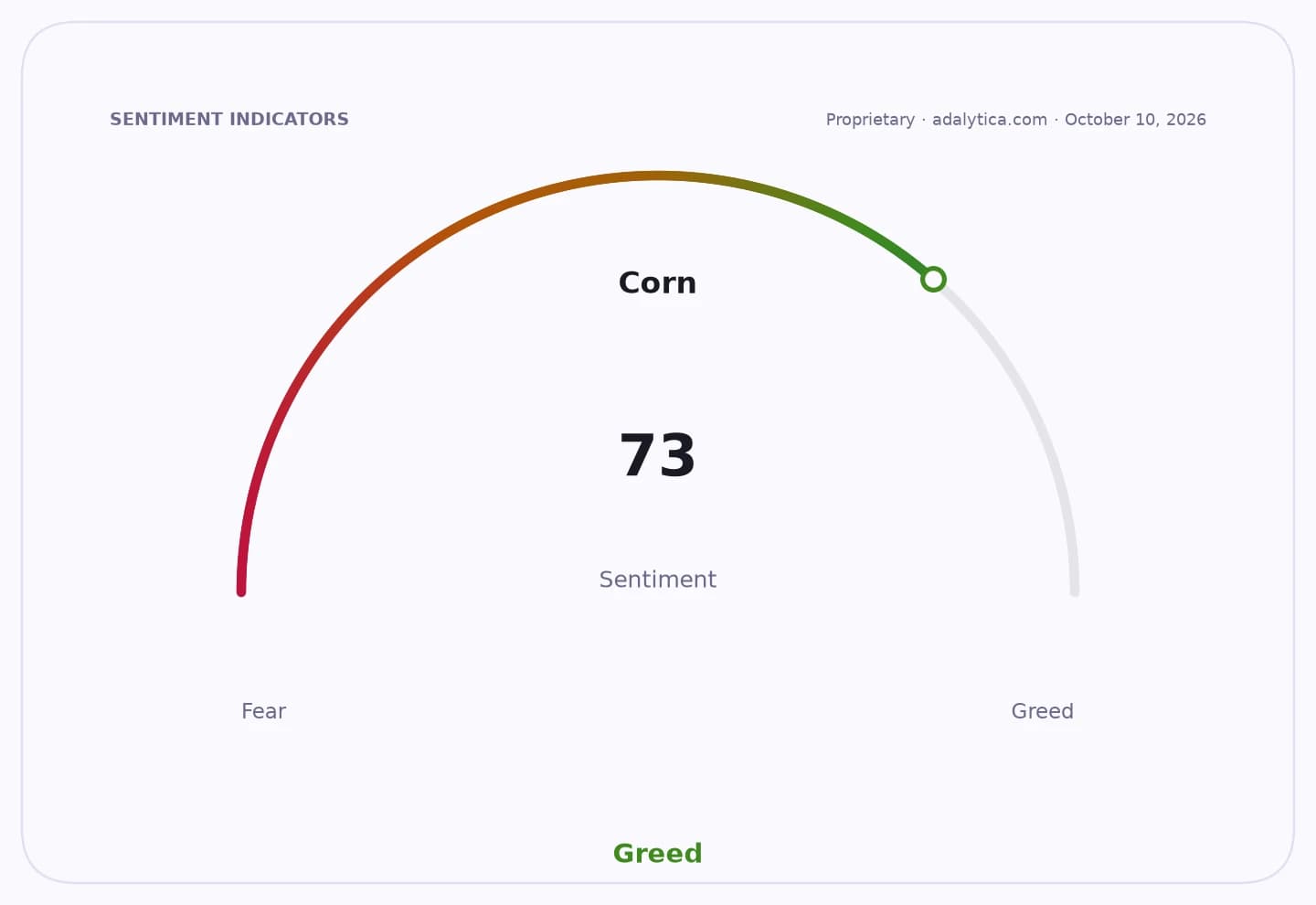
Sentiment IndicatorsⓘProprietary · adalytica.com · October 10, 2026
This is a snapshot — live sentiment, awareness and momentum for 130+ markets update continuously in the dashboard.Open AlphaPulse
ICM director Carlos Mavume said the agency is increasing purchases in local communities to ensure “adequate supply and price stability” in the market. That puts the state in the role of backstop buyer at a time when climate uncertainty is already pressuring the agricultural outlook. In practical terms, the buying campaign can help absorb some of the crop that might otherwise remain unmarketed, while also building strategic stocks for later distribution.
The stakes are broader than one province. Tete is one of Mozambique’s important grain-producing areas, and a failed rainy season would ripple through national food availability just as the country is bracing for more extreme weather linked to El Niño. The initiative also reflects a familiar policy trade-off in southern Africa: governments move to support farmers and contain food inflation, but they also take on the risk of buying into a market that may still weaken if harvests hold up or imports increase.
For investors, the immediate relevance is less about a listed company than about the direction of regional agricultural pricing and climate risk. Corn markets are already sensitive to weather headlines, and the broader global backdrop has been shaped by crop revisions and shifting supply expectations. In Mozambique, stronger state demand could cushion farmgate prices locally, but it may also signal that officials expect tighter domestic balances ahead.
The next tests will be rainfall patterns in the coming months, the scale of the eventual harvest and whether ICM can keep procurement moving without running into budget or logistics constraints. If El Niño damage deepens, more government intervention in staple foods would be likely; if conditions improve, the buying drive could prove enough to stabilize the market without a larger price shock.
| Entity | Gains | Losses |
|---|---|---|
| ICM / Mozambican state | ▲Larger grain reserves | ▼Higher procurement burden |
| Tete farmers | ▲Stronger local demand | ▼Weather-linked crop risk |
| Consumers | ▲Better supply stability | ▼Exposure if harvests fail |
| Traders/importers | ▲Less immediate panic buying | ▼Tighter margins if state stockpiles rise |