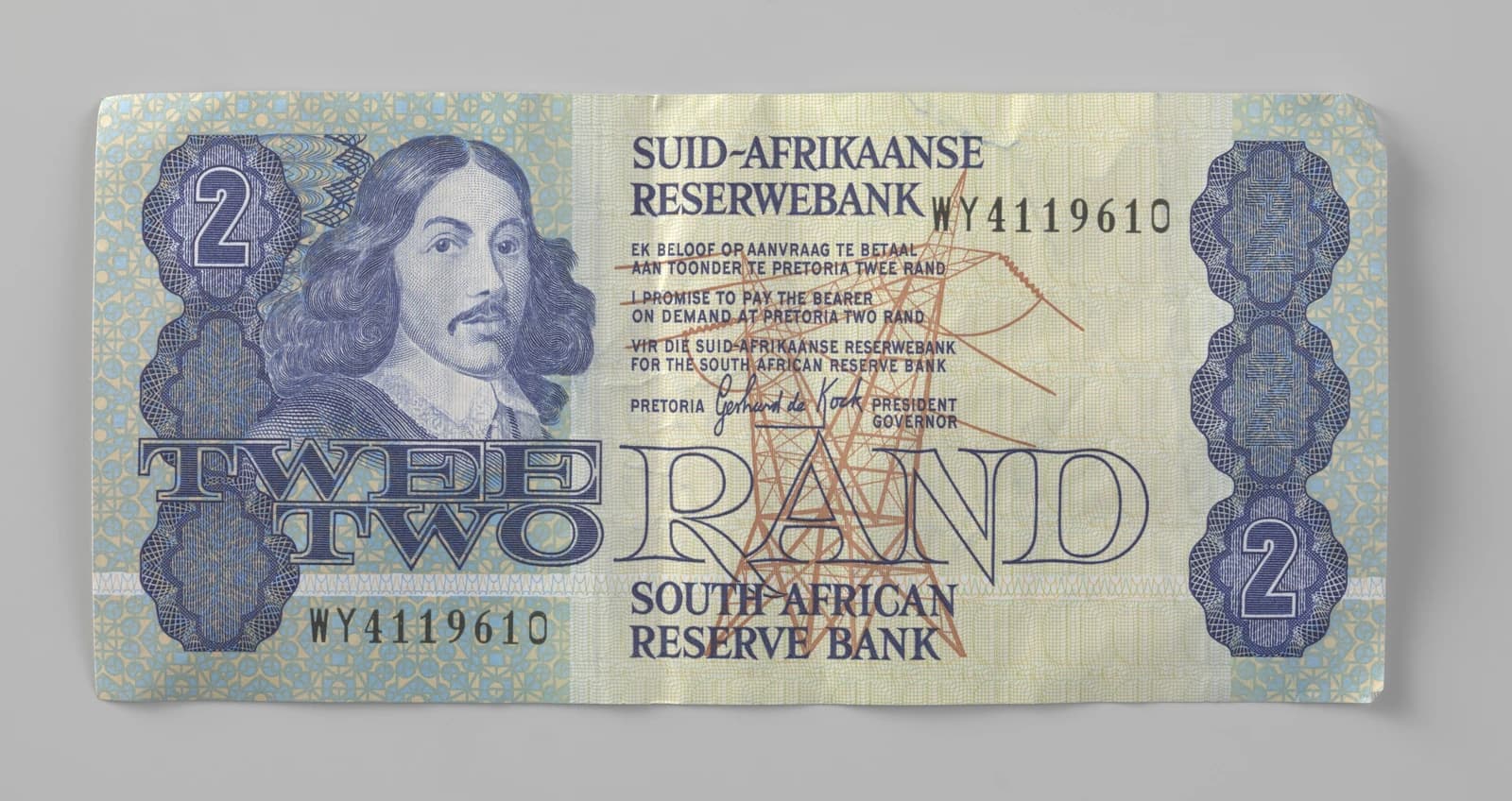
The rand is staying in a narrow range as investors wait to see whether South Africa keeps preferential access to the U.S. market under the African Growth and Opportunity Act, while local election results could further shape the country’s political outlook.
South Africa Rand Holds Before AGOA Decision
That matters because AGOA is more than a trade acronym for South Africa. It helps support exports, factory jobs and foreign-currency earnings at a time when the economy is already struggling with weak growth, unreliable power and persistent policy uncertainty. A favorable decision would remove one near-term risk for the currency and for exporters. A negative one could deepen pressure on the rand by worsening the country’s external earnings outlook just as political uncertainty is rising at home.
For investors, the steady rand reflects a market that is not yet willing to make a big directional bet. Currency traders are effectively waiting for two catalysts at once: Washington’s view on trade access and the signal voters send on the ANC’s grip on power. If the results point to a more fragmented political landscape, that could keep South African assets under scrutiny, even if no immediate crisis emerges.
The broader macro backdrop is still delicate. South Africa depends on confidence from global investors to finance its current account and support the rand, and that confidence can fade quickly when policy, trade and politics all move in the wrong direction at the same time. Treasury yields in the U.S. have also remained elevated by historical standards, which keeps the dollar supported and leaves emerging-market currencies with little room for disappointment. The 10-year U.S. Treasury yield was around 4.91%, with the two-year at 4.59%, a reminder that global financial conditions are still relatively tight.
That is why the next few days matter. A clean political outcome and a reassuring AGOA decision could give South African assets a short-term lift, even if they do not solve the country’s deeper growth problems. But if either result disappoints, the rand could come under renewed pressure as investors demand more compensation for holding South African risk.
For long-term investors, this is a reminder that South Africa still offers opportunity, but only for those willing to live with volatility and follow policy closely. The rand may be steady for now, but the real test is whether the country can turn political uncertainty into reform momentum. Until then, it remains a market worth watching, not chasing.
| Entity | Gains | Losses |
|---|---|---|
| South African exporters | ▲Continued AGOA access | ▼Higher trade risk if access is lost |
| South African rand | ▲Stable policy outcome | ▼A negative trade or election shock |
| ANC government | ▲Political breathing room | ▼Voter backlash and fragmentation |
| U.S. buyers of South African goods | ▲Reliable supply chain | ▼Tariff and sourcing uncertainty |