The South African rand is proving more resilient than the country’s export backdrop would suggest, holding steady even as the U.S. dollar strengthens and precious metals — two of South Africa’s most important earnings engines — come under pressure.
South African rand holds steady as metals weaken
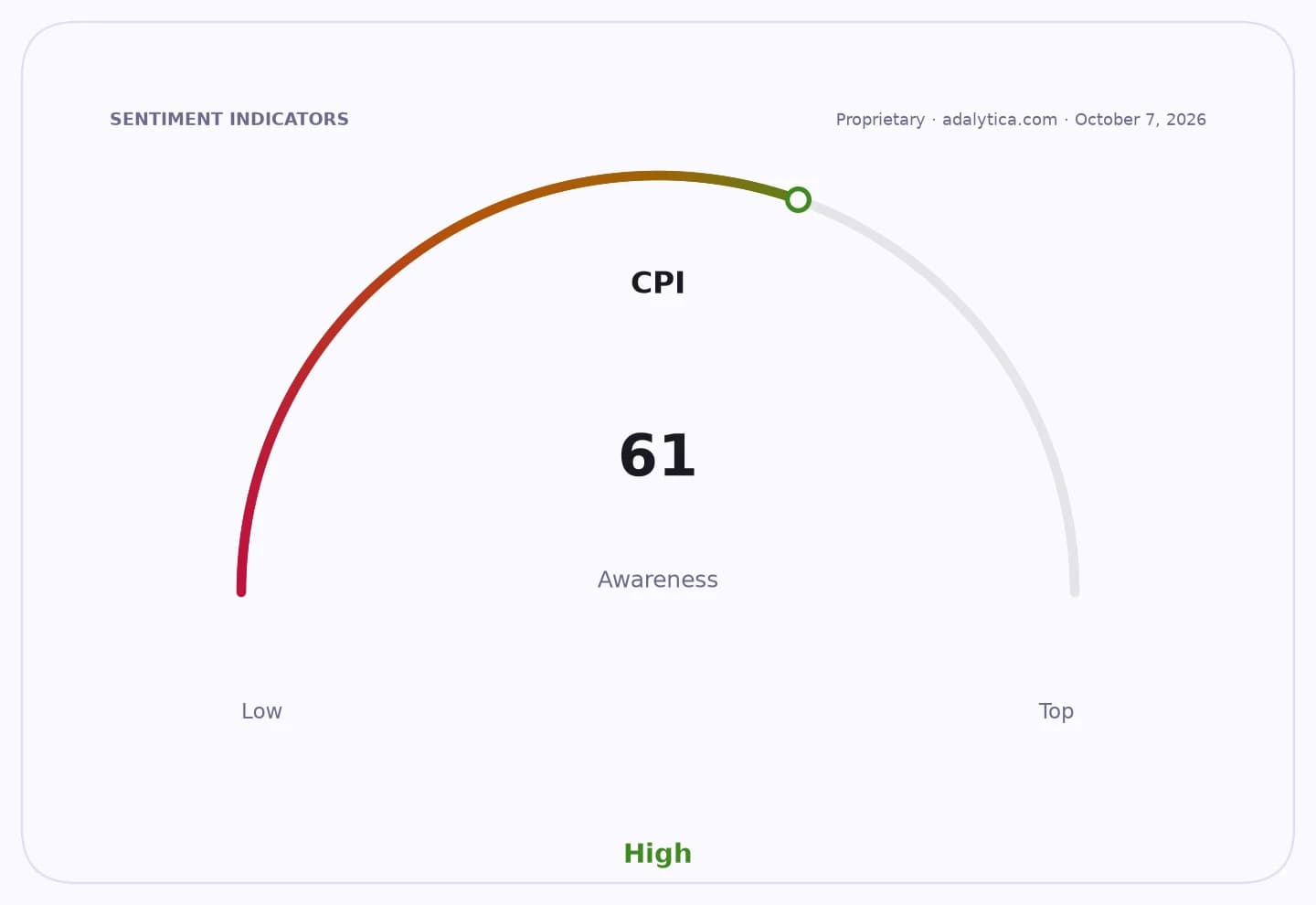
That matters because the rand is often treated as a quick read on South Africa’s external accounts. When gold and platinum weaken, the usual expectation is for the currency to soften as export receipts and the trade balance take a hit. Instead, the rand has stayed remarkably range-bound, with Adalytica’s trend indicators showing it still trading close to its 50-day moving average and above its 200-day average, a sign that underlying support has not disappeared.

On Tuesday morning, the currency changed hands at 16.6325 per dollar, little moved from the previous close of 16.6497, before easing to 16.54 in the latest session. That is notable given the backdrop: the dollar index firmed after expectations for a U.S. Federal Reserve rate cut this month faded, while gold and platinum fell, both hurt by the stronger greenback. Those metals are central to South Africa’s export basket, so their decline usually feeds directly into weaker rand sentiment.
Yet local market participants appear to be looking past the immediate commodity drag. ETM Analytics said the rand remained resilient despite the stronger dollar, even as weak gold and platinum prices and elevated oil costs weighed on the currency. The firm also warned against reading too much into the rand’s stability, saying South Africa remains vulnerable to fresh shocks and that lower foreign participation can sometimes mask the full effect of those risks.

For investors, the key point is that the rand’s calm does not necessarily mean the economy is suddenly healthier. It may reflect thinner foreign positioning, which can make price moves look less dramatic until a new catalyst arrives. That is a familiar pattern in emerging markets: currencies can appear stable right up until commodity prices, U.S. rates, or risk appetite shift again.
The bond market also seemed to take the currency’s steadiness in stride. South Africa’s benchmark 2035 government bond strengthened in early trade, with the yield falling 3.5 basis points to 8.85%, suggesting some demand for local fixed income even as global dollar strength and weaker metals cloud the outlook.
For long-term investors, the rand’s resilience is worth watching, but not overinterpreting. If South Africa can keep attracting capital despite softer export prices, that supports local assets and reduces near-term funding stress. If not, the current calm could prove temporary. The bigger lesson is that currency stability built on thin participation is fragile — and worth treating as an opportunity to stay diversified, not as a reason to chase confidence.
| Entity | Gains | Losses |
|---|---|---|
| South African rand | ▲Near-term stability | ▼Export sensitivity remains |
| South African government bonds | ▲Lower yields, steadier demand | ▼Higher funding risk if rand weakens |
| South African exporters of gold/platinum | ▲None from firmer dollar | ▼Lower foreign-currency receipts |
| U.S. dollar bulls | ▲Firmer dollar backdrop | ▼Risk of slower EM capital flows |