Africa is on course to install a record 17 gigawatts of solar capacity in 2026, a surge that underscores how quickly businesses and households are bypassing weak grids and turning to distributed power.
Africa to Add Record 17 GW of Solar in 2026
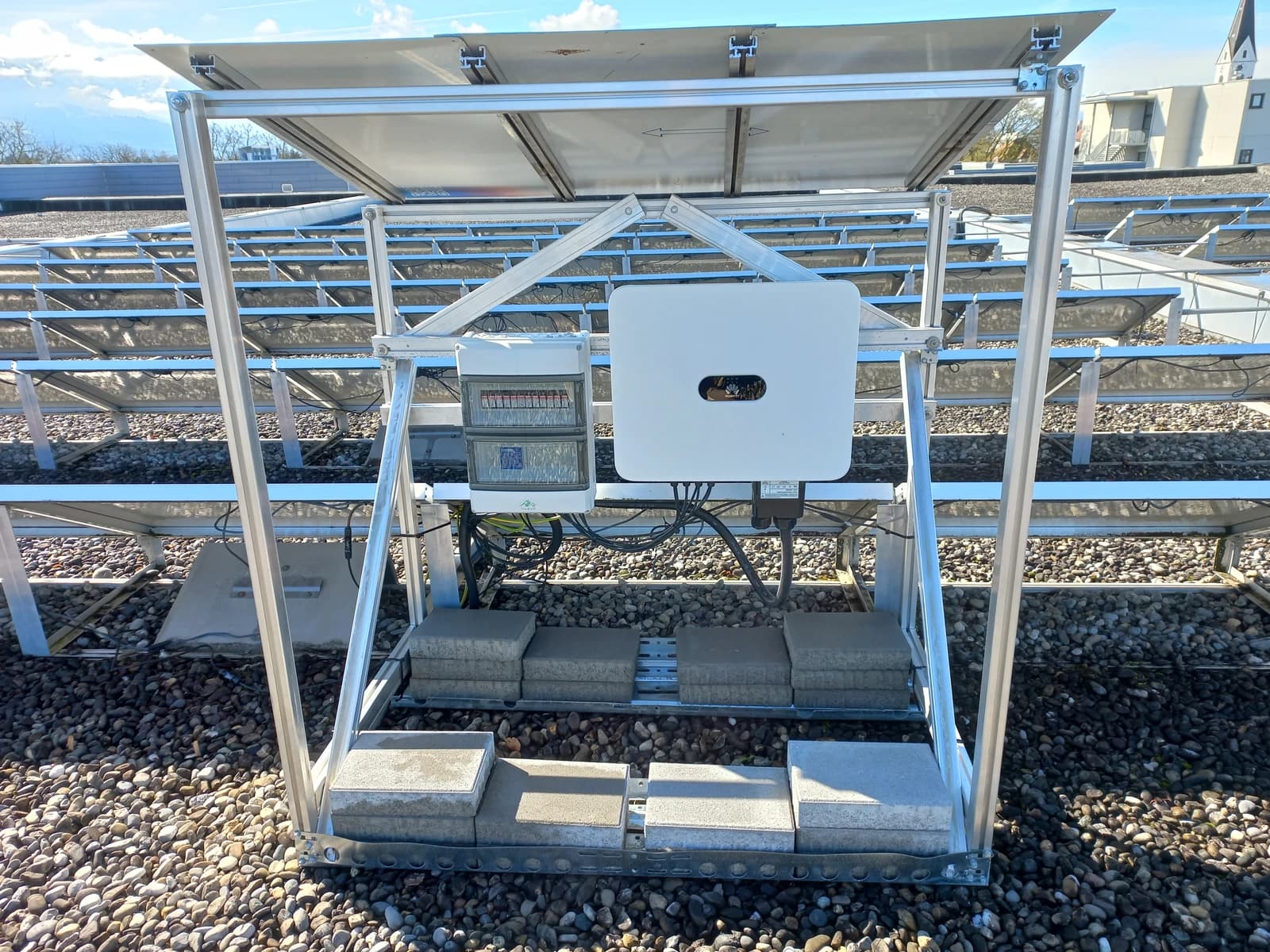
The scale matters because the growth is increasingly coming from systems that do not always show up in official statistics: about three-quarters of the new capacity is expected to be in commercial rooftops, estates and hybrid backup plants rather than large utility-scale farms. That makes Africa’s solar buildout both larger and more structural than many national datasets suggest, and it points to a continent-wide shift in how electricity demand is being met.
Sentiment IndicatorsⓘProprietary · adalytica.com · October 6, 2026
This is a snapshot — live sentiment, awareness and momentum for 130+ markets update continuously in the dashboard.Open AlphaPulse

Ember said installations rose about 45% year on year, after gains of 51% in 2025 and 25% in 2024, and it expects 36 of Africa’s 54 countries to post installation records this year. The pattern suggests solar is no longer a niche replacement for diesel generators or an off-grid solution only for remote users; it is becoming part of mainstream commercial infrastructure in Africa’s larger economies.
South Africa remains the biggest market, but its share of continental installations is expected to fall below 20% for the first time since 2019. That reflects a broadening of demand beyond the region’s most developed power market. On Ember’s estimates, six countries have now become gigawatt-scale markets: South Africa at 3.3 GW, Egypt at 2.0 GW, Nigeria and the Democratic Republic of the Congo at 1.7 GW each, Algeria at 1.4 GW and Morocco at 1.0 GW.
The fastest growth is coming from markets where electricity shortages and fuel costs make solar-plus-storage compelling economics. Ember estimates year-on-year growth above 100% in 19 countries, including 544% in the DRC, 282% in Zimbabwe, 176% in Egypt and 117% in Zambia. For investors, that breadth matters more than any single country total: it suggests a regional procurement cycle, with demand driven by resilience, lower operating costs and the rising competitiveness of imported panels and batteries.
That is also why customs data and installer surveys may now be more useful than national capacity registers. Much of the activity is taking place on commercial rooftops, industrial estates and hybrid backup systems, where private buyers are responding to unreliable supply rather than waiting for public grid expansion. Kowatek Solar said the figures match its own project pipeline in Nigeria, where customers are shifting from emergency generators toward designed solar-and-storage plants.
The economic implications are significant. Solar installations reduce exposure to diesel imports, cut operating costs for manufacturers and retailers, and can ease pressure on strained foreign exchange systems in countries that still rely heavily on imported fuel. They also deepen demand for batteries, inverters, wiring and project finance, creating a wider clean-energy supply chain across the continent.
The story sits alongside a slower but still important electrification push. In June, the World Bank Group and African Development Bank said Mission 300 had connected more than 50 million people across 40 countries since July 2023. But the pace remains far short of the 2030 target, and the International Energy Agency has said universal access in Africa needs about $15 billion a year, versus less than $2.5 billion committed for new connections in sub-Saharan Africa in 2023. That gap helps explain why decentralized solar is growing so quickly: it is filling a financing and infrastructure vacuum as much as an energy one.
For investors, the near-term winners are likely to be solar equipment suppliers, installers, battery firms and local developers serving commercial and industrial clients. The losers are diesel generator sellers, fuel distributors and utilities that fail to adapt to a more distributed power market. For African policymakers, the upside is faster access to power with lower fuel dependence; the risk is that grid planners and regulators will continue to undercount a market already moving at record speed.
| Entity | Gains | Losses |
|---|---|---|
| Solar panel and battery suppliers | ▲Rising equipment demand | ▼Diesel generator makers |
| Commercial and industrial power users | ▲Lower energy costs | ▼Fuel-intensive operators |
| Distributed installers and developers | ▲More project pipeline | ▼Slow-moving utilities |
| African economies | ▲Better power access | ▼Import-heavy fuel systems |