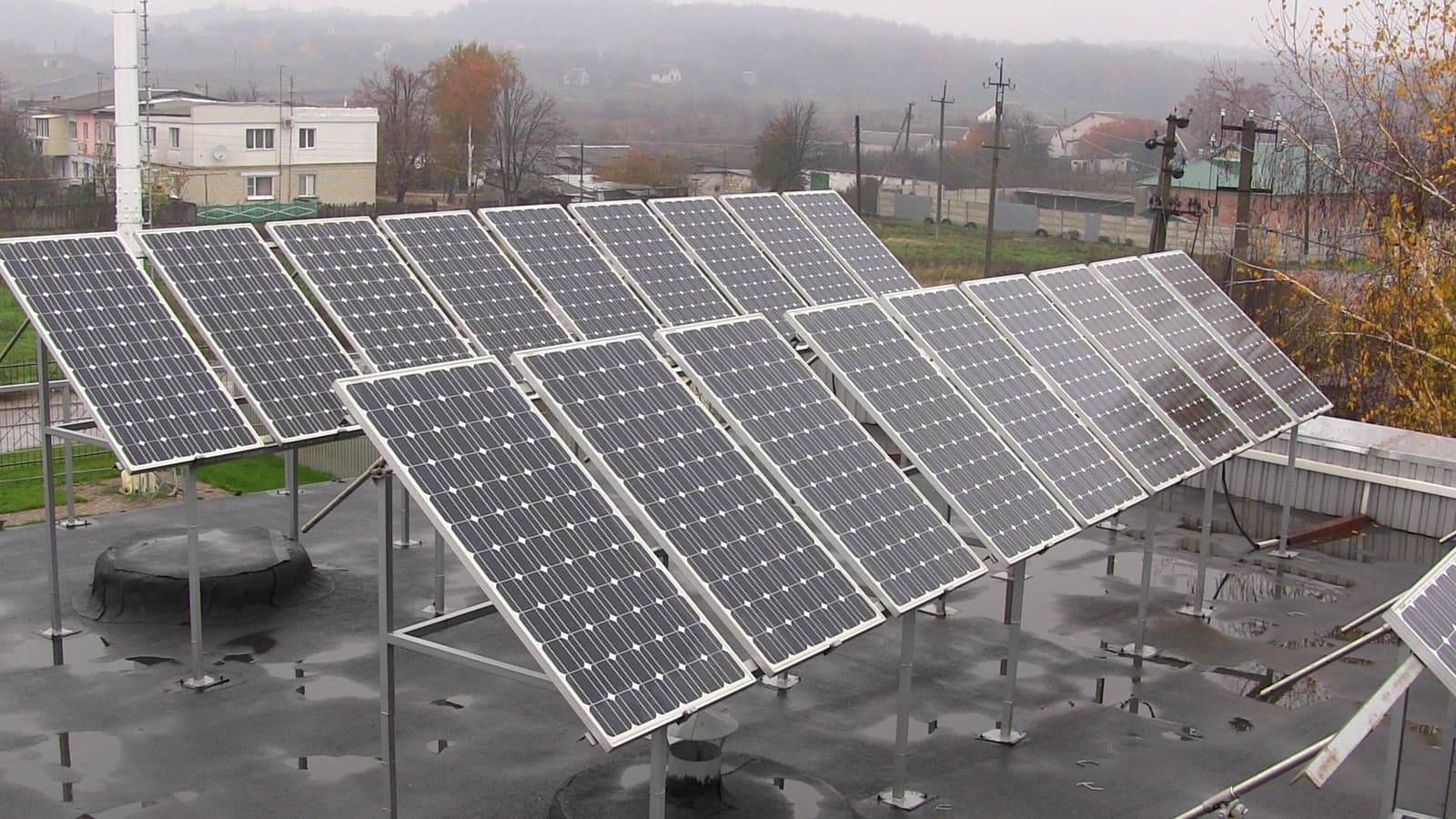
India’s seasonal spike in household power use is pushing interest in small solar inverters and batteries, with consumer buyers looking for a way to cut grid consumption while keeping lights on during outages.
India households buy solar inverters for winter outages
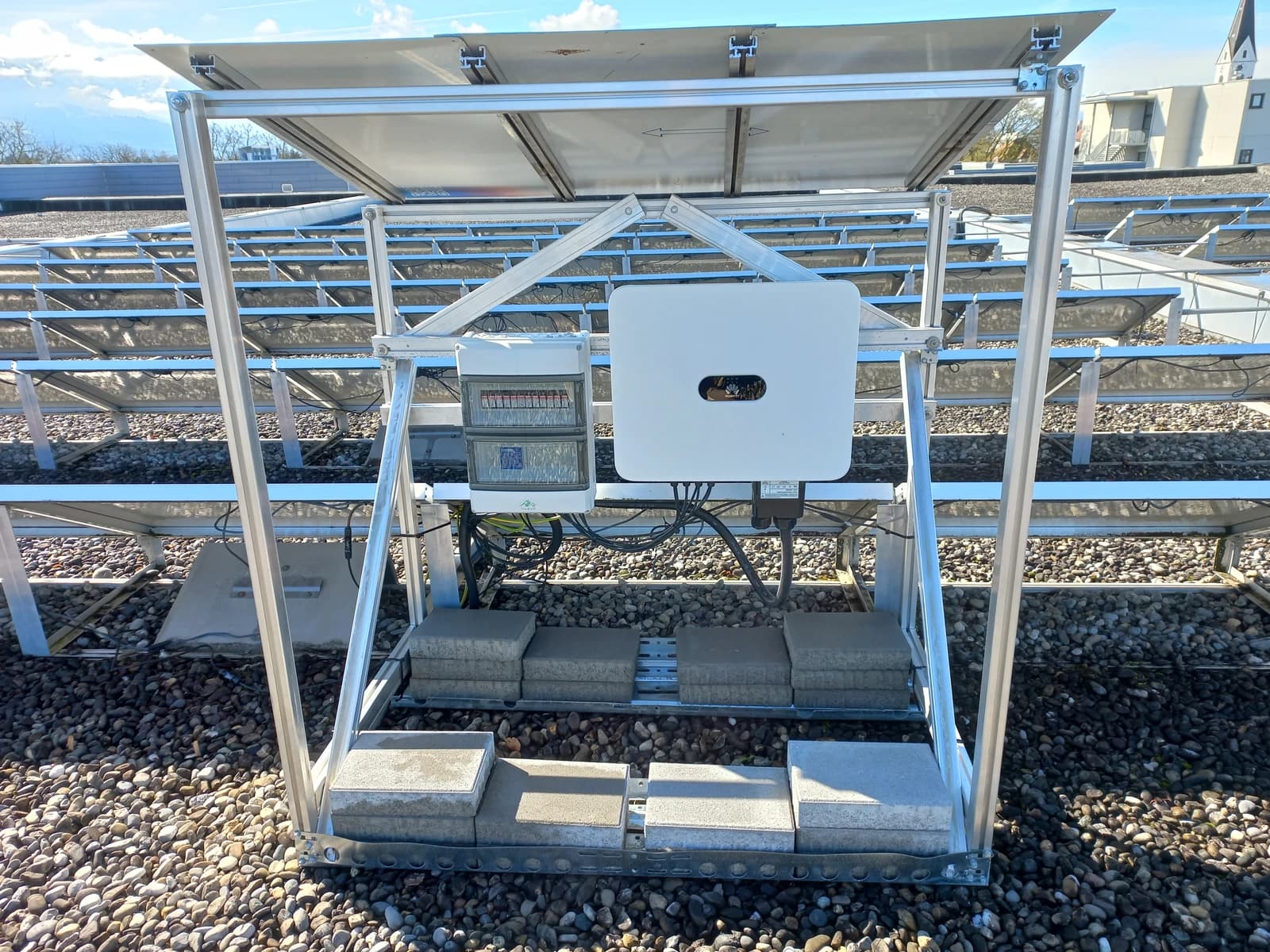
The appeal is straightforward: winter brings longer nights, heaters, geysers and more hours indoors, all of which can lift electricity bills just as many households also face periodic power cuts. A solar inverter helps on both counts by charging a battery from daytime sunlight and using that stored power at night, reducing what a home draws from the grid.
Sentiment IndicatorsⓘProprietary · adalytica.com · October 17, 2026
This is a snapshot — live sentiment, awareness and momentum for 130+ markets update continuously in the dashboard.Open AlphaPulse
That math is what is driving the buying case. Luminous says its NXG 850e can save about 1.5 units of electricity a day, or roughly Rs. 360 a month at Rs. 8 a unit, before factoring in backup benefits. In a market where under-Rs. 5,500 systems are being pitched on Amazon and higher-capacity kits are still priced well below large rooftop installations, the products are being sold less as green luxury and more as practical bill hedges.
The product mix also shows how the market is segmenting. Entry-level buyers can pick up the Luminous NXG 850e, a 500VA off-grid inverter for one 12V battery, while households that want stronger charging performance on weak winter days may be drawn to the EAPRO TRON-1500 PCU, which combines inverter and charge controller and uses dual MPPT with AI optimisation. For buyers who want to avoid water top-ups and battery maintenance, Lento’s 1100VA lithium inverter bundles a LiFePO4 battery, but at more than Rs. 32,500 it targets a different household entirely.
The broader economic point is that solar is increasingly being sold around resilience, not just clean power. The listing notes that solar panels still generate in winter because they rely on daylight, not heat, though shorter days and fog or smog reduce output. That is why efficiency hardware such as MPPT controllers matters: in weak light, every incremental watt helps. For consumers, that translates into a smaller grid bill and better outage protection. For vendors, it means demand is being shaped by utility costs, reliability concerns and financing promotions rather than by subsidy economics alone.
That last point matters because the products highlighted here are battery-based setups, which do not fit the PM Surya Ghar subsidy that applies to registered grid-connected systems. In practice, that leaves the retail market to compete on price, ratings, bank offers and installation convenience. It also means adoption may be strongest among middle-income households that want immediate savings and backup without committing to a full rooftop solar project.
For investors, the story reinforces a split in the solar value chain. Consumer-facing inverter and battery brands can benefit from seasonal buying and the steady replacement cycle for backup systems, while utility-scale solar names are more exposed to policy shifts, incentive risk and uneven demand trends. The latest market backdrop is also less enthusiastic than earlier in the year: a slowdown in solar demand and softer production growth suggests suppliers may need to recalibrate inventory and pricing.
Enphase, SolarEdge and First Solar have all seen sharp stock swings this year, reflecting that broader uncertainty. But the retail inverter message from India is simpler: when power bills rise and outages remain a fact of life, inexpensive solar backup becomes a household necessity, not an optional upgrade. That should support demand for compact inverters and solar batteries even if broader solar sentiment cools.
| Entity | Gains | Losses |
|---|---|---|
| Indian households | ▲Lower bills, outage backup | ▼Upfront hardware cost |
| Solar inverter brands | ▲Seasonal retail demand | ▼Price competition |
| Grid electricity suppliers | ▲— | ▼Less household consumption |
| Utility-scale solar investors | ▲— | ▼Slower demand visibility |