Homeowners around Lisieux are leaning into low-cost heating retrofits and insulation fixes as winter approaches, a shift that could cut bills, lift demand for efficient HVAC gear and widen the gap between utility winners and legacy gas-heating sellers.
Lisieux Homeowners Boost Heating Retrofits
The economic significance is bigger than a few draught-proofing tips. With households under pressure from energy costs, even simple measures such as sealing windows, doors and cracks can trim heating demand without the upfront expense of a full system replacement. That matters because it slows the growth of gas consumption at the margin while pushing spending toward equipment and services that improve efficiency, from weatherization materials to affordable electric heaters and heat pumps.
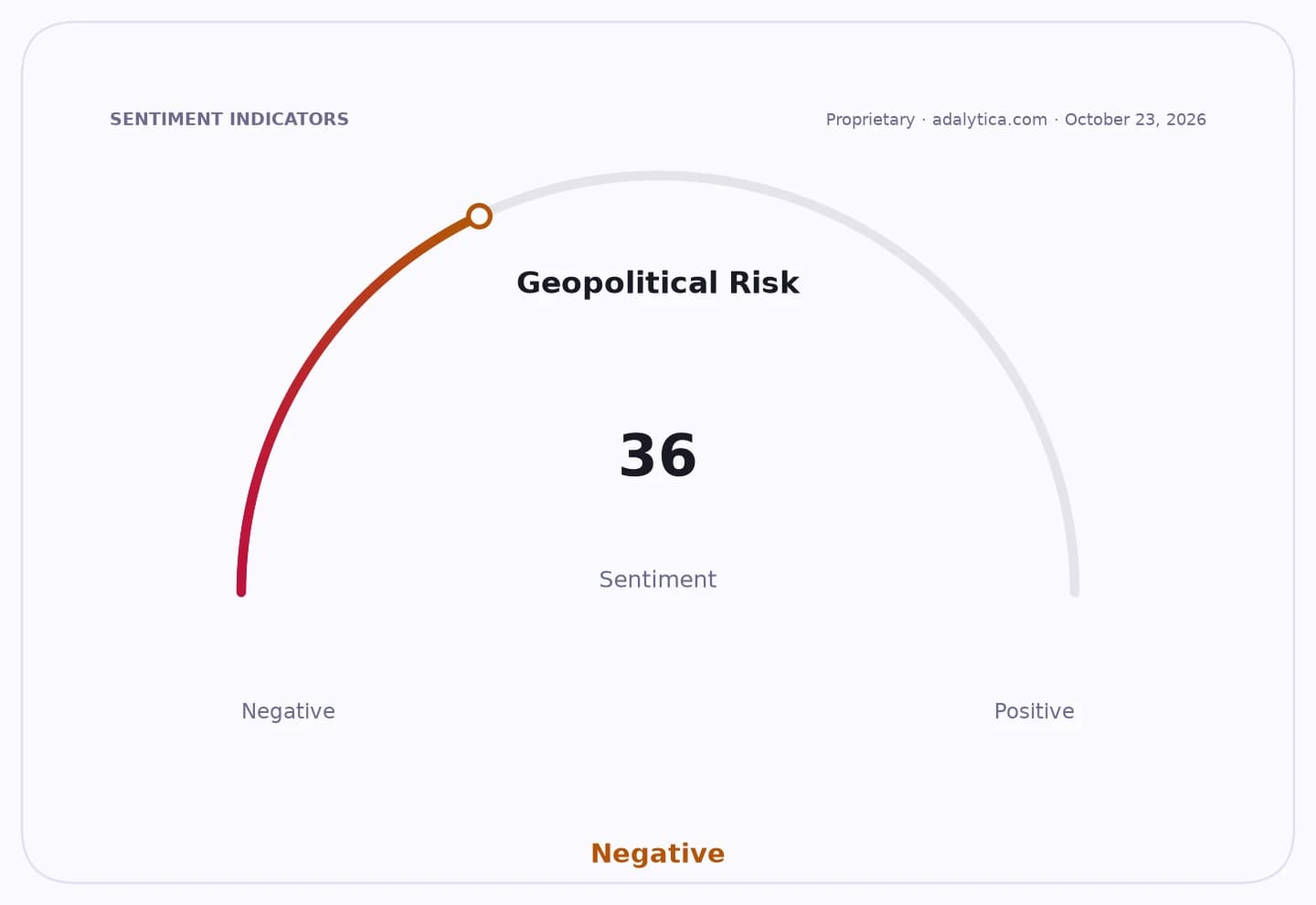
Sentiment IndicatorsⓘProprietary · adalytica.com · October 24, 2026
This is a snapshot — live sentiment, awareness and momentum for 130+ markets update continuously in the dashboard.Open AlphaPulse
That’s the kind of demand pattern investors should watch. In a higher-rate, higher-cost-of-living environment, consumers are not just replacing furnaces; they are triaging winter bills. The market tends to underprice this behavioral shift because it looks incremental, but over time it can reshape revenue pools across residential energy and climate-control markets. The beneficiaries are the companies selling efficiency, not fuel, and the evidence is starting to show up in the broader heating chain.
That backdrop also helps explain why utility and home-heating names have been moving differently. Edison International’s shares have climbed to $116.26, well above both its 50-day and 200-day moving averages, while New Jersey Resources has also pushed higher to $53.63 after trading near its 200-day average. The moves suggest investors are already positioning for a winter season where defensive income and regulated cash flows remain attractive even as consumers hunt for ways to use less energy.
From a technical standpoint, both stocks are flashing strength: ED is above its 50-day and 200-day moving averages with an RSI reading of 83.3, while NJR has reclaimed its 50-day average and its RSI has rebounded to 63.8. Xcel Energy is also trading at 78.90, near the upper end of its Bollinger Band range, while its RSI of 84.3 points to extended momentum. That does not tell you which company wins the heating-efficiency trade, but it does show where capital is clustering as winter demand and energy affordability become more important.
The deeper investment story is that Europe-style frugality on home heating is spreading into broader consumer behavior. If households around Lisieux and beyond keep choosing cheap insulation, sealants and portable electric heat over more expensive fuel use, the second-order winners are the makers of HVAC equipment, water heaters, building efficiency products and grid infrastructure. The losers are fuel volumes, older gas-heating economics and anyone relying on colder weather to drive more consumption rather than less waste.
For investors, the play is to favor the picks-and-shovels of efficiency over the commodity exposure of the old heating model. The next catalyst is the first real cold snap, when lower bills and faster retrofit payback become visible in consumer demand, utility load patterns and margins across the home-comfort supply chain.
| Entity | Gains | Losses |
|---|---|---|
| Homeowners | ▲Lower heating bills | ▼Upfront retrofit costs |
| HVAC and efficiency suppliers | ▲Higher retrofit demand | ▼Legacy gas-heating sellers |
| Electric utilities | ▲More electrification demand | ▼Gas volume growth |
| Fuel retailers | ▲None | ▼Reduced winter consumption |