Ontario households and small businesses will pay less for power this winter, but the province is also trimming the rebate that has helped blunt electricity bills for years — a reminder that affordability support is being recalibrated, not expanded, as Ottawa and provincial governments juggle energy investment, inflation and political pressure.
Ontario electricity rebate cut as winter rates fall
The Ontario Energy Board said the Ontario Electricity Rebate will fall to 15.7% from 23.5% on Nov. 1, cutting the typical monthly discount for a household using 700 kilowatt hours to about C$23 from roughly C$36 a year ago. At the same time, the province is lowering winter time-of-use prices from Nov. 1 through April 30, 2027, with off-peak power set at 9.1 cents per kilowatt-hour, mid-peak at 14.6 cents and on-peak at 18.9 cents.
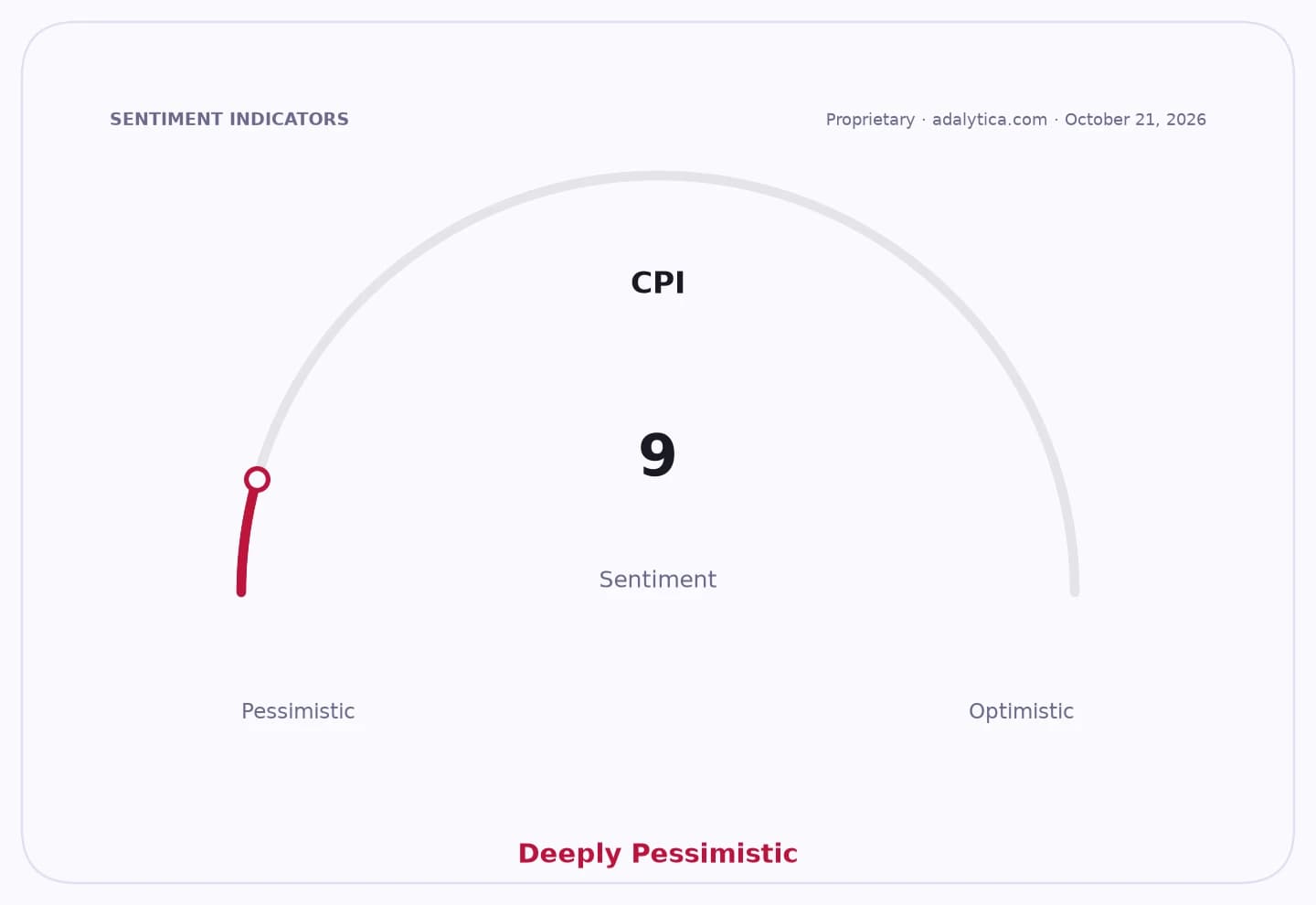
Sentiment IndicatorsⓘProprietary · adalytica.com · October 22, 2026
This is a snapshot — live sentiment, awareness and momentum for 130+ markets update continuously in the dashboard.Open AlphaPulse
For investors, the key point is that Ontario is trying to manage the politics of power costs while keeping the system affordable enough to support a massive buildout of generation and grid infrastructure. That matters because electricity prices shape consumer spending, business margins and the long-run economics of everything from housing to manufacturing. A province that can keep bills from rising too quickly has more room to attract investment; one that lets costs spiral risks slower growth and more pressure on ratepayers, taxpayers and politicians alike.
The Ford government and the OEB are framing the change as a result of lower regulated electricity prices year over year. The regulator said the overall rate of increase for customer bills will remain consistent with previous years, even after the rebate cut. That suggests the province is using the rebate as a flexible tool rather than a permanent subsidy, adjusting support as base electricity costs move.
Still, the optics are not great for a government that has made affordability one of its defining messages. The average residential customer will still save nearly C$275 a year through the rebate, according to the province, but that is down from a larger benefit last year. For households, the combination of a smaller rebate and lower winter rates may offset part of the pain, but not all of it. For small businesses and farms, which also receive the rebate, lower power costs help, but the reduction in support will still be felt in monthly cash flow.
The broader narrative is about how Ontario pays for its energy future. The province says it is pursuing “the largest energy buildout in a generation,” including competitive procurements and new clean-energy investment. Critics argue that leaning too heavily on nuclear projects and small modular reactors could lock in higher costs later, especially if cheaper options such as wind, solar and batteries are left on the sidelines. That debate matters because the cheapest source of new power often becomes the most important driver of future bills.
Investors should view this as a policy signal rather than a market shock. Utilities, grid operators and energy developers care most about the long-term mix of supply, regulation and allowed returns. Households care about monthly bills. Ontario is trying to satisfy both, but the trade-off is obvious: keeping power affordable today while funding a bigger system for tomorrow.
For now, the message is that Ontario electricity costs are easing at the margin, even as the province pares back one of its best-known consumer rebates. That keeps the affordability story intact for the near term, but it also shows that relief is becoming more selective. Long-term investors should keep watching how the province balances ratepayer support against its multi-year energy buildout, because that is where the real cost story will be decided.
| Entity | Gains | Losses |
|---|---|---|
| Ontario households | ▲Lower winter power rates | ▼Smaller rebate check |
| Small businesses and farms | ▲Some bill relief remains | ▼Less subsidy support |
| Ontario government | ▲Flexibility on energy policy | ▼Affordability criticism |
| Utilities and grid investors | ▲Longer-term buildout support | ▼More scrutiny on costs |